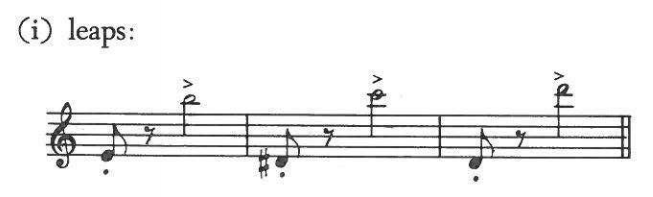
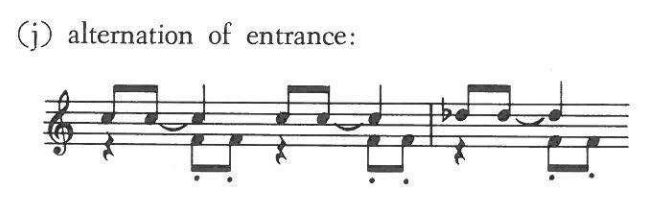
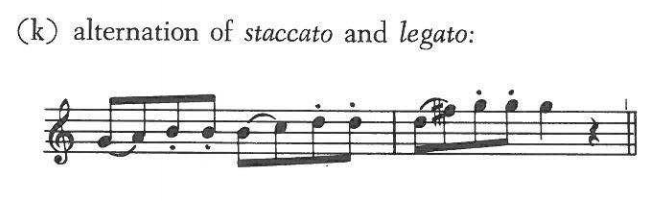
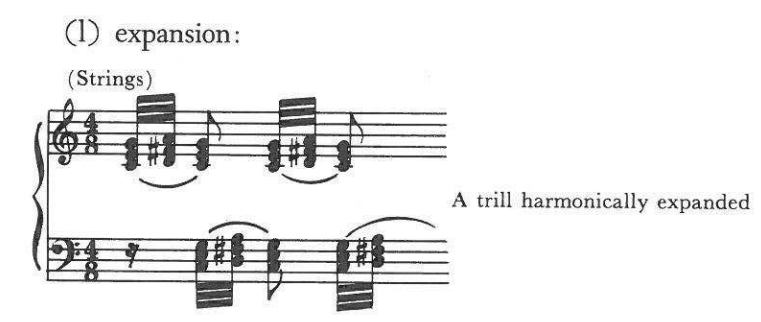
Do not take the supposed incapabilities of players and instruments too seriously. Challenge players with stimulating musical designs. Not all the instruments can play melody or long sustained tones, but all of them can be set into subtle or dramatic motion, and most players will respond with enthusiasm when given something to play which is alive and original in its motor action. Such "liveliness" is more a matter of imaginative pattern than of mere elaboration and complexity. Effective design should be the aim. Although vigor of motion and adroit rapidity will always stir a response, do not depend too much upon them. Simplicity and repose are also tonal virtues.
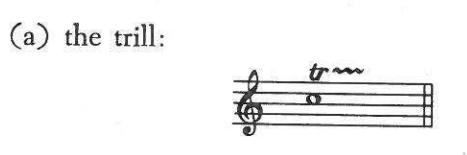
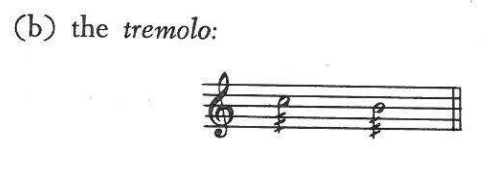
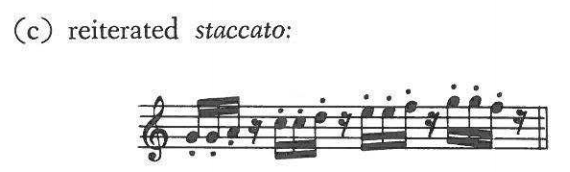
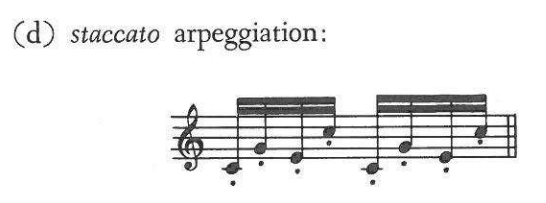
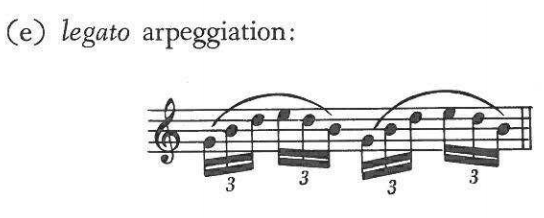
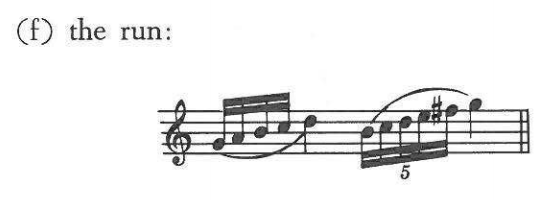
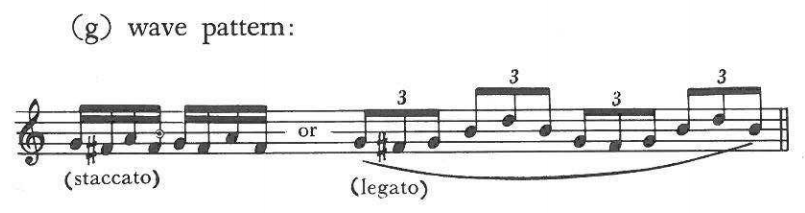
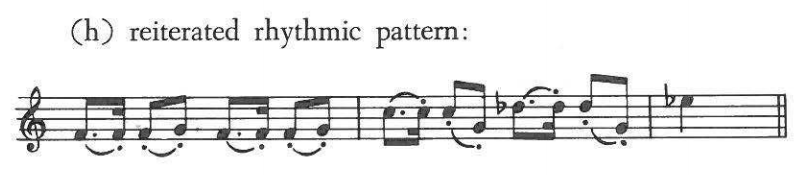
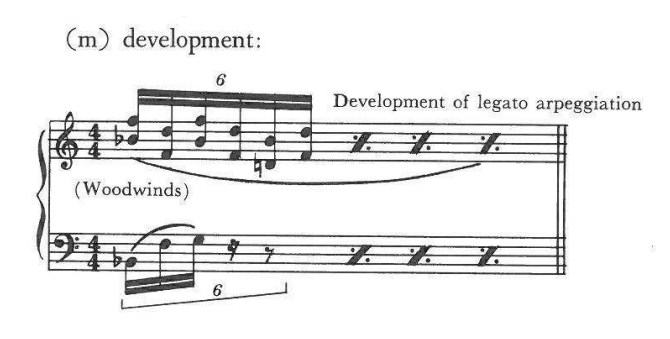
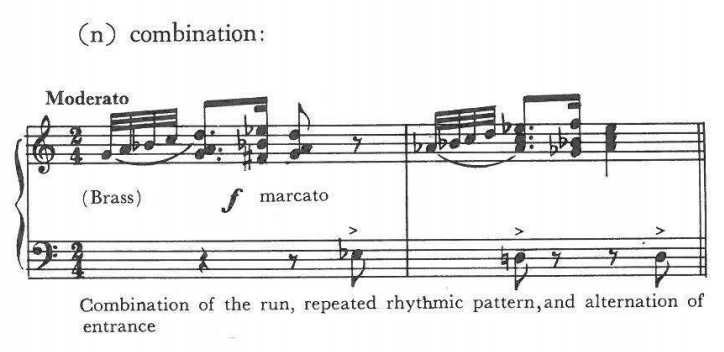
Basic types of instrumental motion are illustrated in the following examples. The expansion, development and combination of these elements will furnish an inexhaustible resource for the creation of orchestral patterns.
Much of the glamor and individuality of the music of outstanding orchestrators comes from invention of patterns which seem fresh and attractive but which are derived from types of motion that are natural and typical. Fully developed knowledge in orchestral techniques requires much experience. Study various orchestral scores to see how the elements of design have been transformed into new and original patterns. Take advantage of every possible opportunity to hear orchestral music in rehearsal. Analyze the relation of instrumental motion to listening experience, and whenever possible discuss, with players, orchestral parts you have written for them. To know, experience; to learn, do.
 Playable Books