Playable Books
George Frederick McKay · section 59 of 111
Project 14
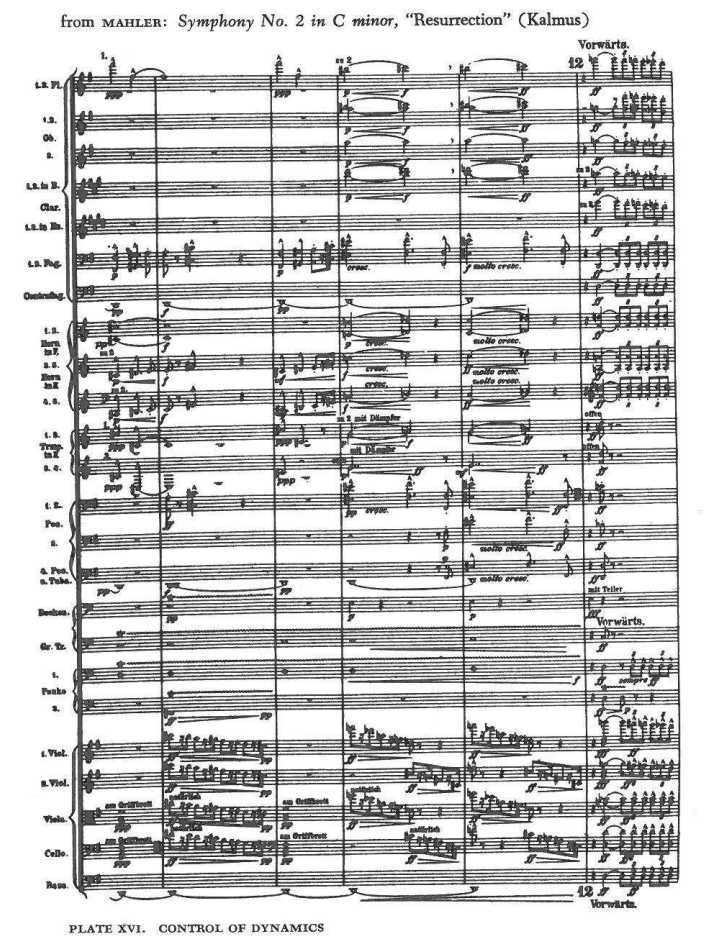
Read and hear this section in the playable edition →Experiment with control of dynamics by writing exercises especially planned to test the comparative power of the various instruments and the effect of dynamic marking on their balance. It is not necessary to write for the complete ensemble. A simple unison of two tones, an interval played by two instruments, or a chord played over and over with different indications, are perfectly suited to experiments in control of dynamics.
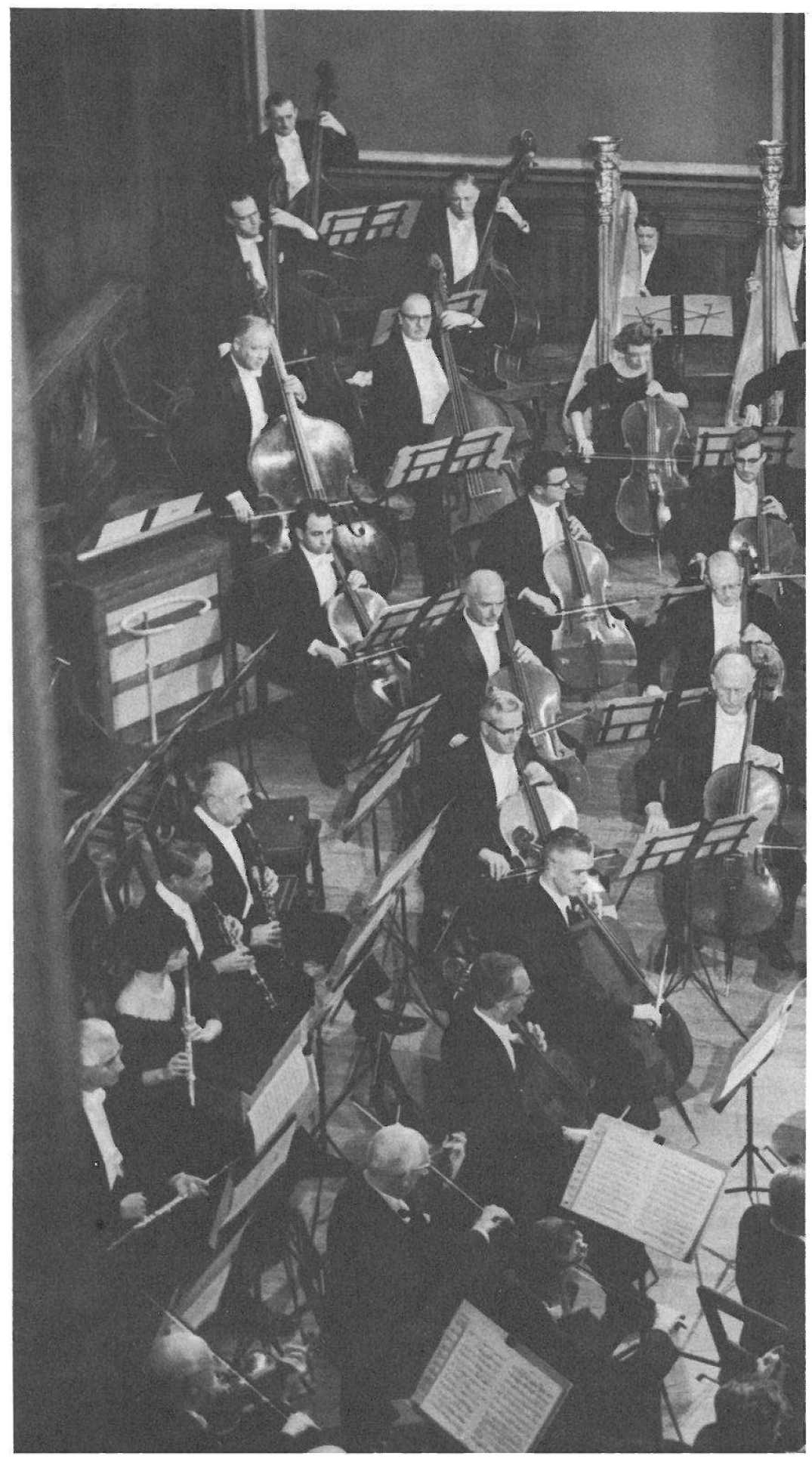
While attending orchestral concerts pay particular attention to the sound of the orchestra in relation to the dynamics. If the conductor has balanced the dynamics in rehearsal, the music will be clear (provided it has been well written) and no design elements will be obscured. If, on the other hand, the design seems obscure and blurred, there has been either insufficient balancing of dynamics in rehearsal, or lack of sufficient dynamic indications in the score.
Thus far in illustrating the principles of clarity, much potentially elaborate procedure has been expounded, but it must be emphasized that simplicity and directness are among the most desirable goals. It is particularly true of the large orchestra that a certain "epic" solidity and foundational resonance are necessary for good sound. This desirable strength and solidity can easily be lost when there is too much "fussiness" of design. In a long and elaborate composition the most wonderful moment may well be some particularly luminous sound or strong simple design. A page of score sounds twice as elaborate as it looks.
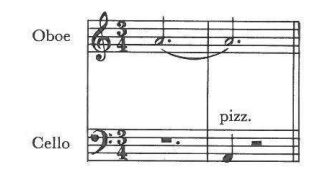
Experience will prove that there is a mysteriously creative effectiveness in inspired simple design — a kind of strength that no elaboration can equal. One of the surprises that should come early to the aspiring composer is the discovery that any characteristic instrumental timbre, if sounded in effective register and in clear design, will seem satisfying and mysteriously vital. There is a natural allurement conjured up by a skillfully produced tone. Nothing is more evocative, for example, than a simple oboe tone sustained in middle register. Add a touch of pizzicato and a natural attractiveness has been created!
The survey of principles of clarity has now been completed. It is hoped that, as the result of exercises done thus far, clarity of design has become a natural and continuing outgrowth of musical thought.