Playable Books
Max Reger · section 7 of 7
From a♯-minor
Read and hear this section in the playable edition →95) B♭-major (b♭-minor)
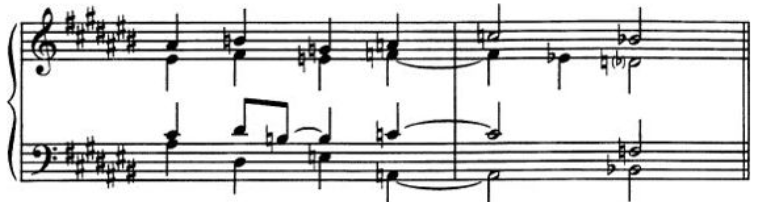
Tonic a♯-minor; chord of the Neapolitan sixth (d♯ f♯ b) in a♯-minor; use this chord of the sixth (d♯ f♯ b), which is at the same time the 1st inversion of the dominant (B-major) of e-minor; tonic e-minor; chord of the Neapolitan sixth (a c f), in e-minor; use this chord of the sixth (a c f), which is also the 1st inversion of the dominant (F-major) of B♭-major (b♭-minor).

96) E♭-major (e♭-minor)
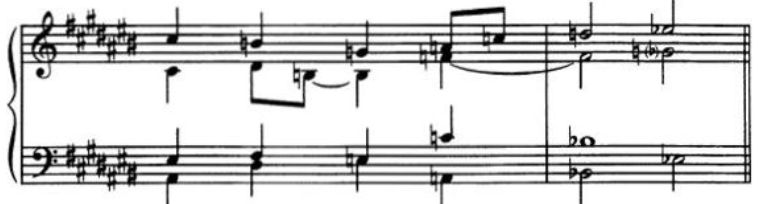
Tonic a♯-minor; chord of the Neapolitan sixth (d♯ f♯ b) in a♯-minor; use this chord of the sixth, which is at the same time the 1st inversion of the dominant (B-major) of e-minor; tonic e-minor; chord of the Neapolitan sixth (a c f), in e-minor; use this chord of the sixth, which is also the 1st inversion of the 2nd super-dominant (F-major) of E♭-major (e♭-minor); dominant (B♭-major) of E♭-major (e♭-minor).


97) A♭-major (a♭-minor)
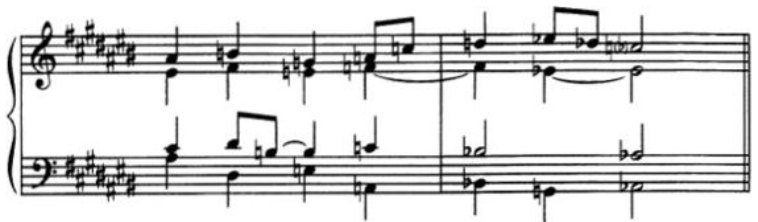
Tonic a♯-minor; chord of the Neapolitan sixth (d♯ f♯ b), in a♯-minor; use this chord of the sixth (d♯ f♯ b), which is at the same time the 1st inversion of the dominant (B-major) of e-minor; tonic e-minor; chord of the Neapolitan sixth (a c f) in e-minor; use this chord of the sixth (a c f) which is at the same time the 1st inversion of the dominant (F-major) in B♭-major; tonic B♭-major; use this B♭-major, which is also 2nd super-dominant in A♭-major (a♭-minor); dominant (E♭-major); tonic A♭-major (a♭-minor).

98) D♭-major (d♭-minor)
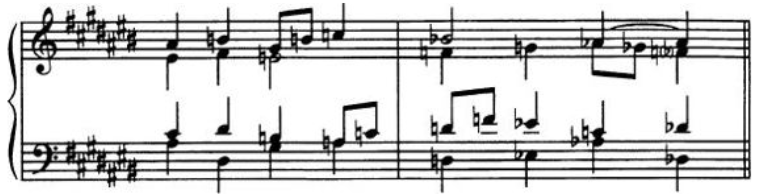
Tonic a♯-minor; chord of the Neapolitan sixth (d♯ f♯ b) in a♯-minor; use this chord of sixth (d♯ f♯ b), which is at the same time the 1st inversion of the dominant (B-major) of E-major; tonic E-major; minor sub-dominant (a-minor) of E-major; use this a-minor as tonic; chord of the Neapolitan sixth (d f b♭) in a-minor; use this chord of the sixth (d f b♭), as it is also the 1st inversion of the 2nd super-dominant (B♭-major) of A♭-major; dominant E♭-major; tonic A♭-major; use this A♭-major, which is also the dominant of D♭-major (d♭-minor); dominant (A♭-major [with 7♭]) of D♭-major (d♭-minor), tonic D♭-major (d♭-minor).

99) G♭-major (g♭-minor)
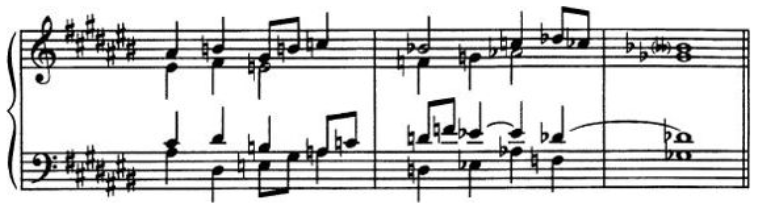
Tonic a♯-minor; chord of the Neapolitan sixth, (d♯ f♯ b), in a♭-minor; use this chord of the sixth (d♯ f♯ b), which is at the same time the 1st inversion of the dominant (B-major) of E-major; tonic E-major; use this E-major, which is also dominant in a-minor; tonic a-minor; chord of the Neapolitan sixth (d f b♭), in a-minor; use this chord of the sixth (d f b♭), which is also the 1st inversion of the 2nd super-dominant (B♭-major) of A♭-major; dominant (E♭-major) of A♭-major; use this A♭-major, which is at the same time the 2nd super-dominant in G♭-major (g♭-minor); dominant D♭-major; tonic G♭-major (g♭-minor).

100) C♭-major (c♭-minor)
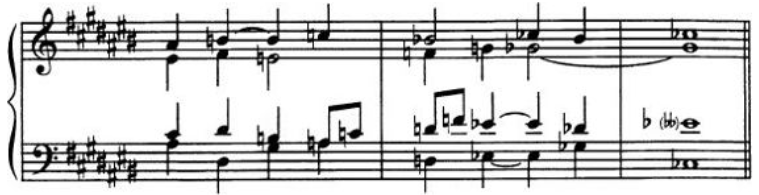
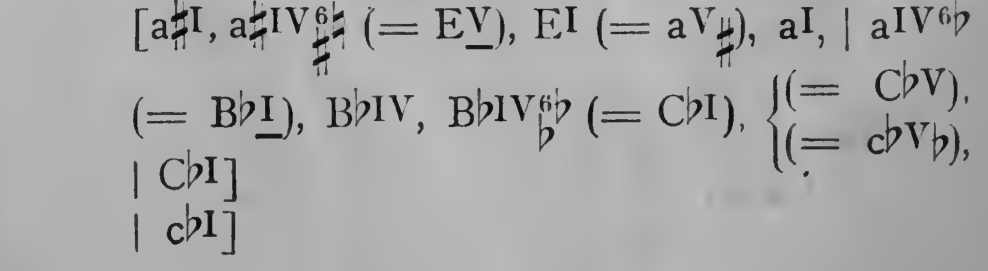
Tonic a♯-minor; chord of the Neapolitan sixth (d♯ f♯ b) in a♯-minor; use this chord of the sixth (d♯ f♯ b), which is at the same time the 1st inversion of the dominant (B-major) of E-major; tonic E-major; use this E-major, which is also dominant in a-minor; tonic a-minor; chord of the Neapolitan sixth (d f b♭) in a-minor; use this chord of the sixth (d f b♭) which is also the 1st inversion of the tonic B♭-major (in B♭-major); sub-dominant (E♭-major) of B♭-major; chord of the Neapolitan sixth (e♭ g♭ c♭) in B♭-major; use this chord of the sixth (e♭ g♭ c♭), as it is at the same time the 1st inversion of the tonic C♭-major (in C♭-major); dominant G♭-major; tonic C♭-major (c♭-minor).