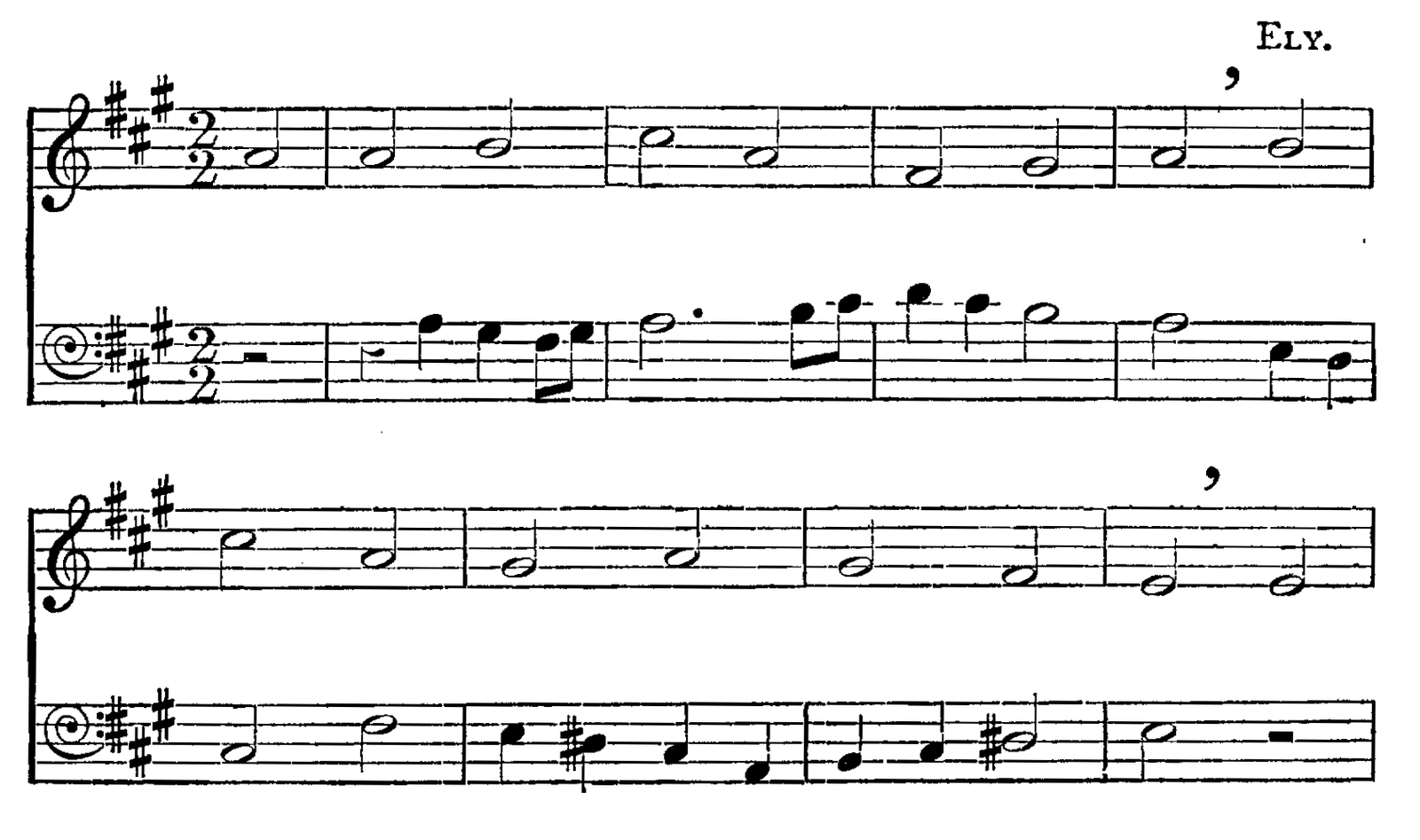
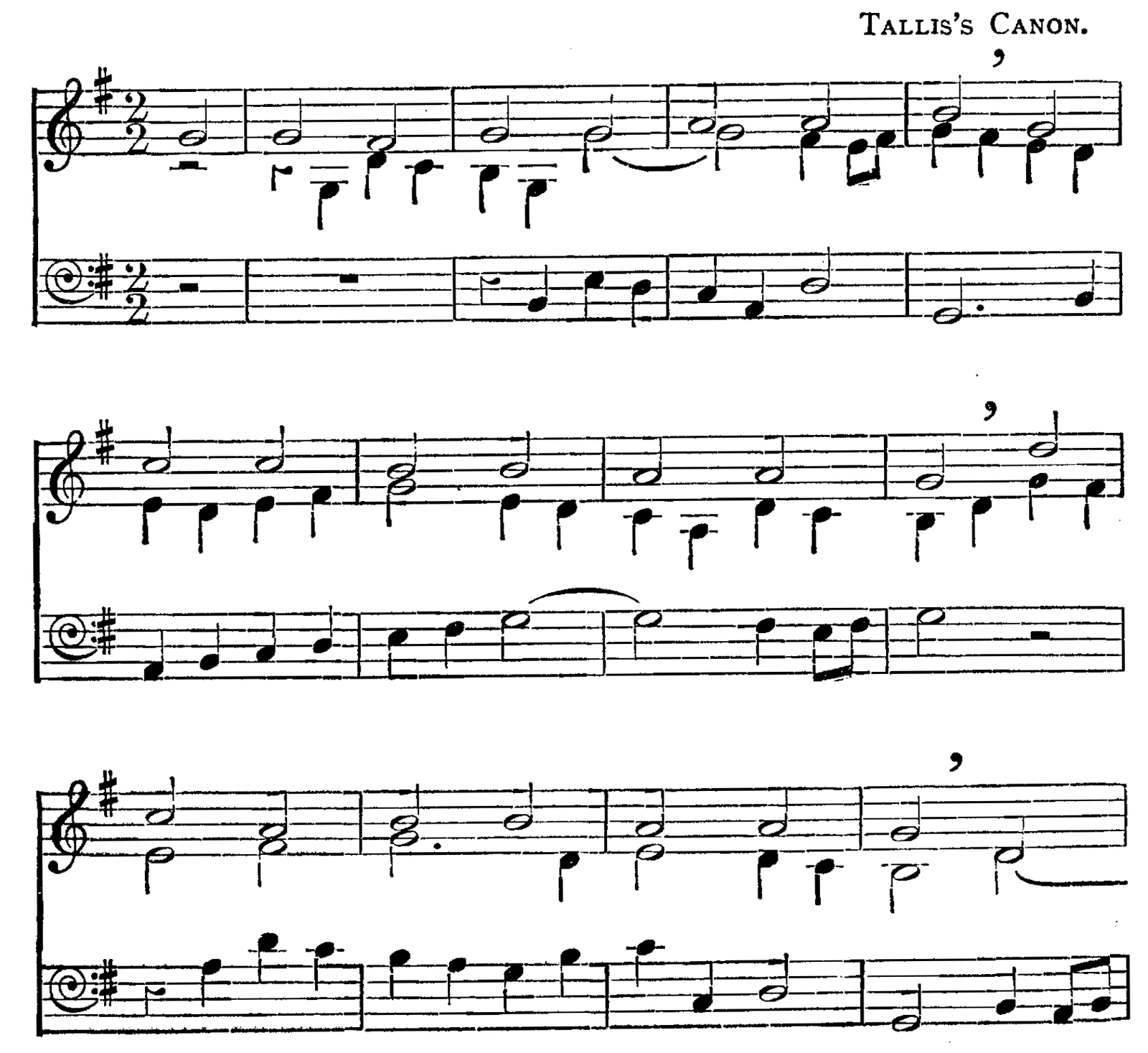
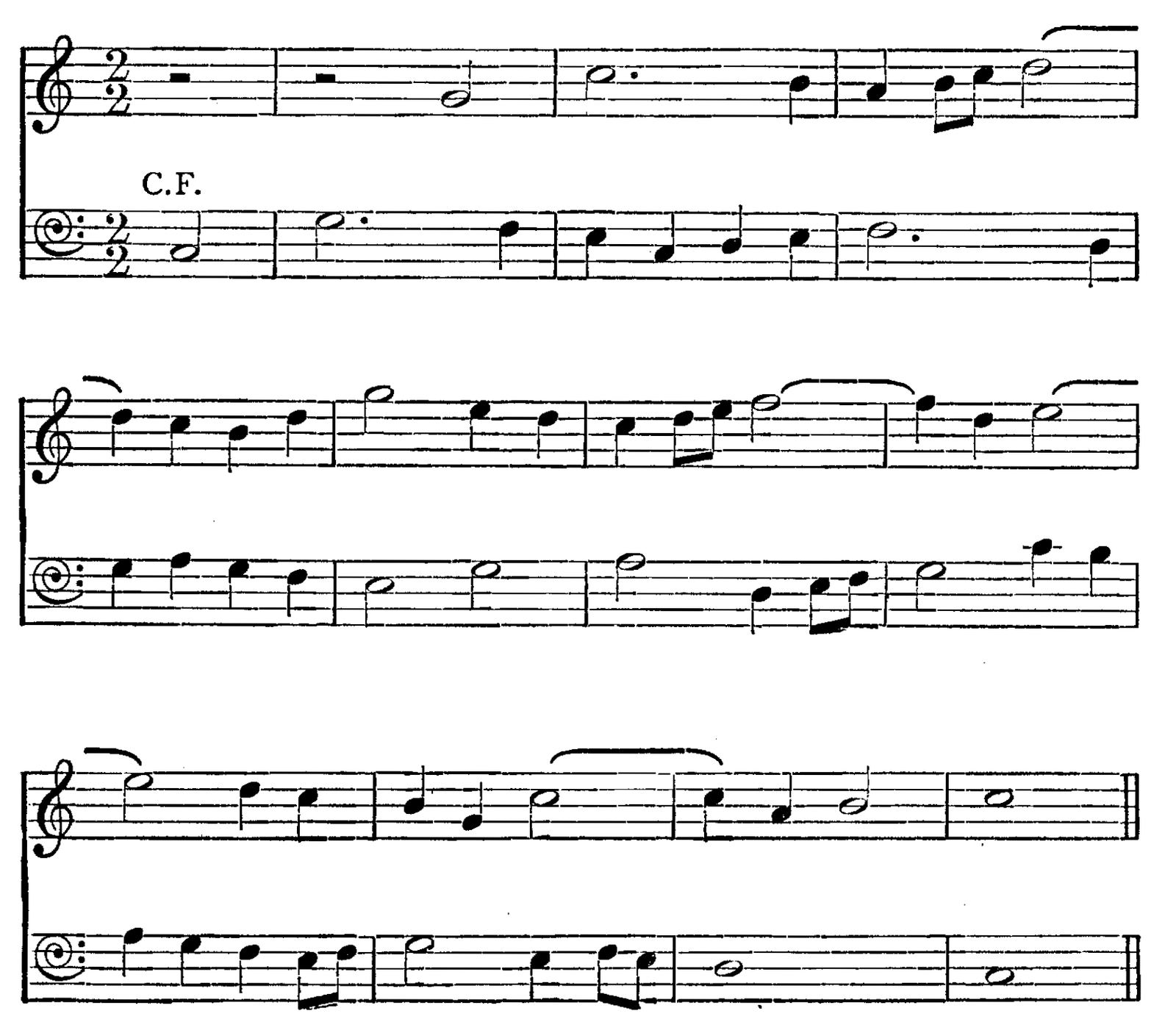
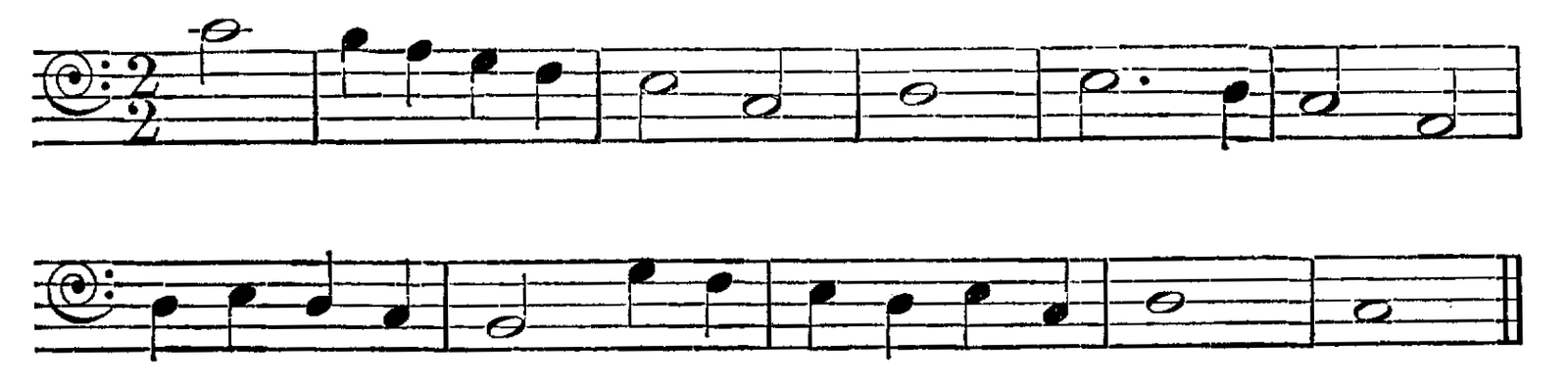
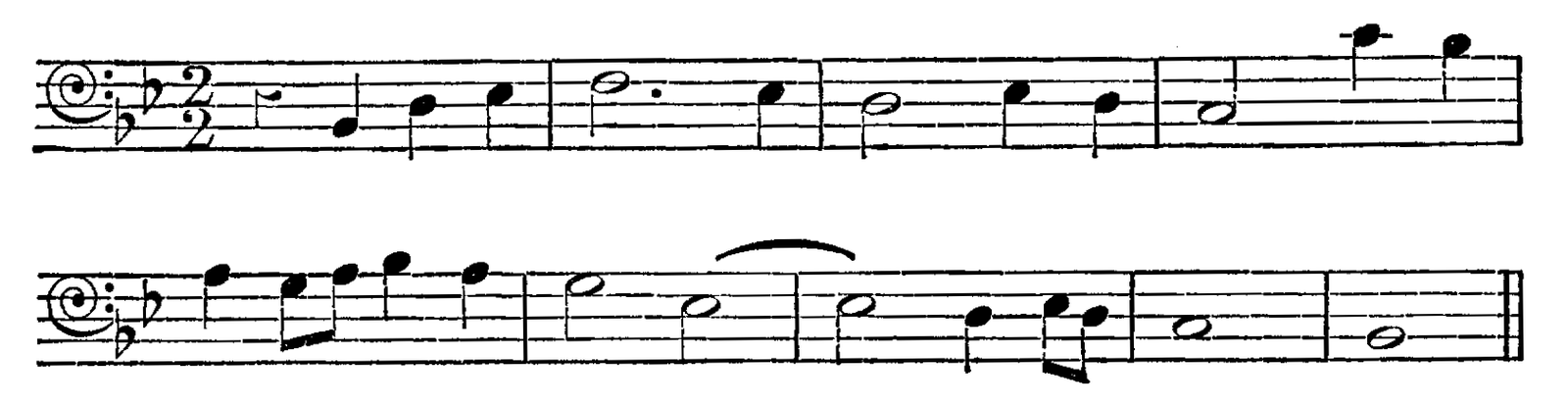
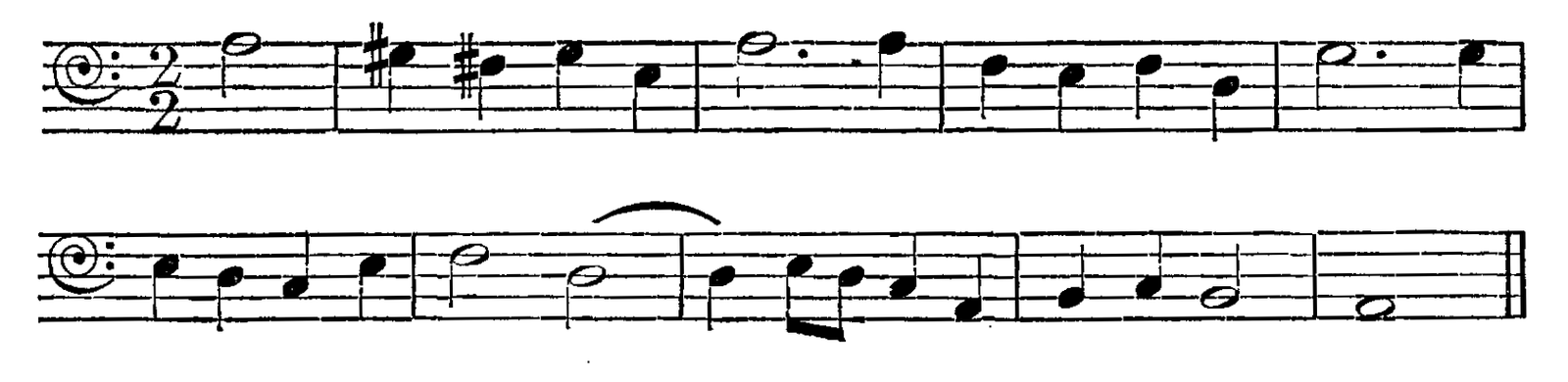
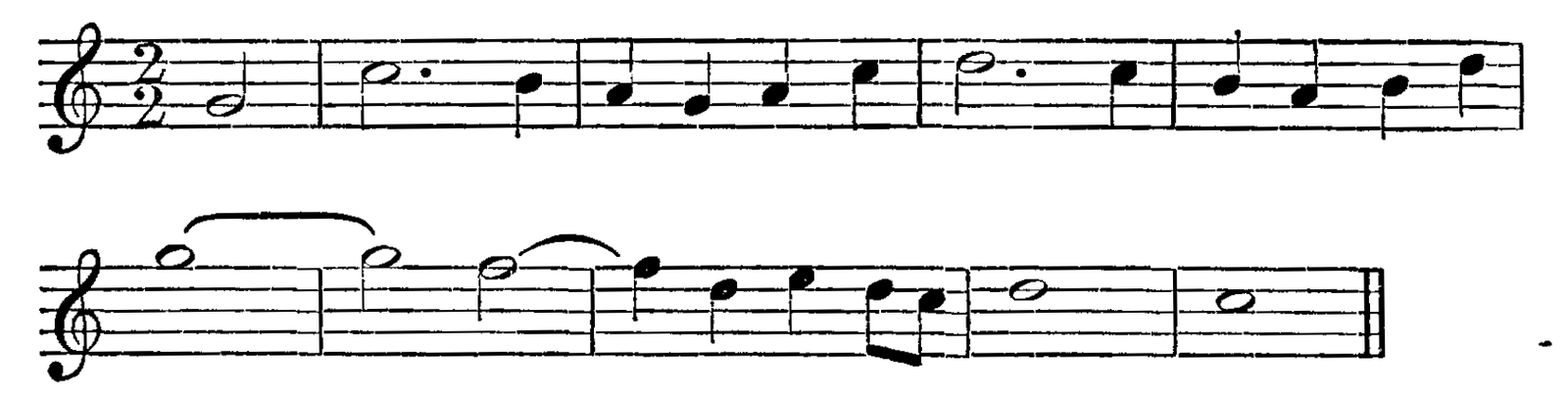
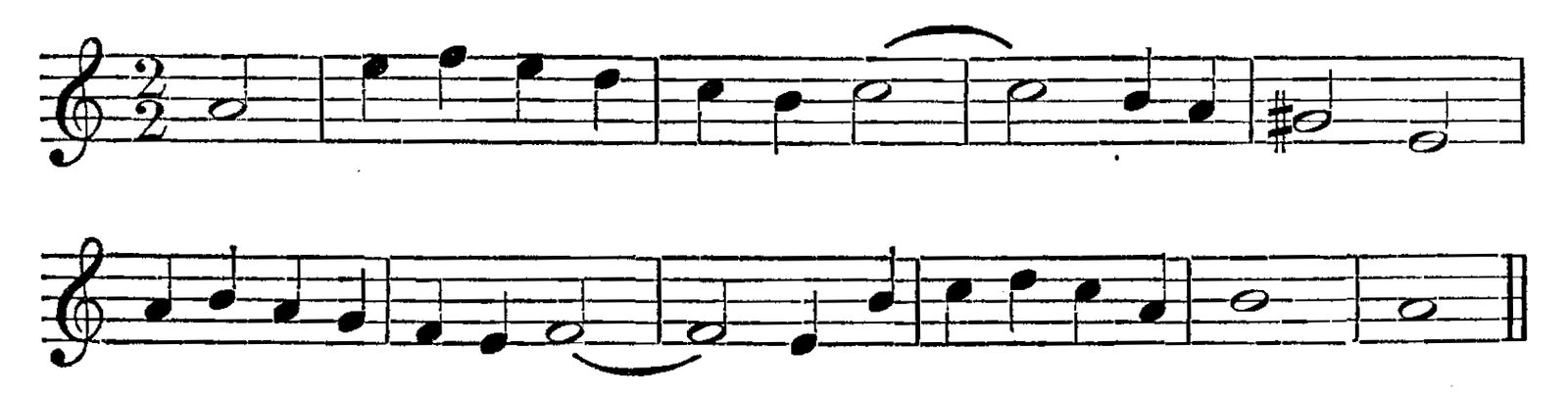
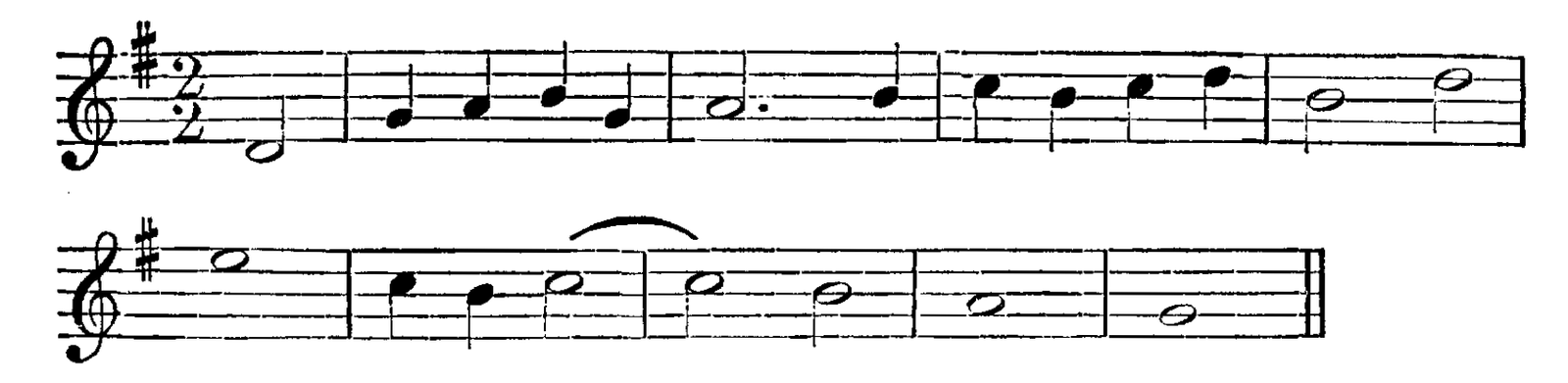
1. In this chapter the semibreve Canto Fermo is eliminated as a constant factor. But the parts are written just as if it was there, with the exception that when two different chords are used in a bar, they need not have a note in common.
2. The C. F. will be:
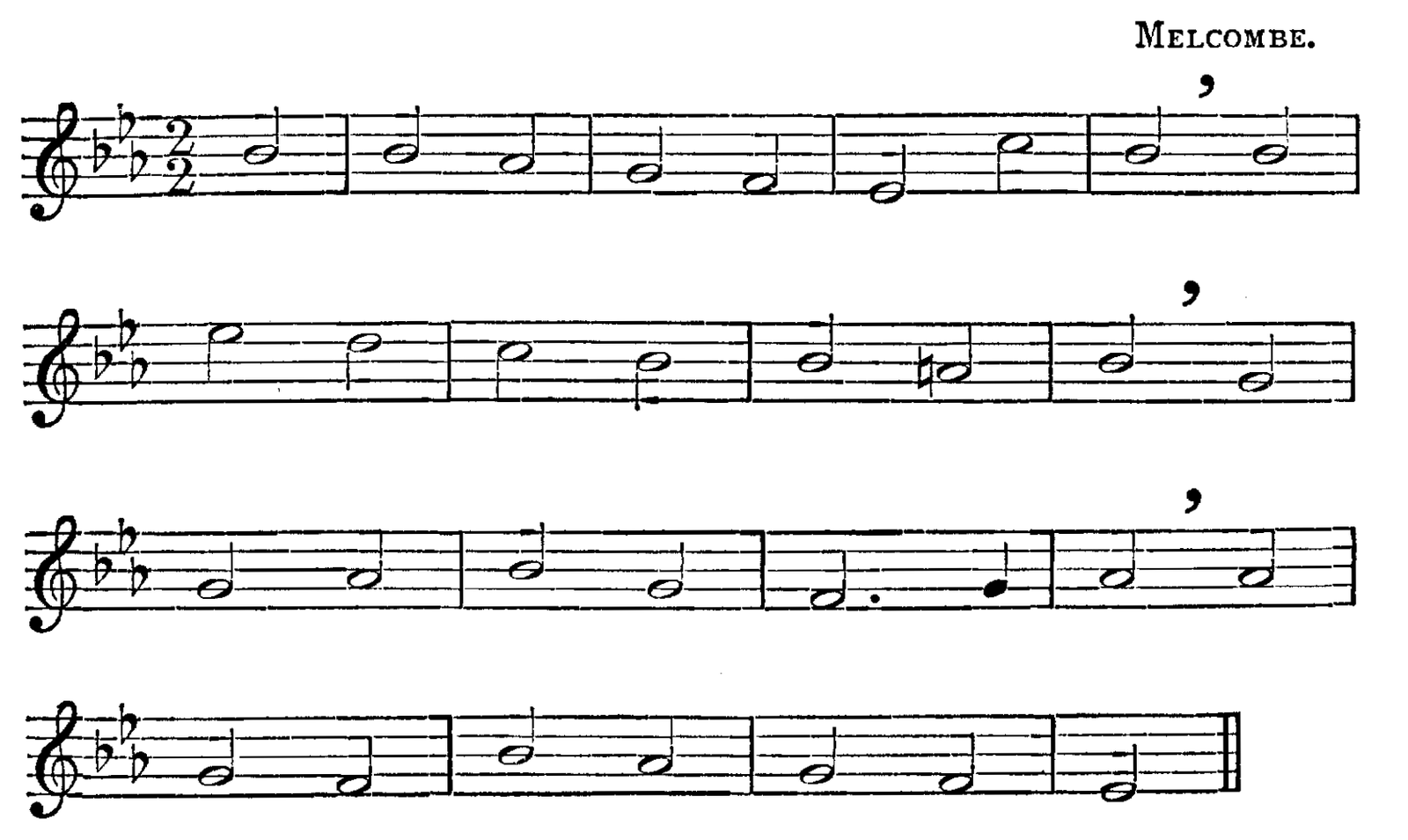
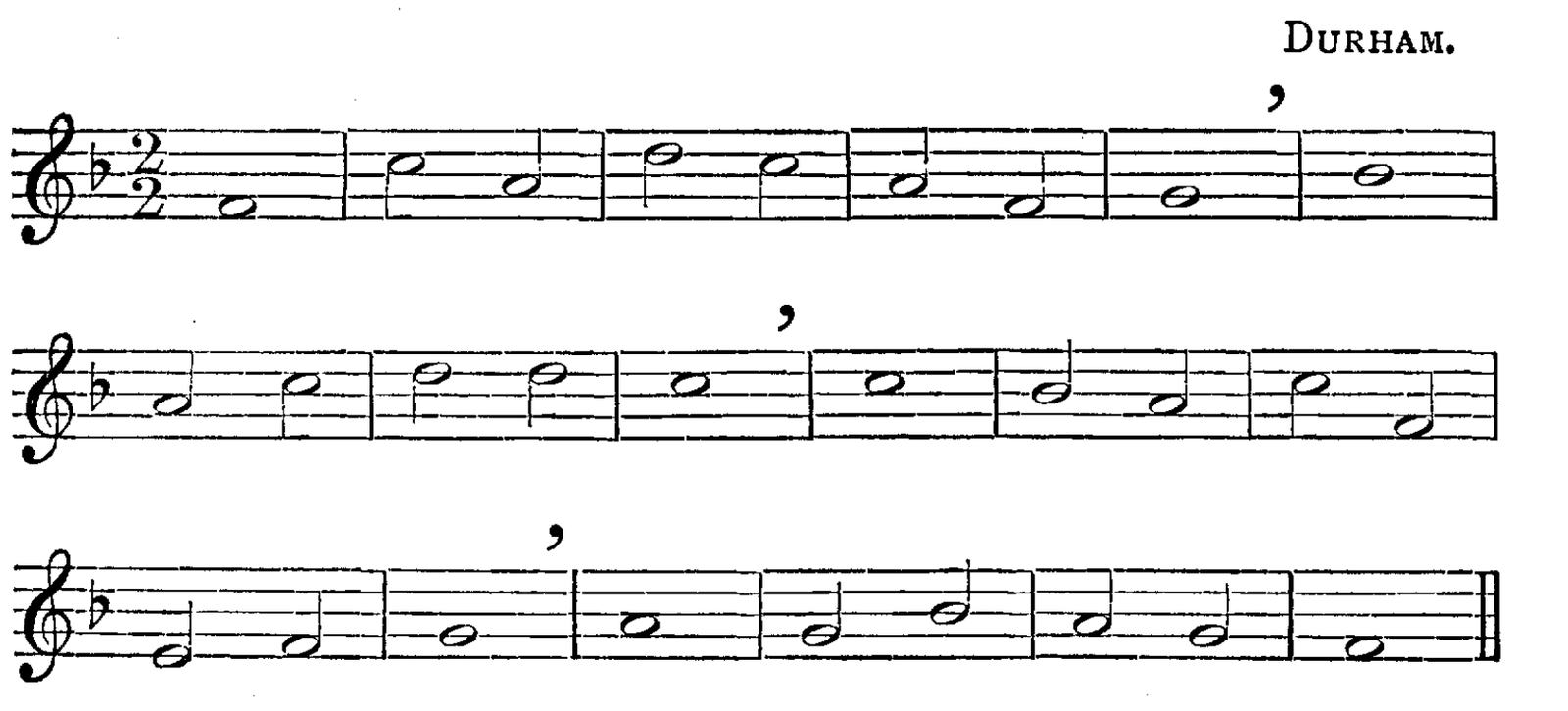
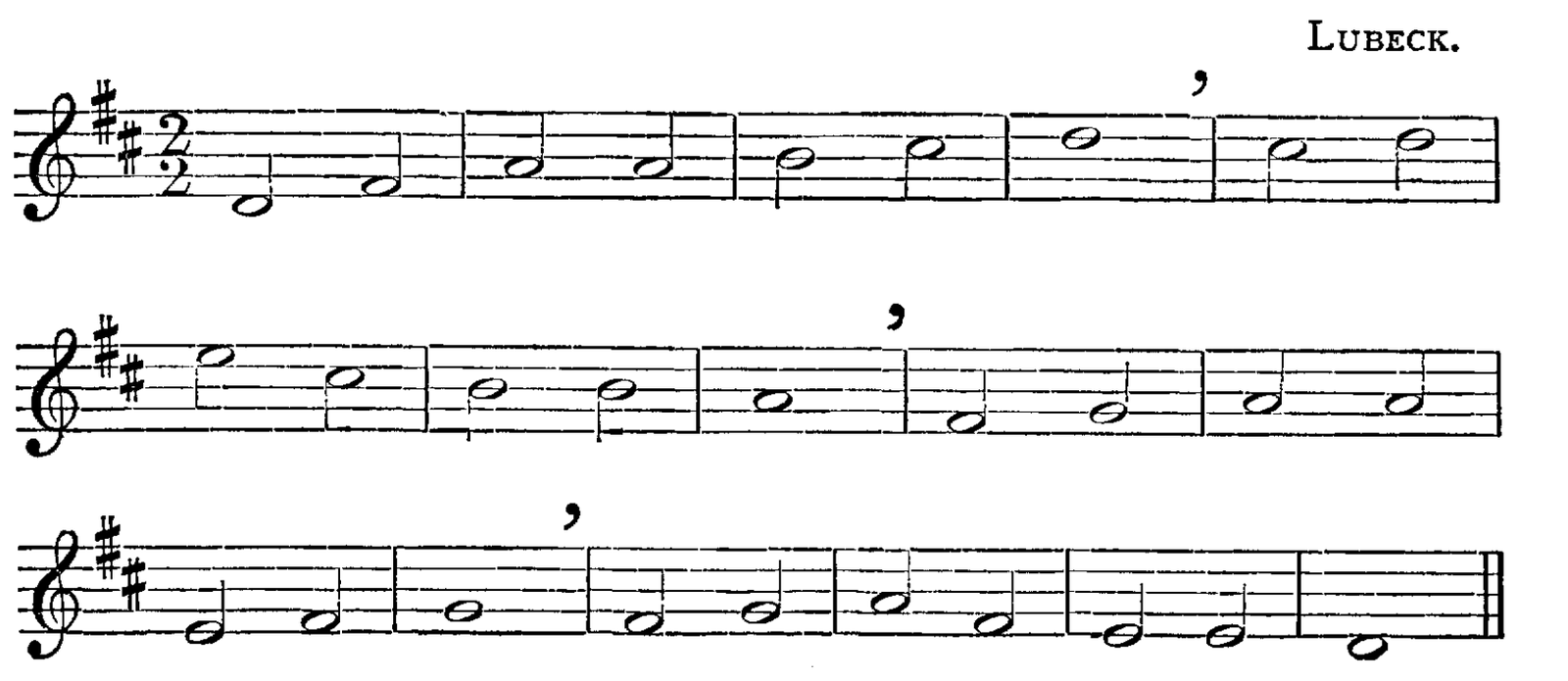
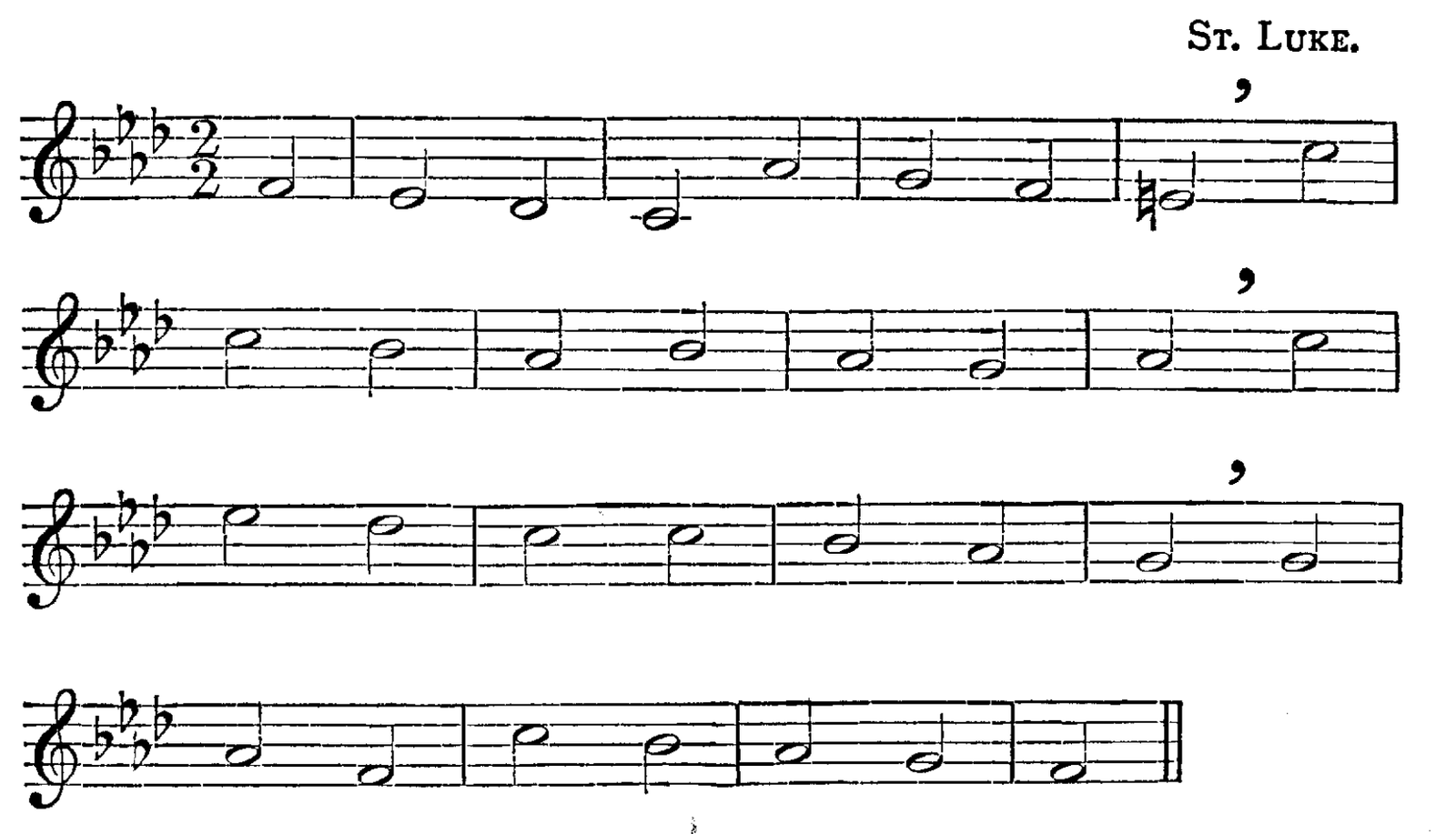
(a) A part in minims, or minims and semibreves, in the manner of a Chorale, to which one or more florid parts are to be added; or (b) a florid part to which one or more florid parts may be added.
3. In both cases a bar of 2/2 will be employed, and the procedures are the same as in a bar of technical work already studied. But for rhythmical purposes, minims may be repeated:
At (a) the repetition of the C is used in place of a tie, assuming a separate word or syllable necessary on the first minim. In such a case treat the repeated minim as a prepared discord.
At (b) the repetition of the minim marks off the phrasing. A single crotchet may repeat the same note as the previous dotted minim, or the following minim, as anticipation of resolution of discord:
At (a) C must be treated as a syncopated concord, else the resolution of it as a discord would occur at the wrong place. at (b) C can be a suspension.
4. When adding florid parts to a Chorale, the counterpoints should either imitate the phrases of the Chorale in some form of diminution, or use an independent figure. Rests should be used in order to re-introduce this figure. In elementary work an independent figure is recommended. For examples in which the C. F. is imitated in diminution see my Applied Strict Counterpoint.
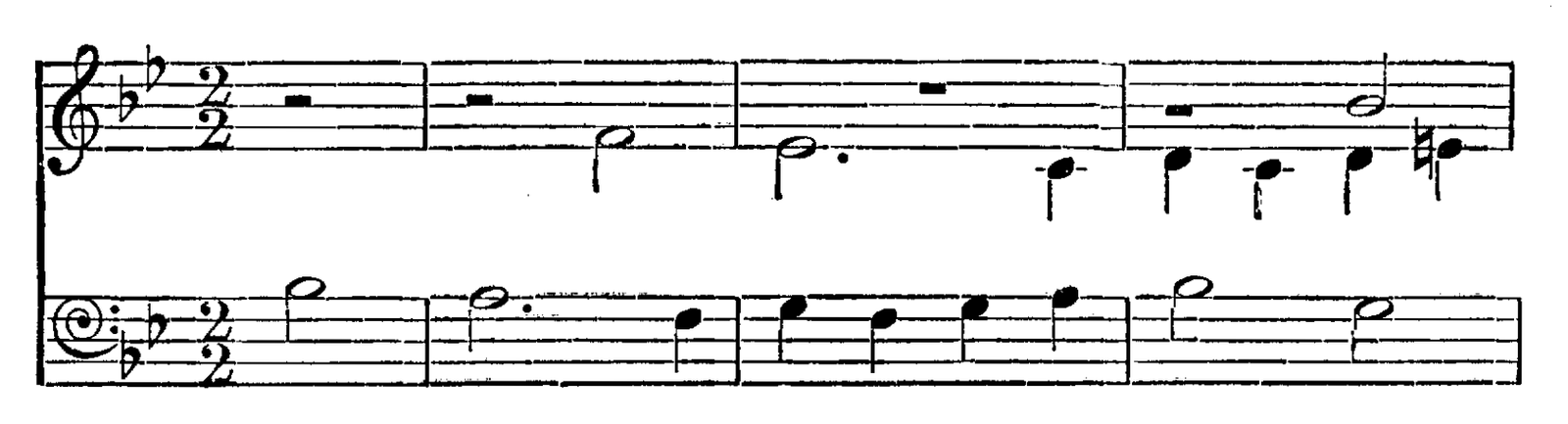
In order to get a good point of imitation the first note of the Counterpoint need not form a perfect concord with the C. F.
 Playable Books