 Playable Books
Max Reger · section 2 of 7
From C-major
Read and hear this section in the playable edition →1) G-major
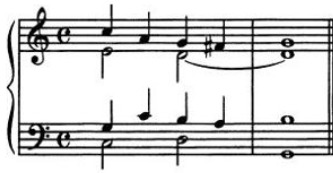
Tonic C-major; use this C-major which is at the same time the sub-dominant of G-major. (Cadence!)

2) D-major
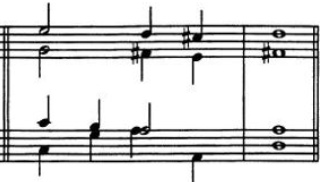
Tonic C-major; relative (e-minor) to the dominant (G-major) of C-major; use this e-minor (1st inversion), which is also relative to the sub-dominant (G-major) of D-major. (Cadence!)

“—” this mark under the Roman cipher means: 1st inversion (chord of the sixth),
“=” this mark under the Roman cipher means: 2nd inversion (chord of the six-four).
3) A-major
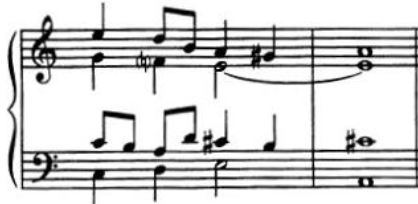
Tonic C-major; relative (d-minor) to the sub-dominant (F-major) of C-major; use this d-minor, which is at the same time the minor sub-dominant of A-major. (Cadence!)

4) E-major
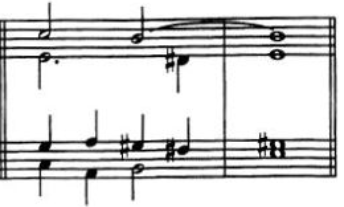
Tonic C-major; relative (a-minor) to the tonic of C-major; use this a-minor, which is at the same time the minor sub-dominant of E-major. (Cadence!)

5) B-major
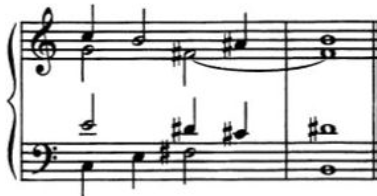
Tonic C-major; relative (e-minor) to the dominant (G-major) of C-major; use this e-minor, which is also the minor sub-dominant in B-major. (Cadence!)

6) F♯-major
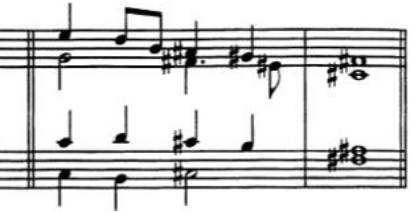
Tonic C-major; dominant G-major; the 1st inversion of which is used (the chord of the sixth, b d g), which is at the same time the chord of the Neapolitan sixth *) in F♯-major. (Cadence!)

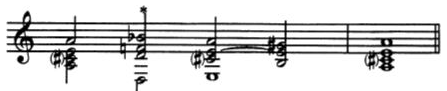
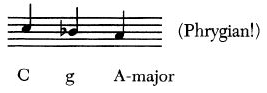
By “Chord of the Neapolitan sixth”, I mean the minor sub-dominant of a major or minor key, with unprepared suspension of the minor sixth before the fifth, which suspension need not necessarily be resolved upon the fifth of the minor sub-dominant. I call this chord “Neapolitan”, because A. Scarlatti in Naples first treated the sub-dominant in this manner; I adopt, as the name of this chord, that which Dr. H. Riemann uses. For instance — in A-major or a-minor the cadence with the chord of the Neapolitan sixth:
NB. To obtain a smooth and faultless progression of the parts, the pupil is strongly recommended to always double the root of this chord of the sixth!
7) C♯-major
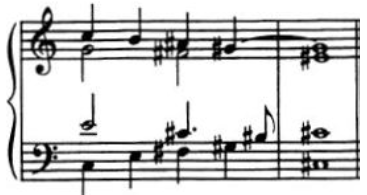
Tonic C-major; relative (e-minor) to the dominant (G-major) of C-major; use this e-minor, which is also the minor sub-dominant of B-major; dominant (F♯-major) of B-major; use this F♯-major, which is at the same time sub-dominant in C♯-major. (Cadence!)

8) G♯-major
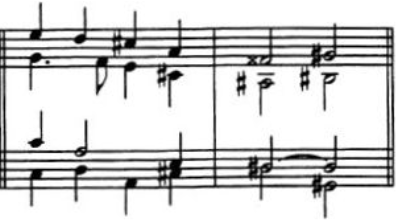
Tonic C-major; relative (d-minor) to the sub-dominant (F-major) of C-major; dominant (A-major) of d-minor; use the 1st inversion of this A-major (the chord of the sixth, c♯ e a), which is also the chord of the Neapolitan sixth in G♯-major. (Cadence!)

9) D♯-major
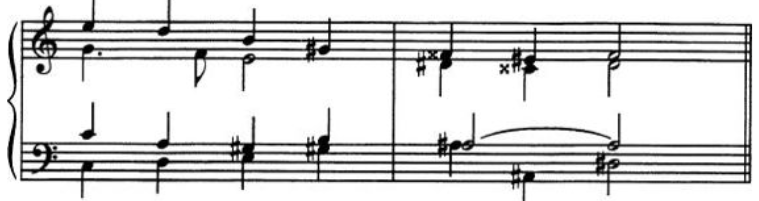
Tonic C-major; relative (d-minor) to the sub-dominant (F-major) of C-major; use this d-minor, which is at the same time sub-dominant of a-minor; dominant (E-major) of a-minor; use the 1st inversion of this E-major (the chord of the sixth, g♯ b e), which is at the same time the chord of the Neapolitan sixth in D♯-major. (Cadence!)

Small letters always indicate the minor key, or minor triad. Capital letters always indicate the major key, or major triad.
10) A♯-major
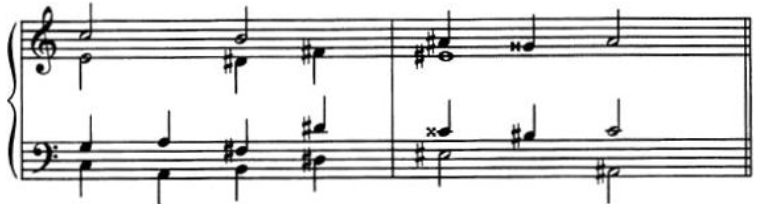
Tonic C-major; relative (a-minor) to the tonic C-major; use this a-minor, which is at the same time sub-dominant in e-minor; dominant (B-major) of e-minor; use the 1st inversion of this B-major (the chord of the sixth, d♯ f♯ b), which is also the chord of the Neapolitan sixth in A♯-major. (Cadence!)

11) E♯-major
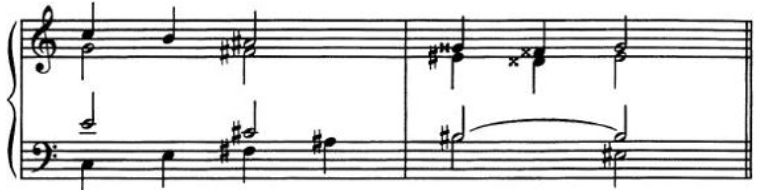
Tonic C-major; relative (e-minor) to the dominant (G-major) of C-major; use this e-minor, which is also sub-dominant in b-minor; dominant (F♯-major) of b-minor; use the 1st inversion of this F♯-major (the chord of the sixth, a♯ c♯ f♯), which is at the same time the chord of the Neapolitan sixth in E♯-major. (Cadence!)

12) B♯-major
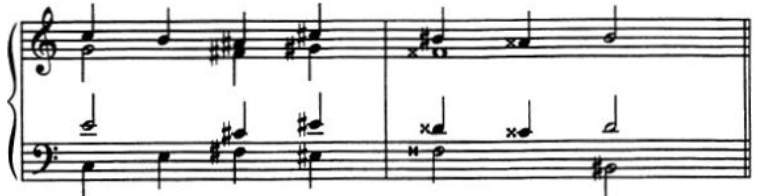
Tonic C-major; relative (e-minor) to the dominant (G-major) of C-major; use this e-minor, which is also sub-dominant in b-minor; dominant (F♯-major) of b-minor; use this F♯-major, which is at the same time the tonic of F♯-major; dominant (C♯-major) (1st inversion) of F♯-major; use this chord of the sixth (e♯ g♯ c♯), which is also the chord of the Neapolitan sixth in B♯-major. (Cadence!)

13) F-major
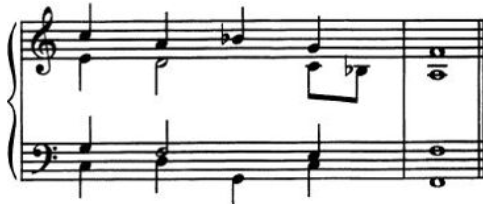
Tonic C-major; relative (d-minor) to the sub-dominant (F-major) of C-major; use this d-minor, which is also relative to the tonic of F-major. (Cadence!)

14) B♭-major
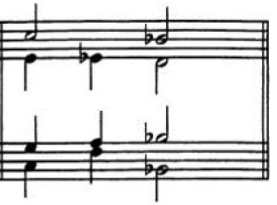
Tonic C-major; use this C-major, which is at the same time the 2nd super-dominant*) of B♭-major; dominant (F-major) of B♭-major; tonic B♭-major.

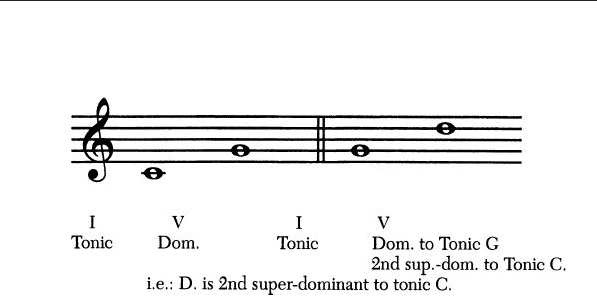
The 2nd super-dominant is in major and minor keys always a major triad and generally takes the place of the sub-dominant; hence the cadence in C-major with 2nd super-dominant.
i. e.: D. is 2nd super-dominant to tonic C.
15) E♭-major
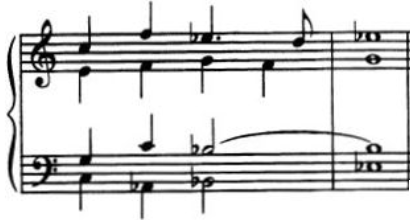
Tonic C-major; minor sub-dominant (f-minor, 1st inversion) of C-major; use this f-minor, which is also relative to the sub-dominant (A♭-major) of E♭-major. (Cadence!)

16) A♭-major
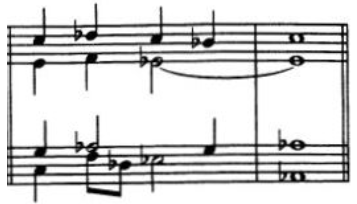
Tonic C-major; chord of the Neapolitan sixth (f a♭ d♭) in C-major; use this chord of the sixth, which is at the same time the 1st inversion of the sub-dominant (D♭-major) of A♭-major. (Cadence!)

17) D♭-major
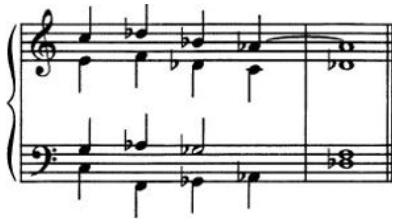
Tonic C-major, chord of the Neapolitan sixth (f a♭ d♭) in C-major; use this chord of the sixth (f a♭ d♭), which is also the 1st inversion of the tonic of D♭-major. (Cadence!)

18) G♭-major
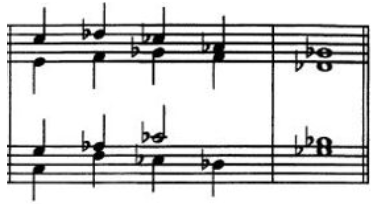
Tonic C-major; chord of the Neapolitan sixth (f a♭ d♭) in C-major; use this chord of the sixth (f a♭ d♭), which is at the same time the 1st inversion of the dominant (D♭-major) of G♭-major. (Cadence!)

19) C♭-major
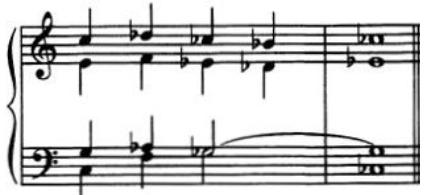
Tonic C-major; chord of the Neapolitan sixth (f a♭ d♭) in C-major; use this chord of the sixth (f a♭ d♭), which is at the same time, the 1st inversion of the 2nd super-dominant (D♭-major) of C♭-major; dominant (G♭-major, 6/4 5/3) of C♭-major; tonic C♭-major.

20) F♭-major
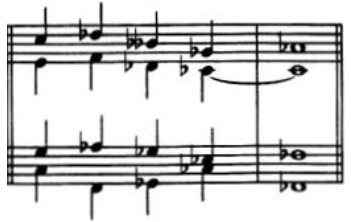
Tonic C-major; chord of the Neapolitan sixth (f a♭ d♭) in C-major; use this chord of the sixth (f a♭ d♭), which is also the 1st inversion of the dominant (D♭-major) of g♭-minor; use this g♭-minor, which is at the same time relative to the sub-dominant (B♭♭-major) of F♭-major; dominant C♭-major; tonic F♭-major.

21) B♭♭-major
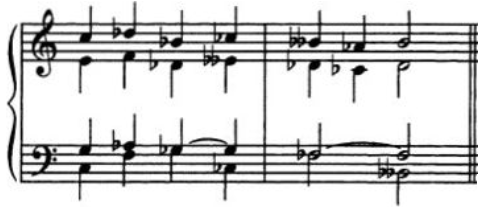
Tonic C-major; chord of the Neapolitan sixth (f a♭ d♭) in C-major; use this chord of the sixth (f a♭ d♭), which is at the same time, the 1st inversion (chord of the sixth) of the dominant (D♭-major) of G♭-major; use this G♭-major, which is at the same time the dominant of c♭-minor; use this c♭-minor, which is also relative to the sub-dominant (E♭♭-major) of B♭♭-major; dominant 6/4 5/3 (F♭-major) of B♭♭-major; tonic B♭♭-major.

22) a-minor
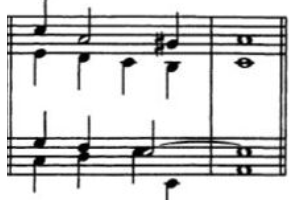
Tonic C-major; relative (d-minor) to the sub-dominant (F-major) of C-major; use this d-minor, which is at the same time the sub-dominant of a-minor. (Cadence!)

23) e-minor
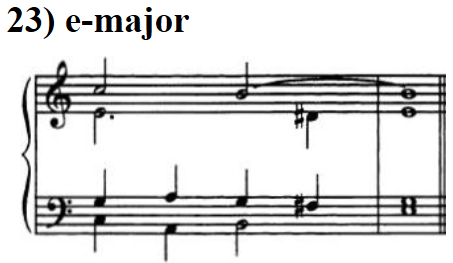
Tonic C-major; relative (a-minor) to the tonic of C-major; use this a-minor, which is also the sub-dominant in e-minor. (Cadence!)

24) b-minor
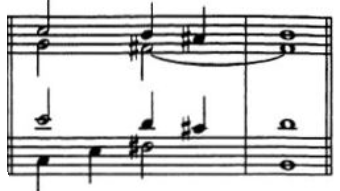
Tonic C-major; use the 1st inversion of this C-major (the chord of the sixth, e g c), which is at the same time chord of the Neapolitan sixth in b-minor. (Cadence!)

25) f♯-minor
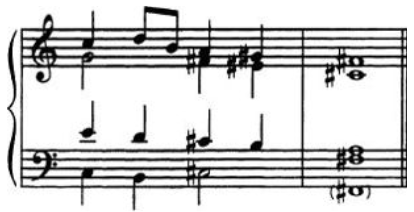
Tonic C-major; 1st inversion of the dominant (G-major) of C-major; use this chord of the sixth (b d g), which is at the same time the Neapolitan sixth in f♯-minor. (Cadence!)

26) c♯-minor
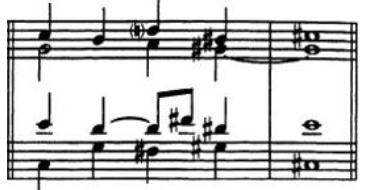
Tonic C-major; dominant (G-major) of C-major; use this G-major, which is also the sub-dominant of D-major; use this D-major (arranged as chord of the sixth), as it is at the same time the chord of the Neapolitan sixth (f♯ a d) in c♯-minor. (Cadence!)

27) g♯-minor
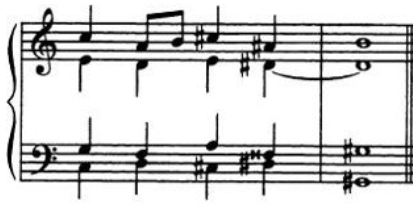
Tonic C-major; relative (d-minor) to the sub-dominant of C-major; use this d-minor, which is also tonic in d-minor; then dominant (A-major) of d-minor; this A-major (arranged as chord of the sixth, c♯ e a) is used, as it is at the same time the chord of the Neapolitan sixth in g♯-minor. (Cadence!)

28) d♯-minor
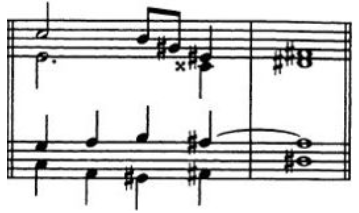
Tonic C-major; relative (a-minor) to C-major; use this a-minor, which is also tonic in a-minor; dominant (E-major) of a-minor, (as chord of the sixth), which chord of the sixth (g♯ b e) is used, as it is at the same time the chord of the Neapolitan sixth in d♯-minor. (Cadence!)

29) a♯-minor
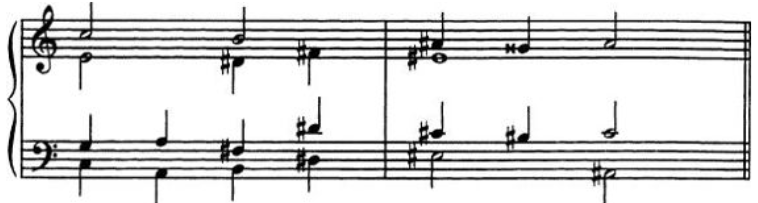
Tonic C-major; relative (a-minor) to the tonic (C-major); use this a-minor, which is at the same time sub-dominant in e-minor; dominant (B-major) of e-minor; use the 1st inversion of this B-major (the chord of the sixth, d♯ f♯ b), which is at the same time the chord of the Neapolitan sixth in a♯-minor. (Cadence!)

30) e♯-minor
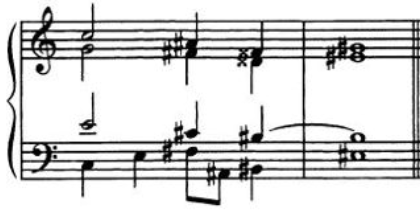
Tonic C-major; take the 1st inversion (chord of the sixth) of this; use this chord of the sixth (e g c), which is also the chord of the Neapolitan sixth in B-major; dominant (F♯-major) of B-major; take this F♯-major in its 1st inversion, (chord of the sixth a♯ c♯ f♯), i. e. this chord of the sixth is used, as it is at the same time the chord of the Neapolitan sixth in e♯-minor. (Cadence!)

31) b♯-minor
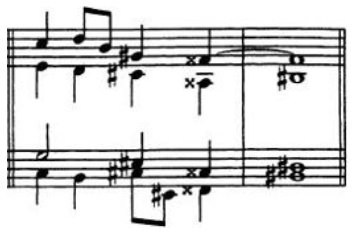
Tonic C-major; dominant (G-major) of C-major; this G-major arranged as chord of the sixth (b d g) is used, which is at the same time the chord of the Neapolitan sixth in F♯-major; dominant (C♯-major) of F♯-major, which C♯-major is, arranged in the 1st inversion, the chord of the sixth (e♯ g♯ c♯); use this chord of the sixth (e♯ g♯ c♯), which is at the same time the chord of the Neapolitan sixth in b♯-minor. (Cadence!)

32) d-minor
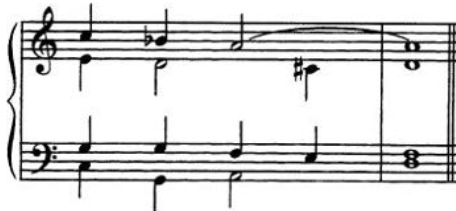
Tonic C-major = the dominant of F-major; relative (g-minor) to the sub-dominant of F-major; use this g-minor, which is at the same time the sub-dominant in d-minor. (Cadence!)

33) g-minor
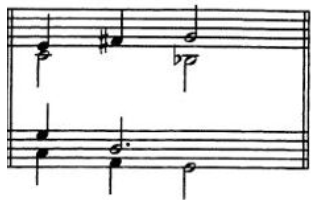
Tonic C-major, which is used, as it is also the chord of the Dorian*) sixth in g-minor; dominant (D-major) with 7th (2nd inversion) of g-minor.

The Dorian sixth is the major sixth in minor, which must always be led upwards (to the leading tone); for instance, f♯ in a-minor; this f♯ can be taken as the “Third” in D-major and also as the “Fifth” in the b-minor triad! (Hence D-major and b-minor: Chords of the Dorian sixth in a-minor!)
34) c-minor
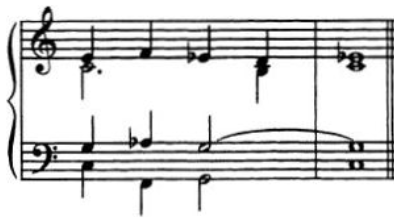
Tonic C-major; minor sub-dominant (f-minor) in C-major; use this f-minor, which is at the same time the sub-dominant of c-minor. (Cadence!)

35) f-minor
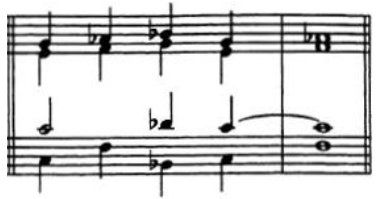
Tonic C-major is used, as it is also the dominant in f-minor; then Cadence.

36) b♭-minor
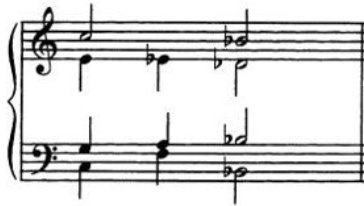
Tonic C-major is used, which is at the same time the 2nd super-dominant in b♭-minor; dominant (f a c [e♭]) in b♭-minor.

37) e♭-minor
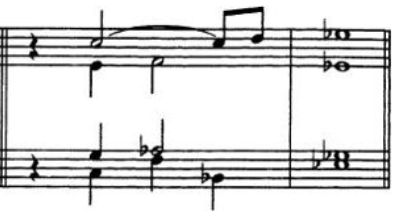
Tonic C-major; minor sub-dominant (f-minor) in C-major; use this f-minor (f a♭ c), which is also the chord of the Dorian sixth in e♭-minor; dominant (B-major) of e♭-minor and tonic e♭-minor.

38) a♭-minor
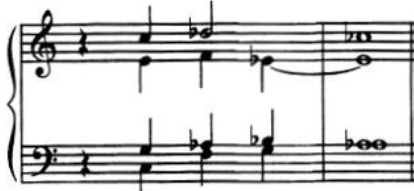
Tonic C-major; chord of the Neapolitan sixth (f a♭ d♭) in C-major; use this chord of the sixth (f a♭ d♭), which is at the same time the Dorian sixth (D♭-major as chord of the sixth) in a♭-minor; dominant (E♭-major) and tonic of a♭-minor.

39) d♭-minor
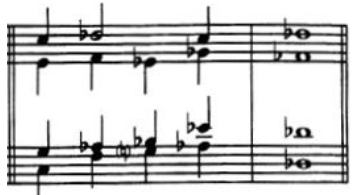
Tonic C-major; chord of the Neapolitan sixth (f a♭ d♭) in C-major, which chord of the sixth (f a♭ d♭) is used, as it is at the same time the sub-dominant of A♭-major; dominant (E♭-major) of A♭-major; tonic of A♭-major with minor seventh, which A♭-chord of the seventh (a♭ c e♭ g♭) is used, as it is also the dominant of d♭-minor.

40) g♭-minor
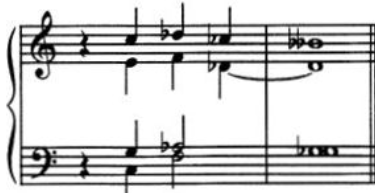
Tonic C-major; chord of the Neapolitan sixth (f a♭ d♭) in C-major, which chord of the sixth is used, as it is at the same time the 1st inversion of the dominant D♭-major (with seventh c♭, i. e. 6/5) of g♭-minor; tonic g♭-minor.

41) c♭-minor
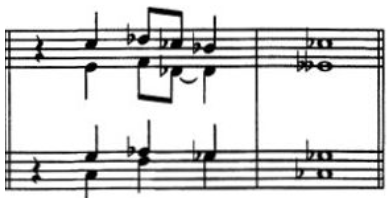
Tonic C-major; chord of the Neapolitan sixth (f a♭ d♭) in C-major, which chord of the sixth is used, as it is also the dominant (D♭-major with seventh c♭, i. e. 6/5) of G♭-major, and this G♭-major again is used, as it is at the same time the dominant of c♭-minor; tonic c♭-minor.
