Hector Berlioz · section 41 of 67
The Russian Bassoon Read and hear this section in the playable edition →
This is a low instrument related to the serpent. Its timbre is not very characteristic, and it lacks steadiness and hence purity of intonation. In my opinion it might be dropped from the family of wind instruments without the least injury to art. Its general range is:
Including the chromatic intervals
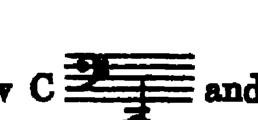
Fig. 818 · See it in the reader Fig. 819 · See it in the reader Some players can reach the low C = and go up to the high a but these are exceptions which
Fig. 820 · See it in the reader cannot be counted on in actual practice. The best tones of the Russian bassoon are D and E>, Only extremely inferior effects can be expected from trills on this instrument. Russian bassoons are found in military bands. It is to be hoped that they will disappear forever as soon as the bass tuba becomes generally adopted.
← The Serpent All sections Voices → More Playable Books Sanganeria, Arrival Build jazz lines that land, with 30 original playable examples. Fux, Counterpoint Learn how independent voices work together, one species at a time. Goetschius, Exercises in Elementary Counterpoint Build independent melodies through graded exercises, with 471 recorded examples. Goetschius, Counterpoint Applied Study imitation, canon, and fugue with 393 recorded examples. Prout, Bach’s Forty-Eight Fugues Follow Prout through all 48 fugues of the Well-Tempered Clavier, every example playable. Rameau, Treatise on Harmony Explore the foundations of harmony, composition, and accompaniment. Rimsky-Korsakov, Practical Manual of Harmony The classic harmony course, newly translated from the 1910 French edition, with all 640 examples playable. Tchaikovsky, Practical Study of Harmony Tchaikovsky’s Moscow Conservatory harmony course, with playable examples. Reger, Modulation Explore Reger’s modulation method with 100 analyses and 102 playable examples. Schoenberg, Theory of Harmony Read all 22 chapters, with the original German beside a new English translation. Rimsky-Korsakov, Principles of Orchestration Discover instrumental colors through scores and orchestral recordings. Forsyth, Orchestration A witty, thorough guide to every orchestral instrument, with the original pages. Bona, Rhythmical Articulation Practice rhythm through 120 graded studies, with playable notation and original scans. ← All Playable Books  Playable Books