Percy Goetschius · section 29 of 29
Appendix
Read and hear this section in the playable edition →
Solutions Of Some Of The Given Exercises
Ap.4-4a
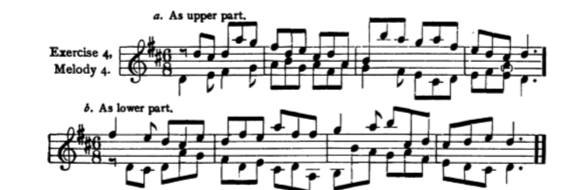 Fig. 440 · Play this example in the reader ▶
Ap.4-4b
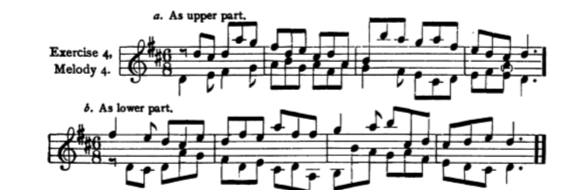 Fig. 441 · Play this example in the reader ▶
Ap.5-1a
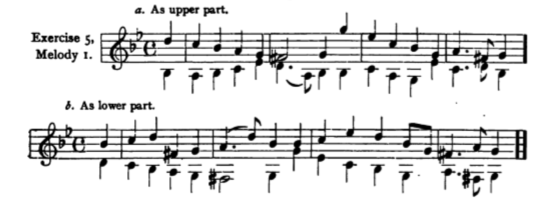 Fig. 442 · Play this example in the reader ▶
Ap.5-1b
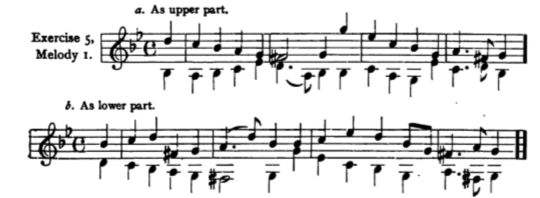 Fig. 443 · Play this example in the reader ▶
Exercise 5, Melody 1
Ap.6-5a
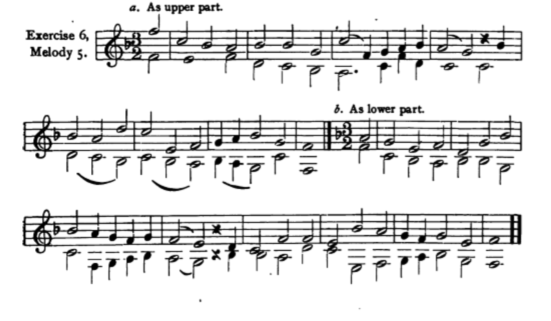 Fig. 444 · Play this example in the reader ▶
Ap.6-5b
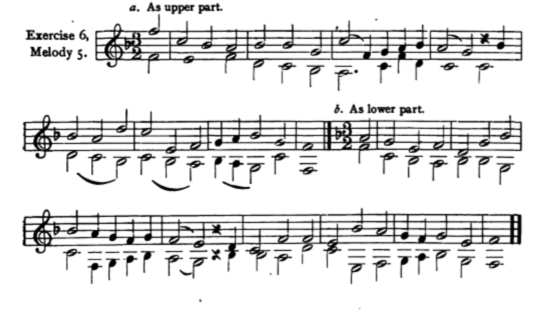 Fig. 445 · Play this example in the reader ▶
Exercise 6, Melody 5
Ap.7-6a
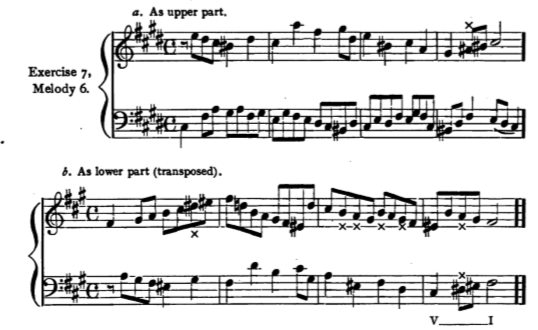 Fig. 446 · Play this example in the reader ▶
Ap.7-6b
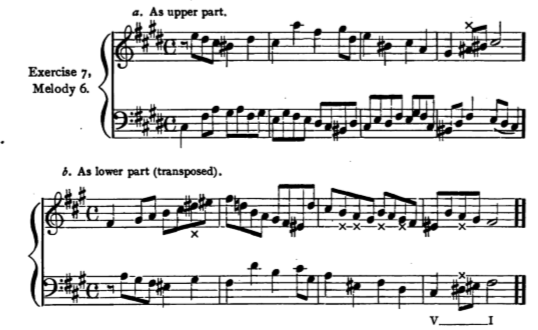 Fig. 447 · Play this example in the reader ▶
Exercise 7, Melody 6
i. As lower part (transposed).
Ap.8-IIa
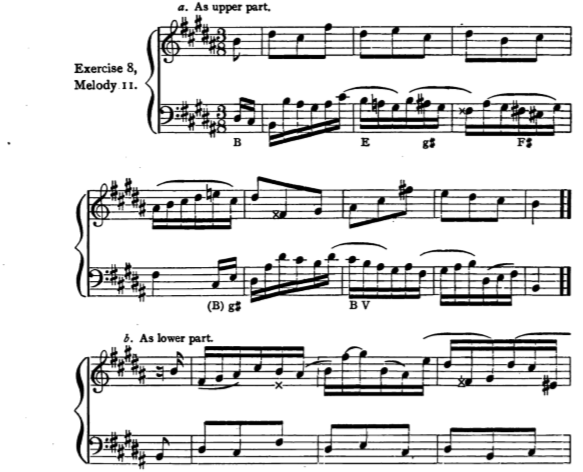 Fig. 448 · Play this example in the reader ▶
Ap.8-IIb
Fig. 449 · Play this example in the reader ▶
Exercise 8, Melody 11
Ap.9-4a
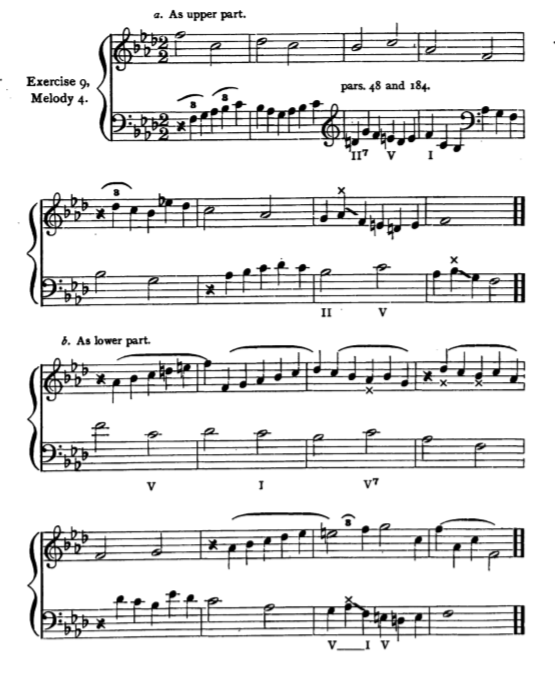 Fig. 450 · Play this example in the reader ▶
Ap.9-4b
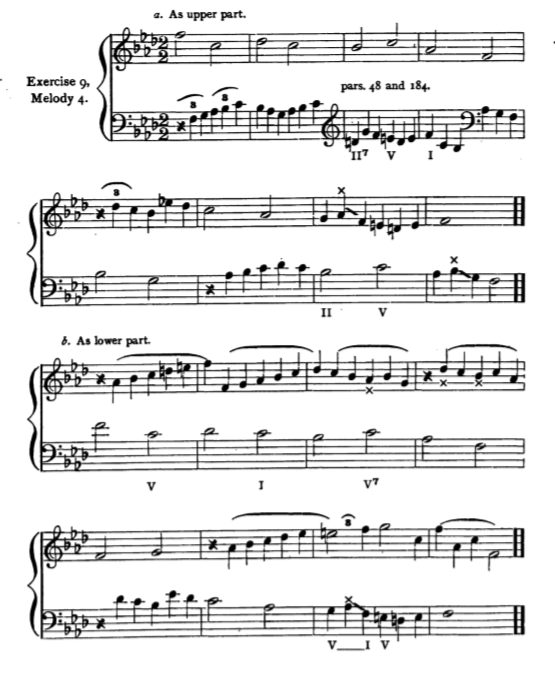 Fig. 451 · Play this example in the reader ▶
Exercise 9, Melody 4
Ap.11-3a
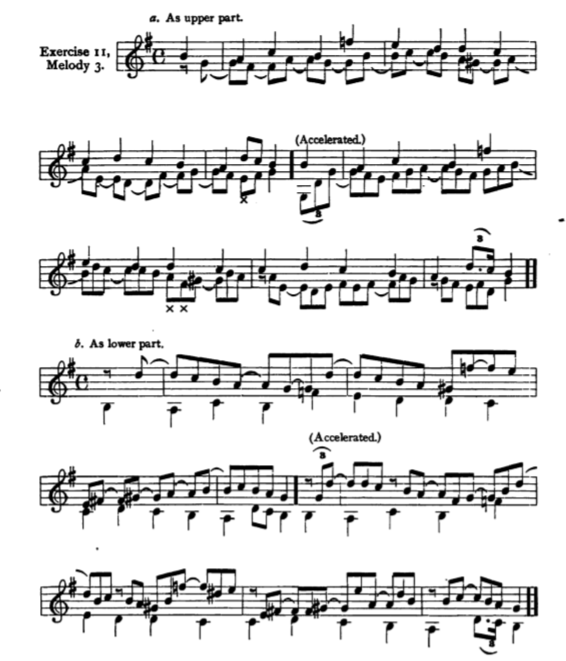 Fig. 452 · Play this example in the reader ▶
Ap.11-3b
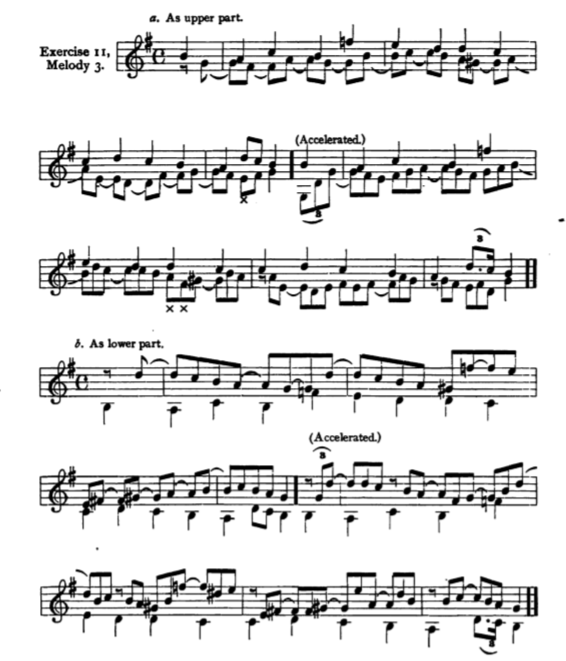 Fig. 453 · Play this example in the reader ▶
Ap.12-2a
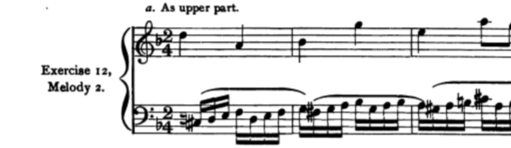 Fig. 454 · Play this example in the reader ▶
Ap.12-2b
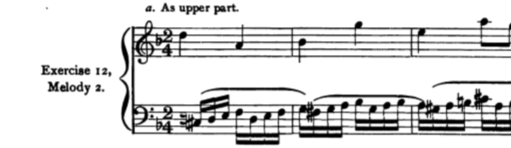 Fig. 455 · Play this example in the reader ▶
Exercise 12, Melody 2
Ap.15-5
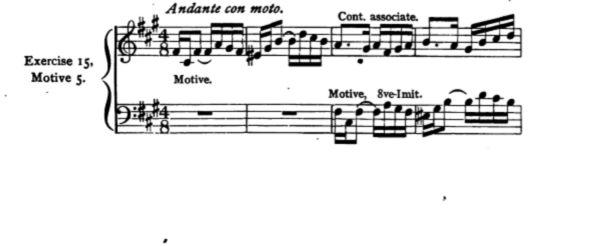 Fig. 456 · Play this example in the reader ▶
Exercise 15, Motive 5
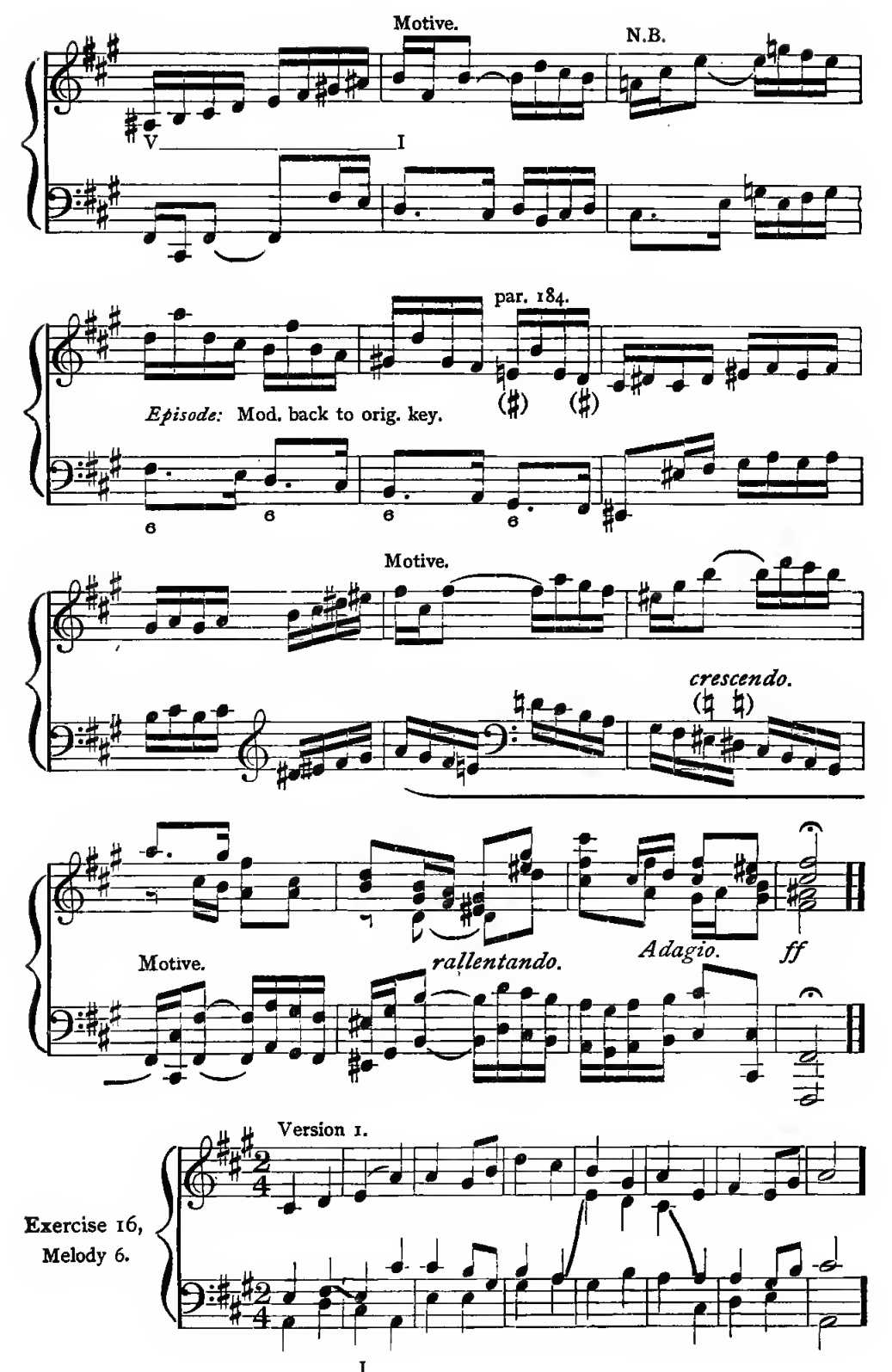 Fig. 457 · See it in the reader
Episode: Mod. back to orig. 1
Ap.16-6v1
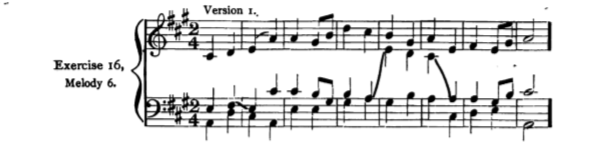 Fig. 458 · Play this example in the reader ▶
Ap.16-6v2
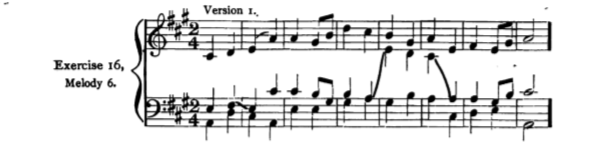 Fig. 459 · Play this example in the reader ▶
Ap.16-6v3
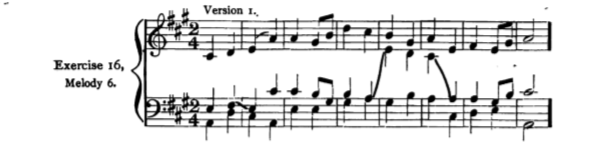 Fig. 460 · Play this example in the reader ▶
Exercise 16, Melody 6
Ap.17-8v1
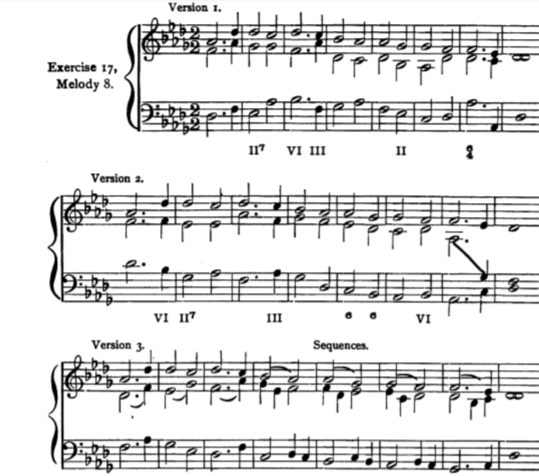 Fig. 461 · Play this example in the reader ▶
Ap.17-8v2
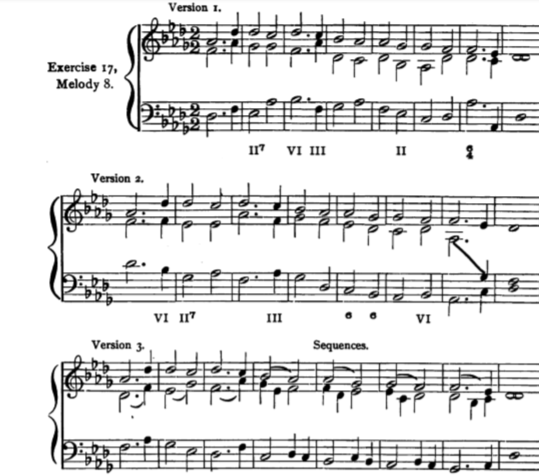 Fig. 462 · Play this example in the reader ▶
Ap.17-8v3
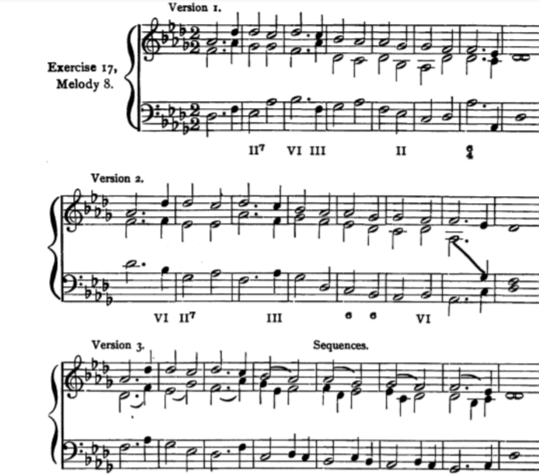 Fig. 463 · Play this example in the reader ▶
Ap.17-8v4
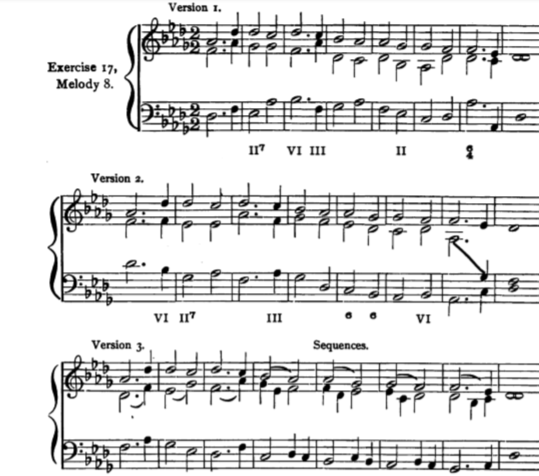 Fig. 464 · Play this example in the reader ▶
Exercise 17, Melody 8
Ap.18-7v1
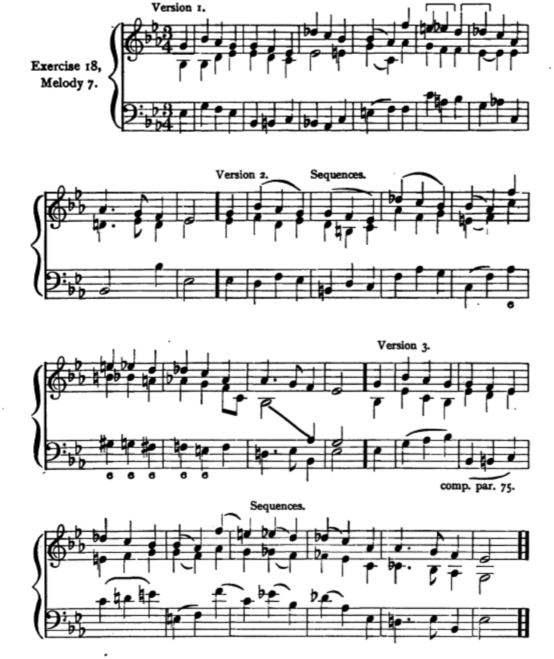 Fig. 465 · Play this example in the reader ▶
Ap.18-7v2
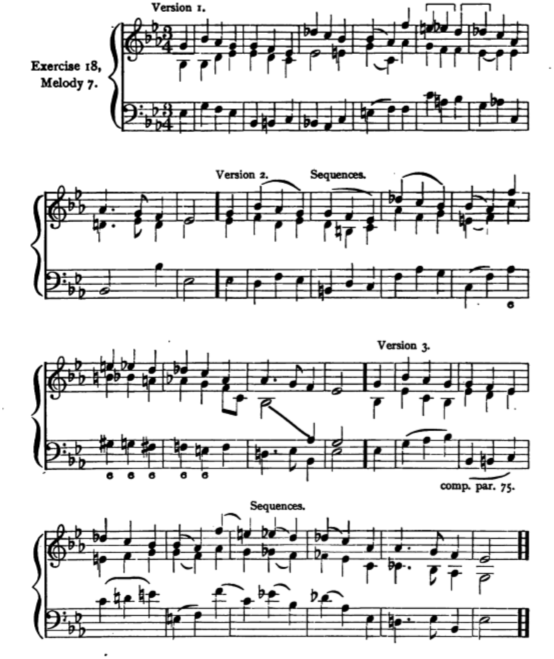 Fig. 466 · Play this example in the reader ▶
Ap.18-7v3
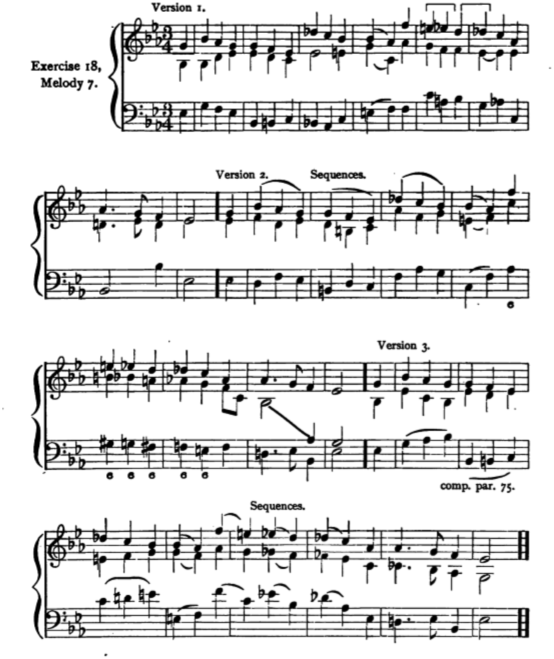 Fig. 467 · Play this example in the reader ▶
Exercise 18, Melody 7
Ap.19-3a
 Fig. 468 · Play this example in the reader ▶
Ap.19-3b
 Fig. 469 · Play this example in the reader ▶
Ap.19-3c
 Fig. 470 · Play this example in the reader ▶
Exercise 19, Melody 3
Ap.19b
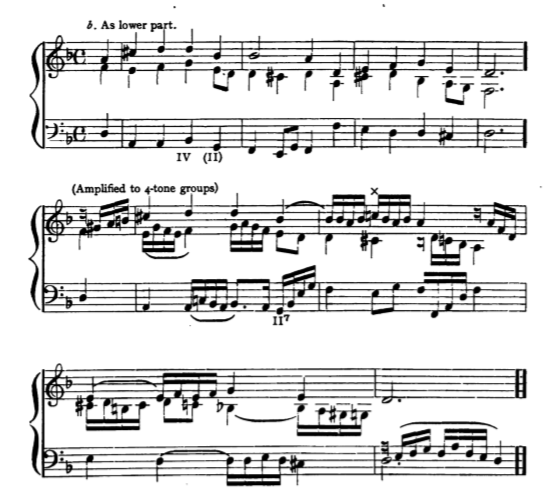 Fig. 471 · Play this example in the reader ▶
Ap.20-1
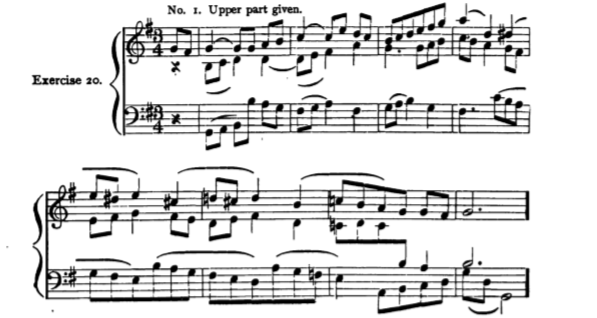 Fig. 472 · Play this example in the reader ▶
No. 1. Upper part given. ^-offl I-*,,
No. 2. Inner part given.
Ap.20-2
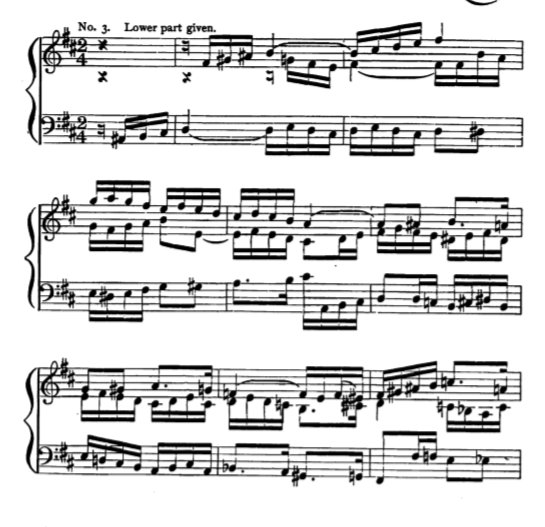 Fig. 473 · Play this example in the reader ▶
No. 3. Lower part given.
Ap.20-3
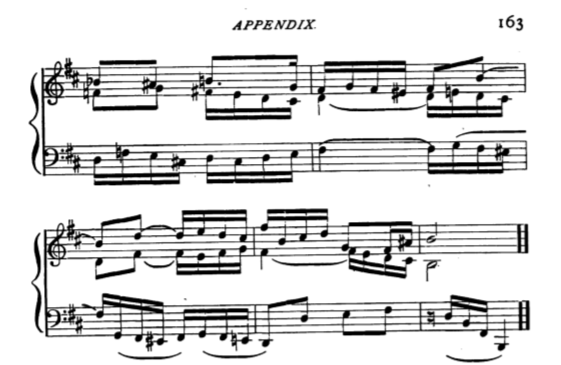 Fig. 474 · Play this example in the reader ▶
Ap.21-6
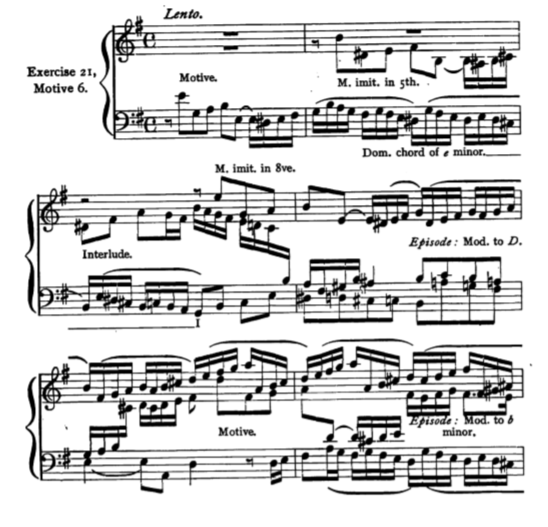 Fig. 475 · Play this example in the reader ▶
Exercise 21, Motive 6
Episode: Mod. to C, and a minor.
Episode: Mod. back to orig. key.
Ap.23-5
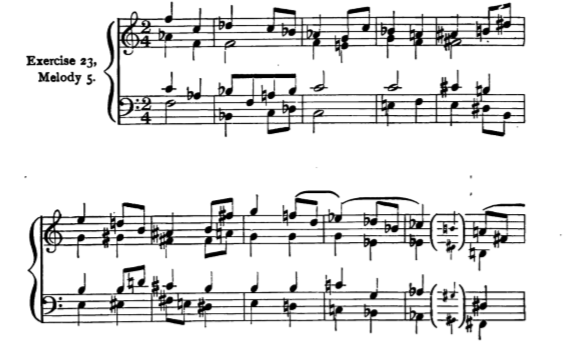 Fig. 476 · Play this example in the reader ▶
Exercise 23, Melody 5
Ap.24-1b
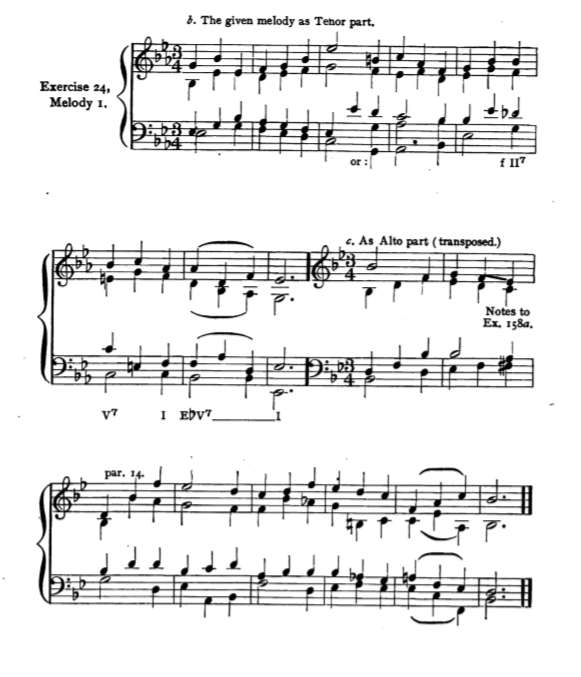 Fig. 477 · Play this example in the reader ▶
Ap.24-1c
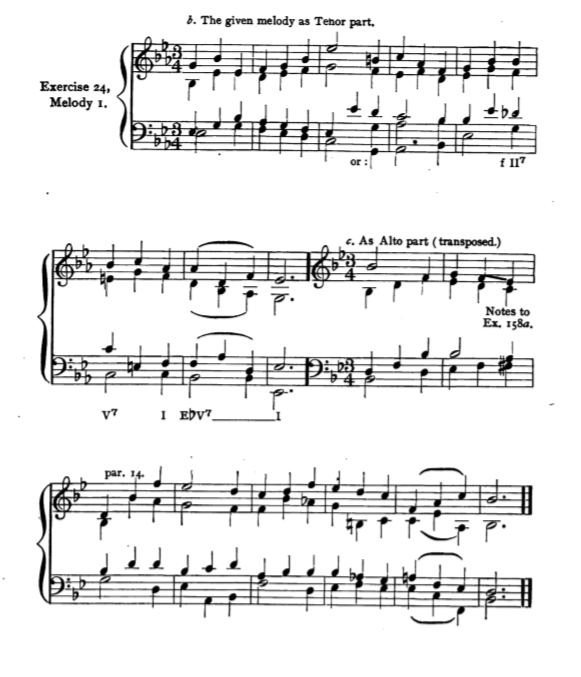 Fig. 478 · Play this example in the reader ▶
i. The given melody as Tenor part.
Exercise 24, Melody 1
t. As Alto part (transposed.)
Ap.24-2d
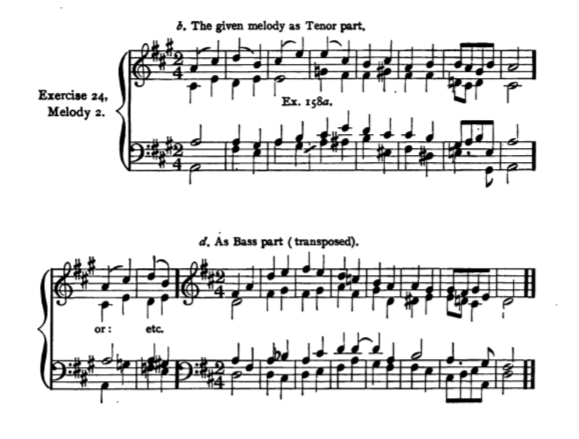 Fig. 479 · Play this example in the reader ▶
Ap24.2b
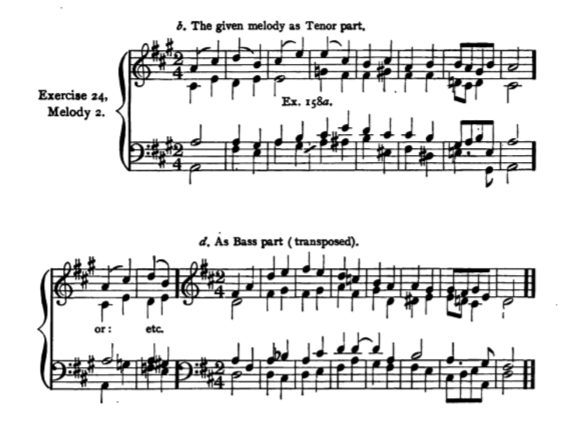 Fig. 480 · Play this example in the reader ▶
b. The given melody as Tenor part.
Exercise 24, Melody 2
<f. As Bass part (transposed).
£• The given melody as Tenor part.
Ap.24-3b
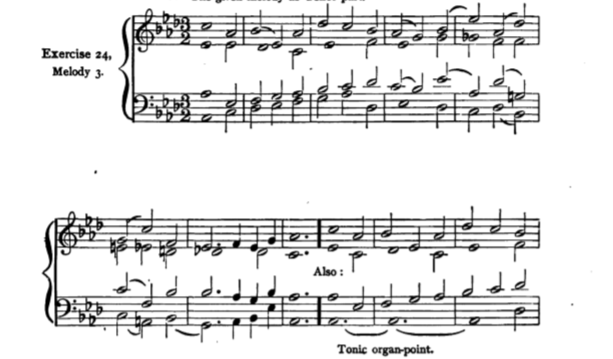 Fig. 481 · Play this example in the reader ▶
Ap.24-3c
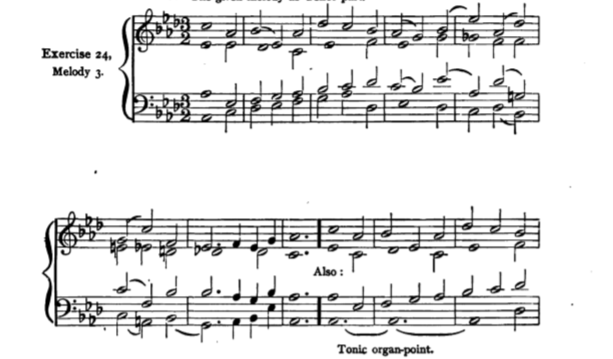 Fig. 482 · Play this example in the reader ▶
Ap.24-3d
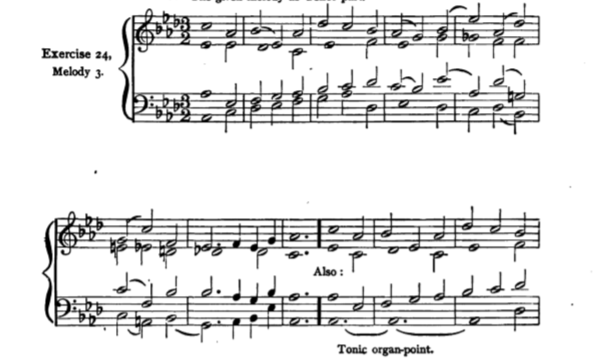 Fig. 483 · Play this example in the reader ▶
Exercise 24, Melody 3
*. As Alto part (transposed).
d. As Bass part (transposed).
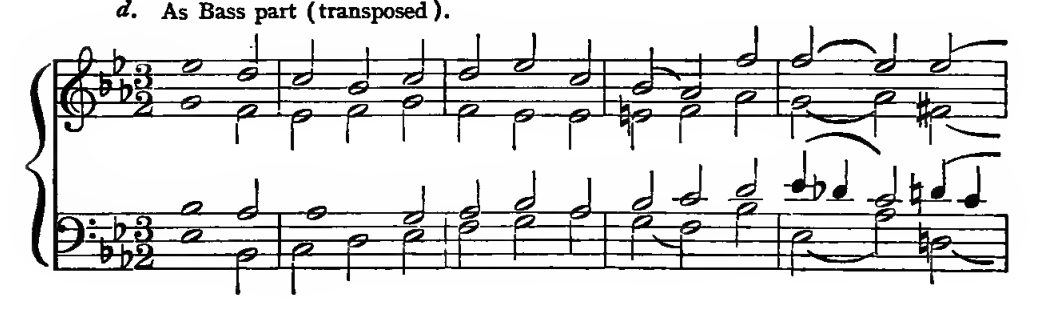 Fig. 484 · See it in the reader
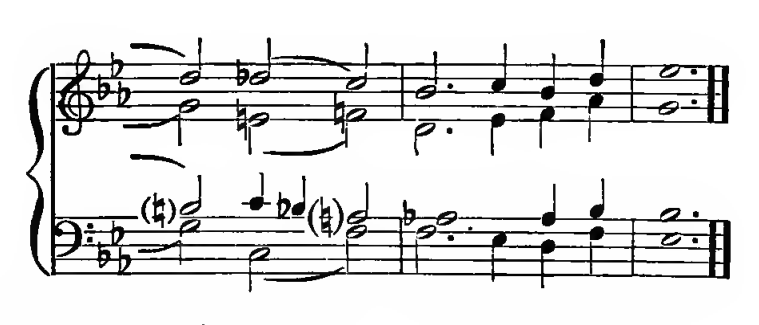 Fig. 485 · See it in the reader
Each of these versions of Exercise 24 is to be amplified, in the usual manner, to 2-note,
3-note, and 4-note groups.
Ap.26-5
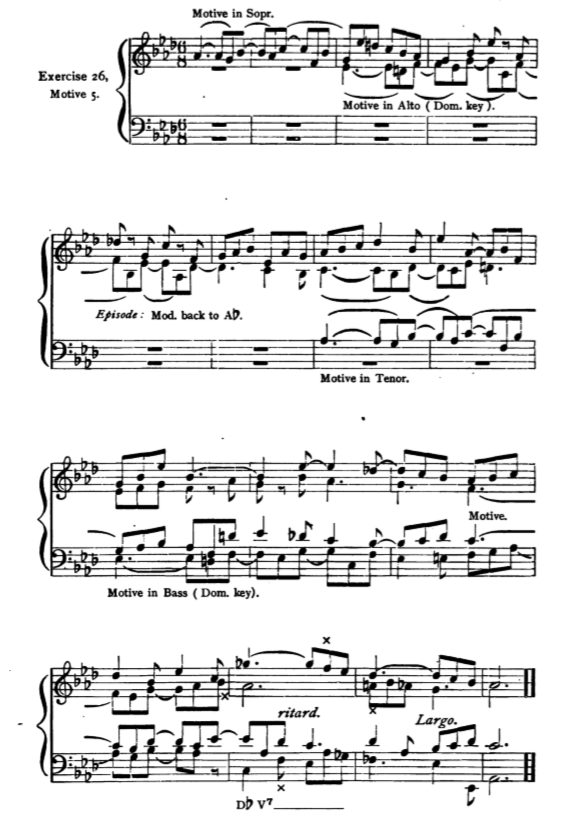 Fig. 486 · Play this example in the reader ▶
Exercise 26, Motive 5
Episode: Mod. back to At?.
Motive in Bass ( Dom. key).
 Playable Books