Playable BooksREADING EDITIONS
McKay, Creative Orchestration

George Frederick McKay · section 33 of 111

Definiteness of texture

Read and hear this section in the playable edition →

There are certain elementary types of unity which are necessary for clarity of musical meaning. These will be referred to as textures. They are types of "togetherness" in musical action, and are particularly necessary to orchestral writing because of the many diverse sounds and motor potentialities which, if left unorganized, would incline toward confusion. The orchestra, more than any other medium, profits most from clear and definite design (positive texture).

There are eight fundamental texture types:

(a) monophonic texture:

Symbol: a single wavy line
Fig. 117 · See it in the reader

(concentration of action into a single reinforced line)

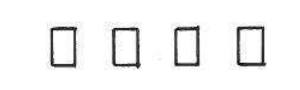
(b) chordal texture:

Symbol: four separate square blocks in a row
Fig. 118 · See it in the reader

(concentration into vertical blocks of sound)

c) polyphonic texture:

Symbol: several short overlapping curved lines
Fig. 119 · See it in the reader

(unity through line similarity)

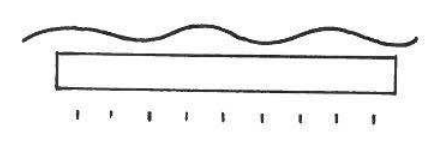
(d) homophonic texture:

Symbol: a wavy line above a long rectangle, with a row of short tick marks beneath
Fig. 120 · See it in the reader

(unity through contrast of role)

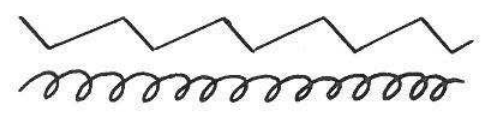
(e) polythematic texture:

Symbol: a zigzag line above a looped (coiled) line
Fig. 121 · See it in the reader

(unity through contrast of motive)

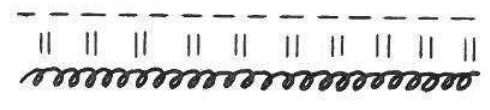
(f) polyrhythmic texture:

Symbol: a dashed line, a row of paired vertical strokes, and a looped (coiled) line, stacked
Fig. 122 · See it in the reader

(unity through blended rhythmic action)

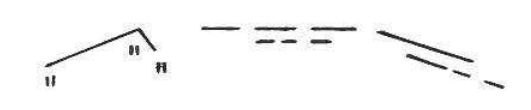
(g) heterophonic texture:

Symbol: a line drawn several ways at once (solid, broken and doubled strokes, with small tick marks)
Fig. 123 · See it in the reader

(unity of theme and variation played simultaneously)

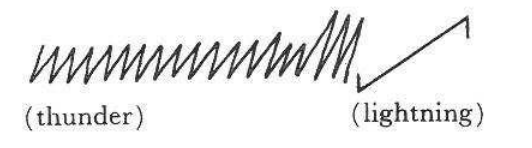
(h) onomatopoeic texture:

Symbol: a jagged zigzag line (thunder) ending in an angular stroke (lightning)
Fig. 124 · See it in the reader

(unity through nature imitation)

The application of the word "texture" to music may need to be defended. The main definition as given in the dictionary is: "texture — the peculiar disposition of the constituent parts of any body; the manner in which they are disposed, arranged or united; structure in general." Surely this definition includes music (a body of sound).

Each of these textural types will be fully explained and illustrated and study projects suggested. After the several textural projects have been completed it should become clear that every score must necessarily utilize one or another of the textures at some point in its progress, since they are indispensable sources of unity.