Playable Books
Ebenezer Prout · section 18 of 50
Fugue 16 · Book I, No. 16 · BWV 861
Read and hear this section in the playable edition →G Minor (Four Voices).
Exposition
A very regular fugue in construction, and not difficult to follow. The subject in the alto, begins on the dominant
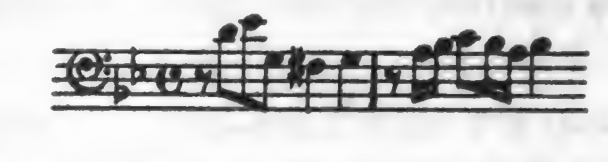
and therefore takes a tonal answer. There is a regular countersubject (bar 3 to 4, first beat) which accompanies every entry of the subject except the last, but is curtailed in the stretti. A codetta separates the answer (treble) from the return of the subject (bass, bar 5), to which the answer (tenor, bar 6) follows immediately.
Middle Section
There are only two episodes (bars 8 to 12 and 24 to 28), separating the middle entries from the exposition and from the final section. Both are founded on the second bar of the subject, direct or inverted.
After three entries in the relative major keys (bars 12 to 16), the alto with subject, tenor with answer, and bass with subject, the first stretto commences in bar 12; this is at the interval of a fifth, two voices participating, namely, the bass and the alto. Two entries of the subject in C minor (bars 20 and 21), and one of the answer in G minor with a passing-note D inserted between the first two notes, complete the middle group.
Final Section
The final section, starting at bar 28, is again in stretto, the treble, tenor and bass commencing the subject at successive intervals of half a bar, but only the tenor absolutely completing it; the alto gives a fragment of the countersubject. The two last en ries (alto and tenor) call for no special comment
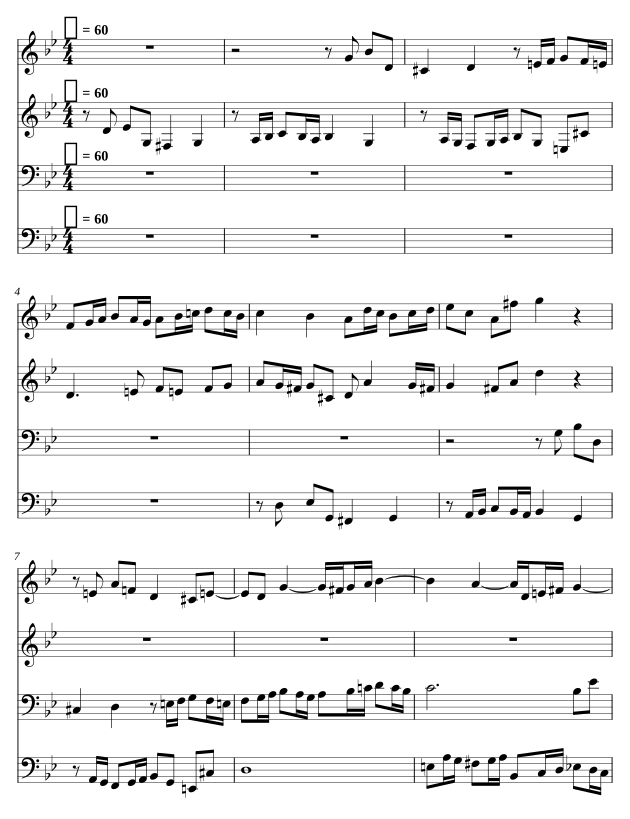
Complete fugue: Bach, Well-Tempered Clavier, Book 1, No. 16, BWV 861. The reference score and piano recording below contain the entire fugue; the smaller engravings above reproduce Prout’s selected examples.