Playable Books
Ebenezer Prout · section 35 of 50
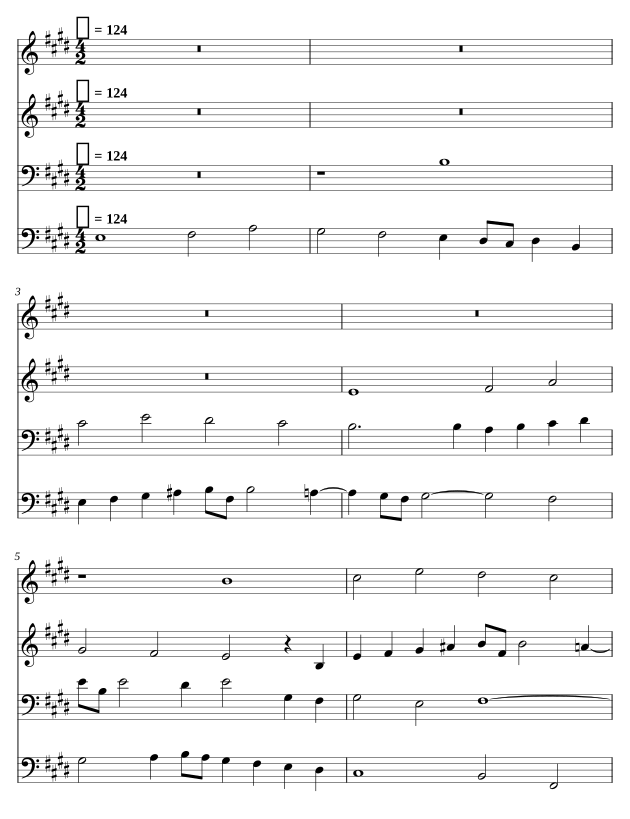
Fugue 33 · Book II, No. 9 · BWV 878
Read and hear this section in the playable edition →E Major (Four Voices).
One of the most perfect art works in the series. The subject is short and simple, but lends itself, in the hands of genius, to wonderful variety of resource.
Exposition
— The subject is announced in the bass —
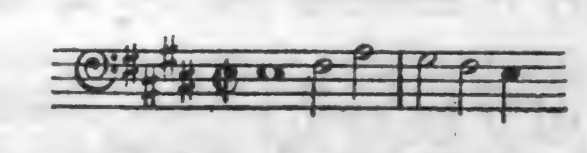
The answer in the tenor is real, and enters against the last note of the subject. The other voices enter at corresponding intervals of time, and in regularly ascending order. There is a rather important countersubject—
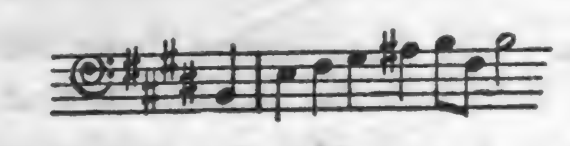
though it does not invariably accompany the subject, and undergoes some slight modifications; see bars 11 (tenor), 37 (alto), 38 (tenor), etc.
Counter-Exposition
After a short codetta (bars 7 to 9) there follows a complete and very perfect counter-exposition in stretto (bars 9 to 12), each pair of entries being in canon at half a bar (though the first note of the alto is shortened), while the distance of a whole bar separates the second pair from the first. The answer of course leads in each pair, but as this is a higher voice in the first pair (alto and tenor) and a lower in the other (bass and treble) they are shown in double counterpoint.
Middle Section
The first episode (bars 12 to 16) is formed from the countersubject, treated by imitation in all the voices. The next entries (bars 16 to 18, 19 to 21) are again in pairs of stretti (here at a distance of one bar), and although they are principally in the original key, they terminate in F sharp minor, thus meeting, in a measure, the requirement of key-contrast for the middle section. As noted in our analysis of Fugue 1, there is often comparatively little variety of key in fugues containing much stretto. The second episode (bars 23 to 26) is founded on the subject metamorphosed, the leap of a third being filled in with a passing note, and the rhythm varied. In bars 26 to 29 is a series of entries of subject and answer by diminution, again as two two-voice stretti; and in bars 30 to 32 the answer by diminution in the bass is replied to, at one beat's distance, by the subject in its original form in the alto. The third episode (bars 32 to 35) is made from the subject inverted and diminished;
Final Section
The final stretto (from bar 35) is also the closest. The alto leads with the answer, its first note shortened; on the next half beat, the treble follows, employing both the devices of inversion and diminution; again half a beat later the tenor introduces the subject in its original form; and appearances of the answer in bass (bar 36) and subject in treble (bar 37), at distances of one bar, complete the group. There is an isolated entry of the answer in bars 40 to 41, and a short coda is added. The countersubject makes its re-appearance in this final section (bars 36, 37, 38, 40) after being absent from the stretti of the middle groups.
Complete fugue: Bach, Well-Tempered Clavier, Book 2, No. 9, BWV 878. The reference score and piano recording below contain the entire fugue; the smaller engravings above reproduce Prout’s selected examples.