Nikolai Rimsky-Korsakov · sección 82 de 96
El acorde artificial de séptima de dominante y el acorde artificial de séptima disminuida Lee y escucha esta sección en la edición reproducible →
Traducción automática de la lectura en inglés. Borrador; aún sin revisión por un hablante nativo.
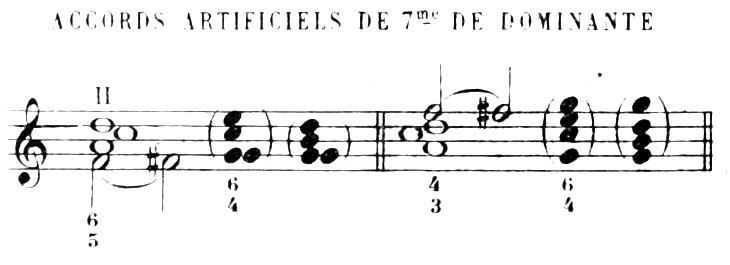
§ 78. — 1) El acorde artificial de séptima de dominante se forma elevando la tercera (como nota de paso cromática) en el acorde de séptima del 2.º grado de la tonalidad mayor; resuelve en el acorde del 1.º o del 5.º grado.
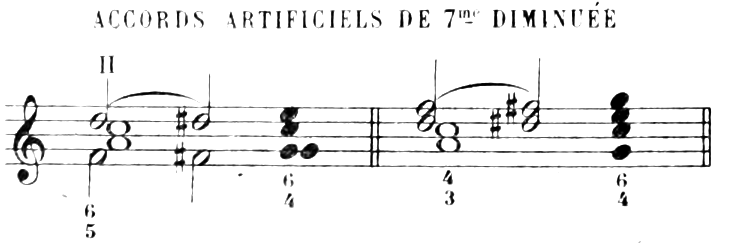
2) El acorde artificial de séptima disminuida surge al combinar la alteración anterior con una alteración de la fundamental del mismo acorde; resuelve únicamente en el 1.º grado.
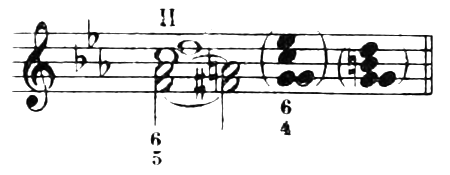
3) Ambos se emplean preferentemente como acordes de quinta y sexta y de tercera y cuarta en las cadencias:
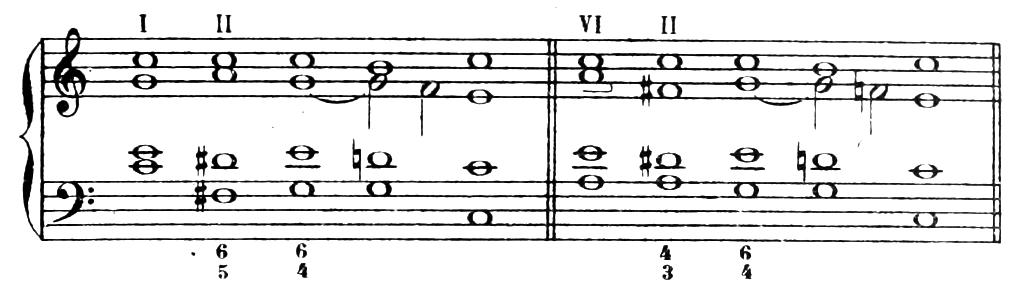
Fig. 337 · Verlo en el lector Fig. 338 · Verlo en el lector 4) Ambos, preparados tanto por las tríadas del I o del VI grado como por la del IV, pueden emplearse como acordes independientes.
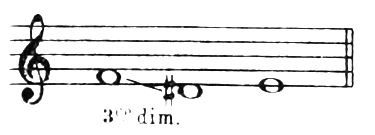
Fig. 339 · Verlo en el lector OBSERVACIÓN.— Cuando el acorde artificial de séptima disminuida se prepara mediante la tríada del IV grado, una de las voces desciende una tercera disminuida:
Fig. 340 · Verlo en el lector 5) En el modo menor, el acorde artificial de séptima de dominante requiere, además de elevar la tercera, elevar también la quinta:
Fig. 341 · Verlo en el lector el empleo de la segunda inversión de este acorde es raro.
6) El acorde artificial de séptima disminuida no puede formarse sobre el II grado del modo menor.
← Acordes alterados Todas las secciones Acordes producidos por la alteración descendente del II grado → Más Playable Books Tchaikovsky, Guide to the Practical Study of Harmony Tchaikovsky’s Moscow Conservatory harmony course, with playable examples. Fux, Gradus ad Parnassum Learn how independent voices work together, one species at a time. Goetschius, Exercises in Elementary Counterpoint Build independent melodies through graded exercises, with 471 recorded examples. Goetschius, Counterpoint Applied Study imitation, canon, and fugue with 393 recorded examples. Kitson, Counterpoint for Beginners Strict counterpoint in two and three parts, species by species, with every example playable. Prout, Analysis of J. S. Bach’s Forty-Eight Fugues Follow Prout through all 48 fugues of the Well-Tempered Clavier, every example playable. Rameau, Treatise on Harmony Explore the foundations of harmony, composition, and accompaniment. Fenaroli, Partimenti Six books of partimenti, with playable basses, contrapuntal exercises, and bilingual rules. Reger, Supplement to the Theory of Modulation Explore Reger’s modulation method with 100 analyses and 102 playable examples. Cutter, Harmonic Analysis Learn to name every chord and non-harmonic tone in real music, from Bach to Wagner, with the passages playable. Schoenberg, Theory of Harmony Read all 22 chapters, with the original German beside a new English translation. Rimsky-Korsakov, Principles of Orchestration Discover instrumental colors through scores and orchestral recordings. Forsyth, Orchestration A witty, thorough guide to every orchestral instrument, with the original pages. Forsyth, Choral Orchestration A whole Te Deum orchestrated bar by bar, with Forsyth’s reasons, the full score and the vocal score playable. Berlioz, Treatise on Instrumentation Berlioz’s treatise on the orchestra, revised by Richard Strauss, with the original pages. McKay, Creative Orchestration Ranges, transpositions, texture and balance, taught through projects, with the supplied examples played by orchestral samples. Sanganeria, Arrival Build jazz lines that land, with 30 original playable examples. Bona, Complete Method for Rhythmical Articulation Practice rhythm through 120 graded studies, with playable notation and original scans. Hanon, The Virtuoso-Pianist Practise all 60 exercises with playable notation, original scans and supplied Mutopia playback. Mathews, Standard Graded Course of Studies, Grade I A first year of piano: 136 short pieces by many composers, every one playable, with Mathews’s teaching notes. ← Todos los Playable Books  Playable Books