Hector Berlioz · section 7 sur 67
La viole de gambe Lisez et écoutez cette section dans l’édition jouable →
Lecture française composite : passages originaux de Berlioz rétablis lorsque leur contenu concorde avec l’anglais ; ailleurs, nouvelle traduction automatique de l’édition anglaise Berlioz/Strauss de 1948. Brouillon, sans relecture par un locuteur natif. Provenance et ambiguïtés : fr-sources.html.
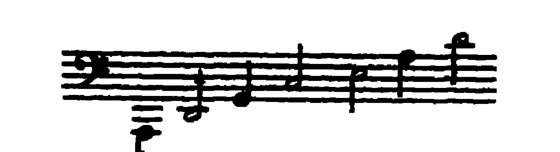
La viole de gambe (c’est-à-dire viole de jambe) était en usage en Allemagne jusqu’à la seconde moitié du XVIIIe siècle. Elle eut d’abord cinq cordes, puis six ; à la fin du XVIIe siècle, on lui ajouta une corde grave (la). Cet instrument, autrefois populaire, possède un son beau et sonore. Il était accordé en quartes, à une exception près, et avait l’étendue suivante :
Fig. 153 · Le voir dans le lecteur Sa touche, comme celle du luth, était garnie de frettes marquant les divisions entre les sons.
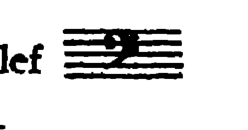
La viole de gambe est l’ancêtre du violoncelle moderne. Elle était un peu plus petite que le violoncelle et s’écrivait, selon la
Fig. 154 · Le voir dans le lecteur hauteur, en clef de fa — =, en clef de ténor ==, en clef d’alto ==
ou en clef de soprano ==
← La viole d’amour Toutes les sections Le violoncelle → Autres Playable Books Sanganeria, Arrival Build jazz lines that land, with 30 original playable examples. Fux, Gradus ad Parnassum Learn how independent voices work together, one species at a time. Goetschius, Exercises in Elementary Counterpoint Build independent melodies through graded exercises, with 471 recorded examples. Goetschius, Counterpoint Applied Study imitation, canon, and fugue with 393 recorded examples. Prout, Analysis of J. S. Bach’s Forty-Eight Fugues Follow Prout through all 48 fugues of the Well-Tempered Clavier, every example playable. Rameau, Treatise on Harmony Explore the foundations of harmony, composition, and accompaniment. Rimsky-Korsakov, Practical Manual of Harmony The classic harmony course, newly translated from the 1910 French edition, with all 640 examples playable. Tchaikovsky, Guide to the Practical Study of Harmony Tchaikovsky’s Moscow Conservatory harmony course, with playable examples. Fenaroli, Partimenti Six books of partimenti, with playable basses, contrapuntal exercises, and bilingual rules. Reger, Supplement to the Theory of Modulation Explore Reger’s modulation method with 100 analyses and 102 playable examples. Schoenberg, Theory of Harmony Read all 22 chapters, with the original German beside a new English translation. Rimsky-Korsakov, Principles of Orchestration Discover instrumental colors through scores and orchestral recordings. Forsyth, Orchestration A witty, thorough guide to every orchestral instrument, with the original pages. Bona, Complete Method for Rhythmical Articulation Practice rhythm through 120 graded studies, with playable notation and original scans. ← Tous les Playable Books  Playable Books