 Playable Books
Hector Berlioz · section 15 of 67
The Oboe
Read and hear this section in the playable edition →

stopped and all keys closed plays the tone D. Yet performers need not pay any attention to the natural sound of the tube; they simply play the written notes. Thus, the C of a tenor trombone is a C and not a Bb, the C of an alto trombone is also C and not Eb, that of the flute is again a C and not a D. The evident conclusion is that these instruments belong not to the transposing, but to the non-transposing instruments. One may consider them to be in C just as well as the oboes, clarinets, horns, cornets and trumpets in C. They require no designation of key, unless they be called “in C”. This shows at once how important it is not to call the ordinary flute, “flute in D”; for it has become the fashion to name the higherpitched flutes according to the difference between their pitch and that of the o flute. Thus, the flute in the third (i.e., “third-flute”) is called “flute in F”; the flute in the. ninth (ie., “ninth-flute”) is called “flute in Eb”. The designation of the instruments by interval rather than by key would at least have avoided the confusion of terms. The following illustrates what this terminology can lead to. In-a score the small clarinet in Eb, whose C really pro- duces Eb, can execute the same part as a third-flute, so-called “in F”. The two instruments bearing the names of different keys nevertheless produce the identical tone. One of the two designations must be false. Is it not absurd to adopt a nomenclature for the keys of the flute completely at variance with that used for the other instruments?
Hence I propose the following principle, which makes any misunderstanding impossible: the tone C is the only point of comparison upon which the designation of the key of transposing instruments is to be based. The natural sound of the tube of nontransposing wind instruments is to be disregarded completely. All non-transposing instruments and those transposed only in the octave /i.e., in which the written G preduces C} are considered as being in C.
If an instrument of the same family is tuned below
Reed Instruments
The family of double-reed instruments is to be distinguished from that of si agle-reed instruments. The former is composed of five members: the oboe, the
This iistrument has a range of two octaves and a fifth and is written in the G-clef:
Including the chromatic intervals ee$
The two highest notes should be used with caution; the F in particular is risky when it enters abruptly. * Some oboes have the low B> 5 but this tone, not generally available on =) the instrument. should better be avoided.
With the application of Boehm’s system the present
or above the pitch of the basic instrument, this difference is designated according to the relation to C. Consequently, the violin, the flute, the oboe, playing unisono with the clarinet in C, the trumpet in C, the horn in C, are in C; whereas a violin, a flute, an oboe which are tuned a tone higher than the usual instruments of the same name, are called in D, because they play unisono with the clarinet in D and the trumpet in D.
Hence it follows that the old designations for the flutes should be abandoned: the third-flute should no longer be called flute in F, but rather flute in Eb, since its C produces Eb; likewise, flutes in the minor ninth or second should not be called flutes in E2, but rather large or small flute in D9, since their C produces D>; and so on for all keys.
English horn, the bassoon, the tenoroon, and the double-bassoon: the latter comprises clarinets, bassethorns, saxophones, etc.
difficulties of fingering will disappear, as for instance in rapid passages from the middle C# (D2) to the note above:
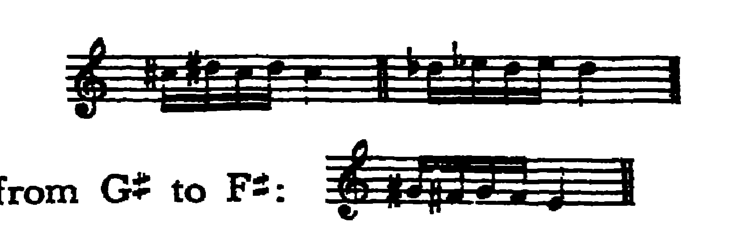
On these tones and also on certain others, major trills are therefore impossible or very difficult and of poor effect, as the following table shows:


diguigtie ef ate se:
We oe *« * Tl difficult [| easier i imposuible |

The Paris Conservatoire Model, with some changes by Flemming, makes it possible to play all the trills marked * quite cleanly, even at a rather rapid tempo; also the broken F*-major
* This no longer applies to the modern French oboes;
| they can play piano up to == 3 they even produce" € and
chord, for instance
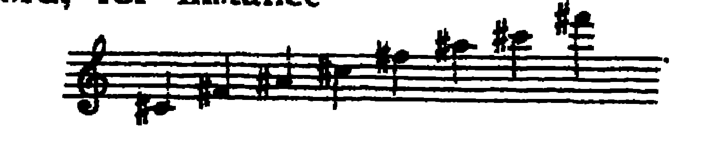
» but only legato.
Oboes, similarly to all other instruments, play with greater ease in keys with few flats and sharps. Scales in B are difficult, in Ab easier, in Db again more difficult. The following passages are easy, even at the most rapid tempo:

In melodious passages the following range should not be exceeded:.

The tones above or below this range sound weak or thin, hard or shrill and are all of poor quality. Rapid chromatic or diatonic runs have an unpleasant, almost ridiculous effect, even though they can be executed quite easily on the oboe; the same is true of arpeggios, There should hardly ever bé any need of writing such passages; in fact, we have never come across any. The use that virtuosos make of them in their fantasias and variations does not‘disprove their impracticability. The oboe is above all a melodic instrument; it has a pastoral character, full of tenderness—I might even say, of shyness.
In the tutti of the orchestra the oboe is used, however, without consideration of its timbre; for here it is lost in the ensemble, and its peculiar expression cannot be identified. We may mention here in ad-
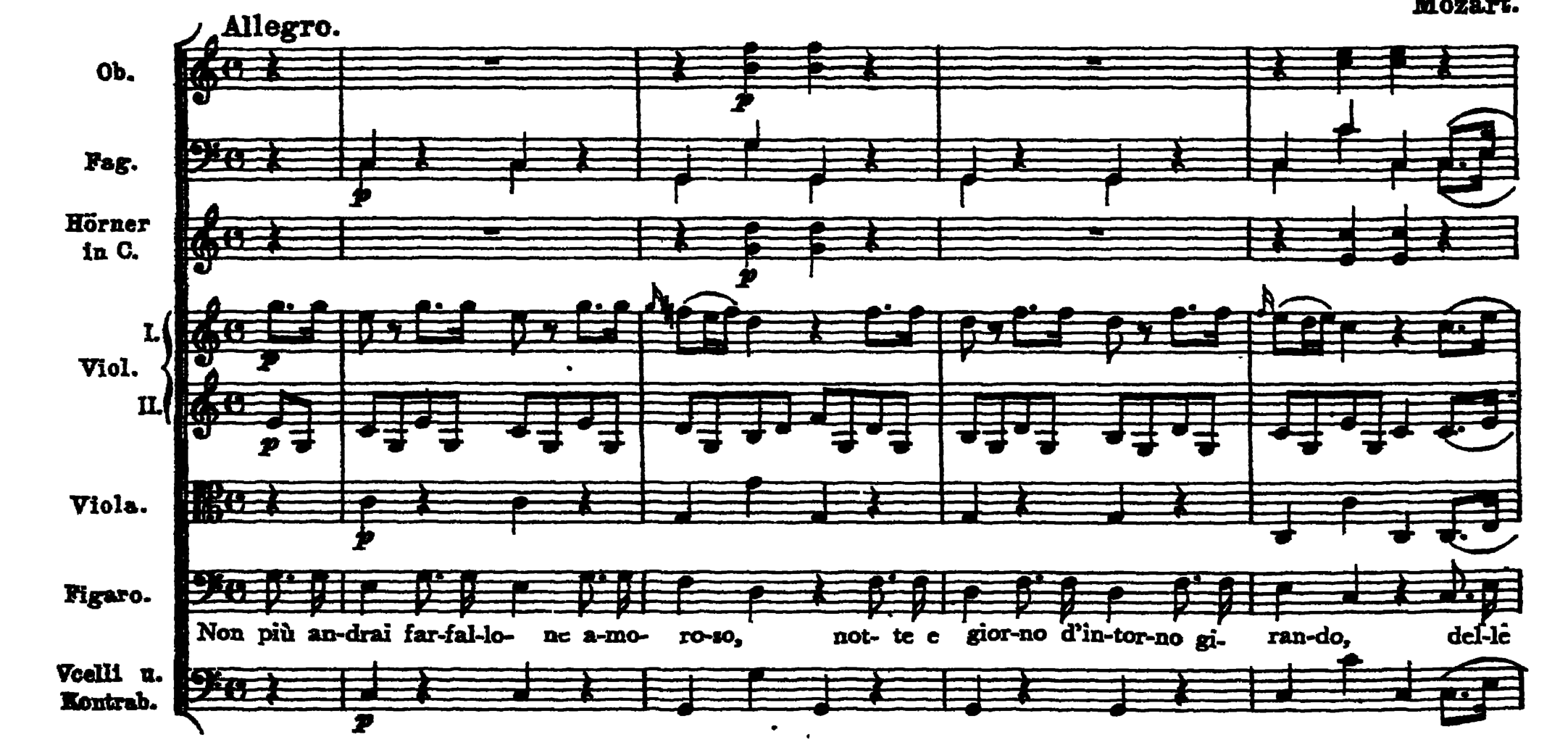
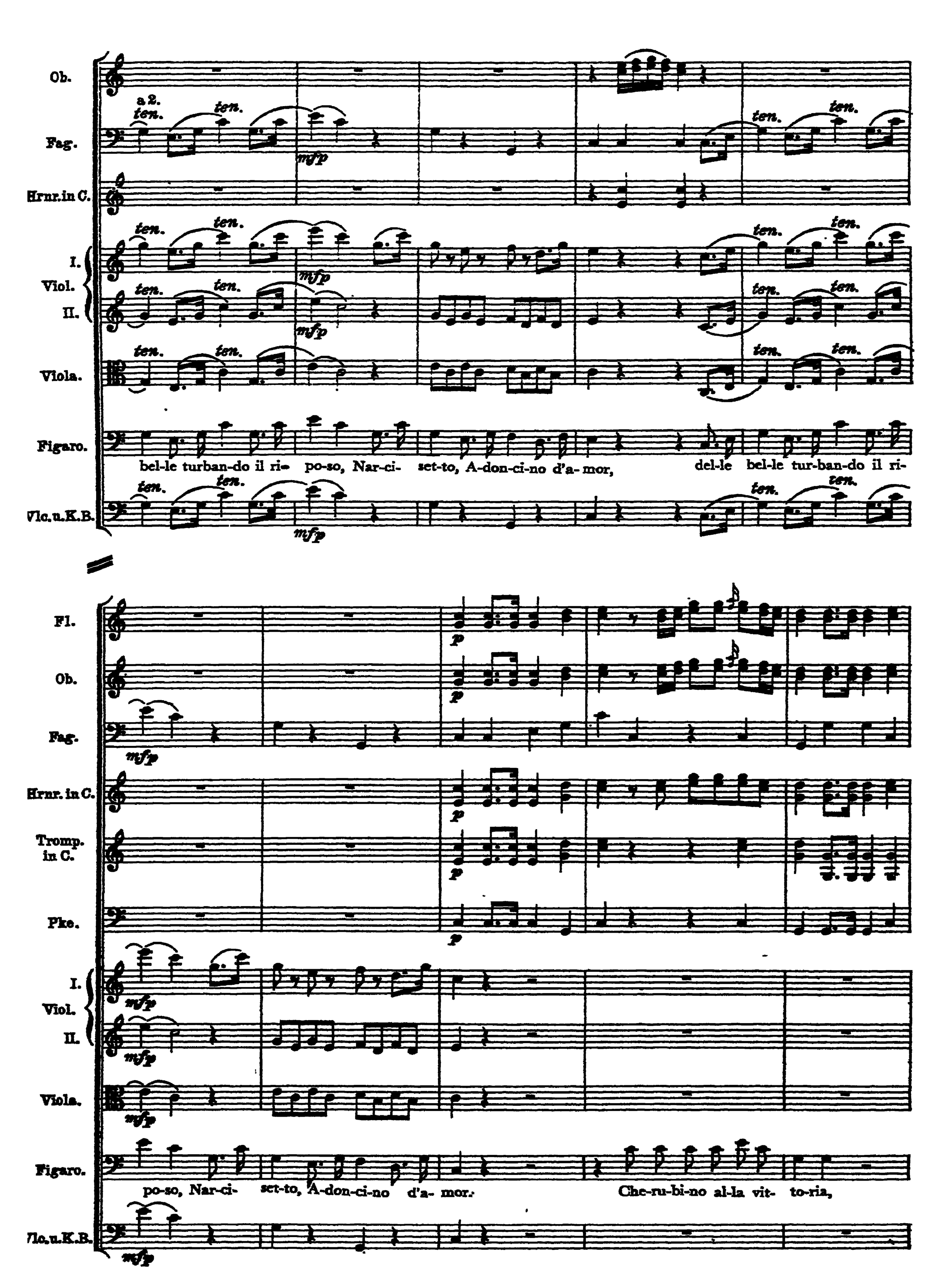
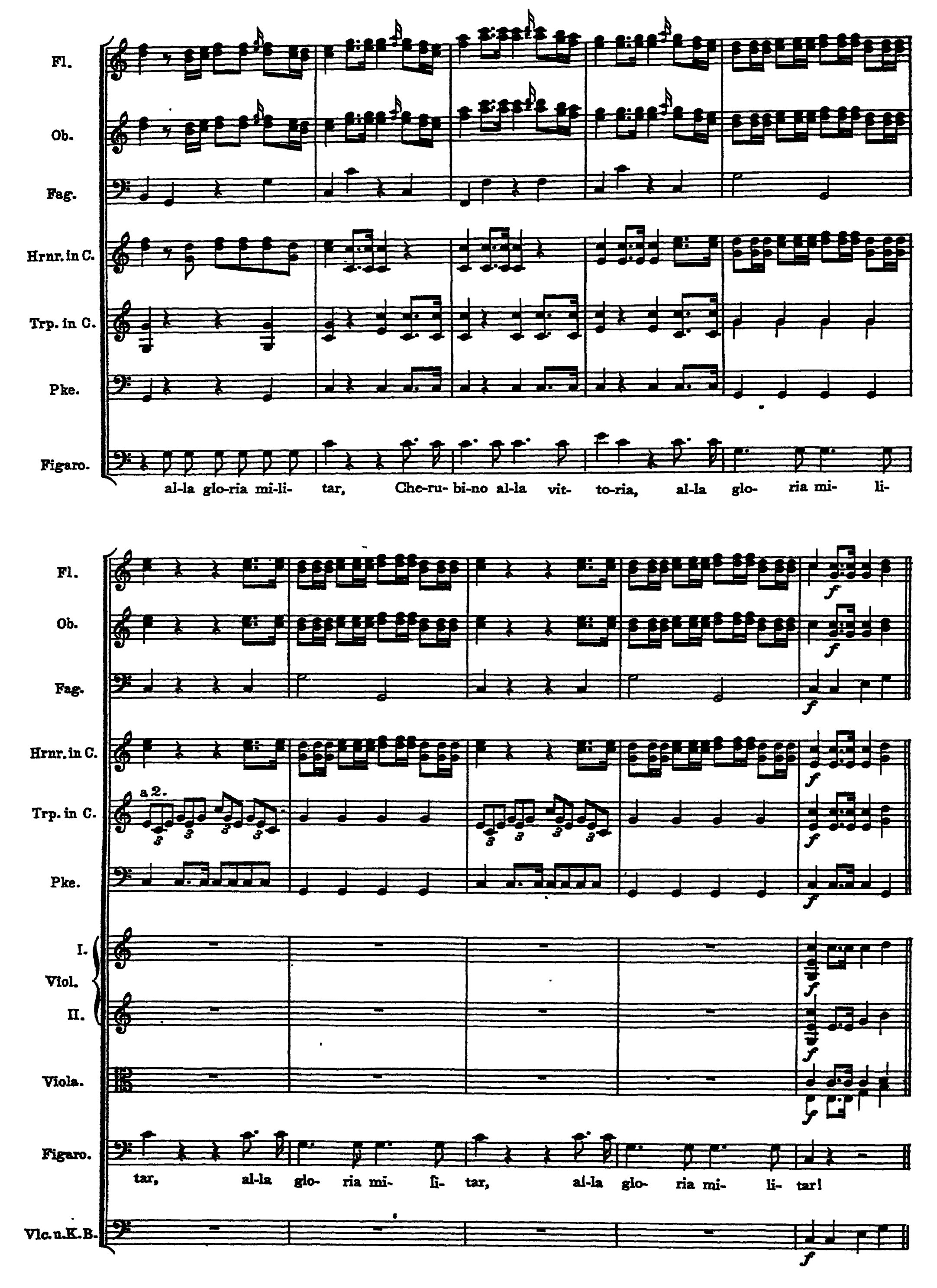
No. 58. Le Nozze di Figaro, Act I
Non pid an-drai far-fal-lo- nc a-mo- ro-so, not- te e gior-no d’in-tor-no gi. ran-do, del-le
vance that this applies also to most of the other wind instruments. Only those of extremely strong volume or with very distinctive peculiarities of tone offer an exception. They cannot be treated for purposes of general harmony like other instruments without offending both art and common sense. Among these we can put the trombones, ophicleides, double-bassoons, and in many instances also the trumpets and cornets.
Artless grace, pure innocence, mellow joy, the pain of a tender soul—all these the oboe can render admirably with its cantabile. A certain degree of excitement is also within its power; but one must guard against increasing it to the cry of passion, the stormy outburst cf fury, menace or heroism; for then its small voice, sweet and somewhat tart at the same time, becomes ineffectual and completely grotesque. Even some of the great masters—Mozart among them —did not avoid this error entirely. In their scores we find passages whose passionate contents and martial accents contrast strangely with the sound of the oboes executing them. This causes not only thwarted effects, but also startling disparities between stage and orchestra, between melody and instrumentation. The theme of a march, however vigorous, beautiful and noble it may be, loses its nobility, vigor and beauty when played by oboes. It may possibly preserve its character if given to the flutes; played by clarinets, it almost invariably retains its full power.
Only in pp have martial rhythms been employed successfully—to imitate trumpets played in the disstance (especially by Mozart). Cf. Figaro’s aria (Example 58).
Occasionally, however, oboes have to be used in pieces of a martial nature in order to give more weight to the harmony and to reinforce the other wind instruments. Since its sound is not suitable for this style, the oboe part should be written so that it is completely covered by the other instruments. It should blend with the ensemble so as not to be recognizable as an individual instrument. The lower tones of the oboe, unpleasant when used prominently, may be combined very effectively in certain strange and lamenting harmonies with the low tones of the clari-
net and the low D, E, F, G of the flutes and English horns.
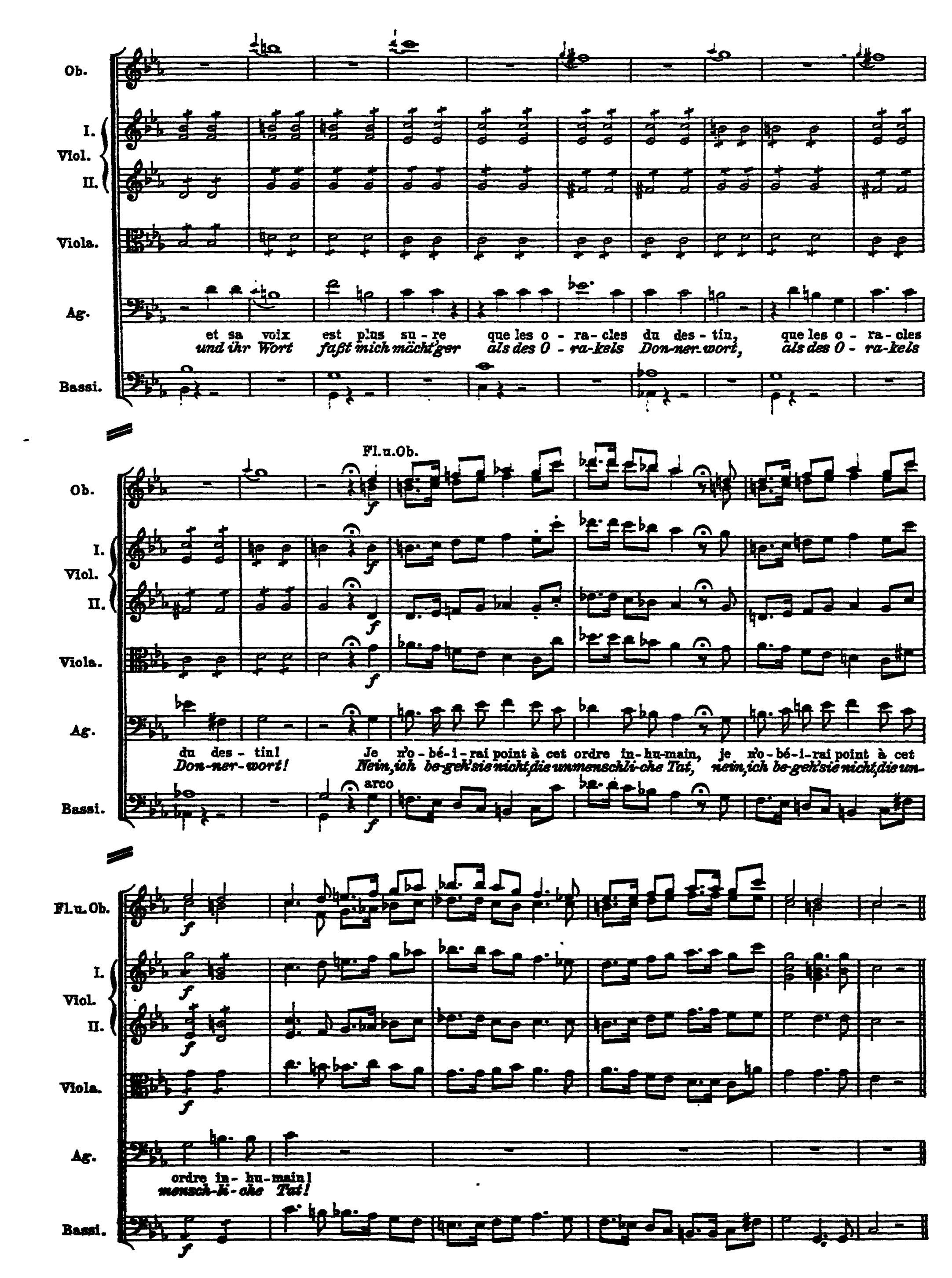
Gluck and Beethoven showed admirable understanding for the use of this valuable instrument; the profound effect of several of their finest pages is due to the oboe. Concerning Gluck, I need only mention the oboe solo in Agamemnon’s aria in “Iphigénie en Aulide” (‘‘Peuvent-ils ordonner”). What other instrument could so poignantly express these laments of an innocent voice, this prolonged and ever more urgent supplication? (Example 59.)
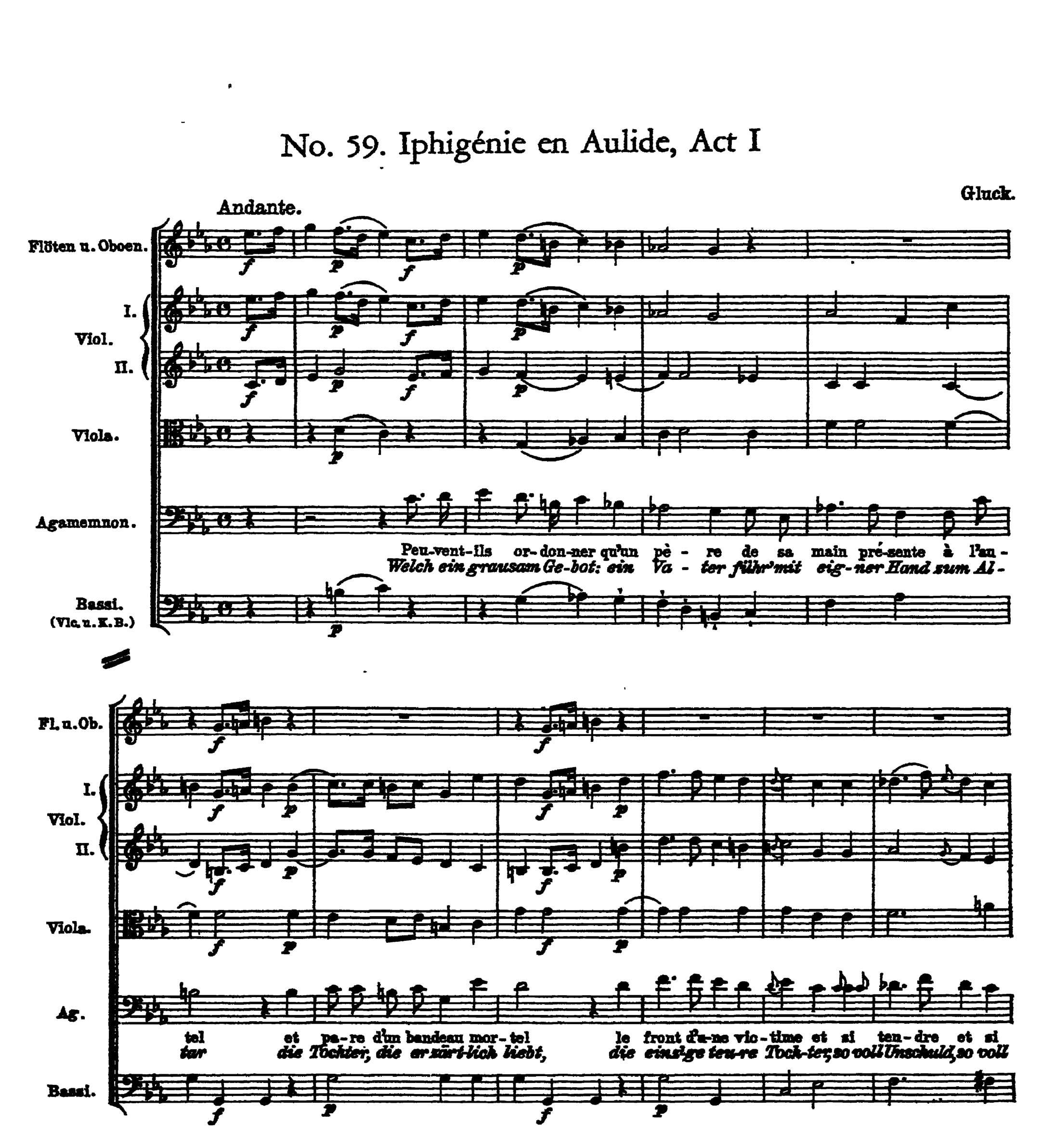




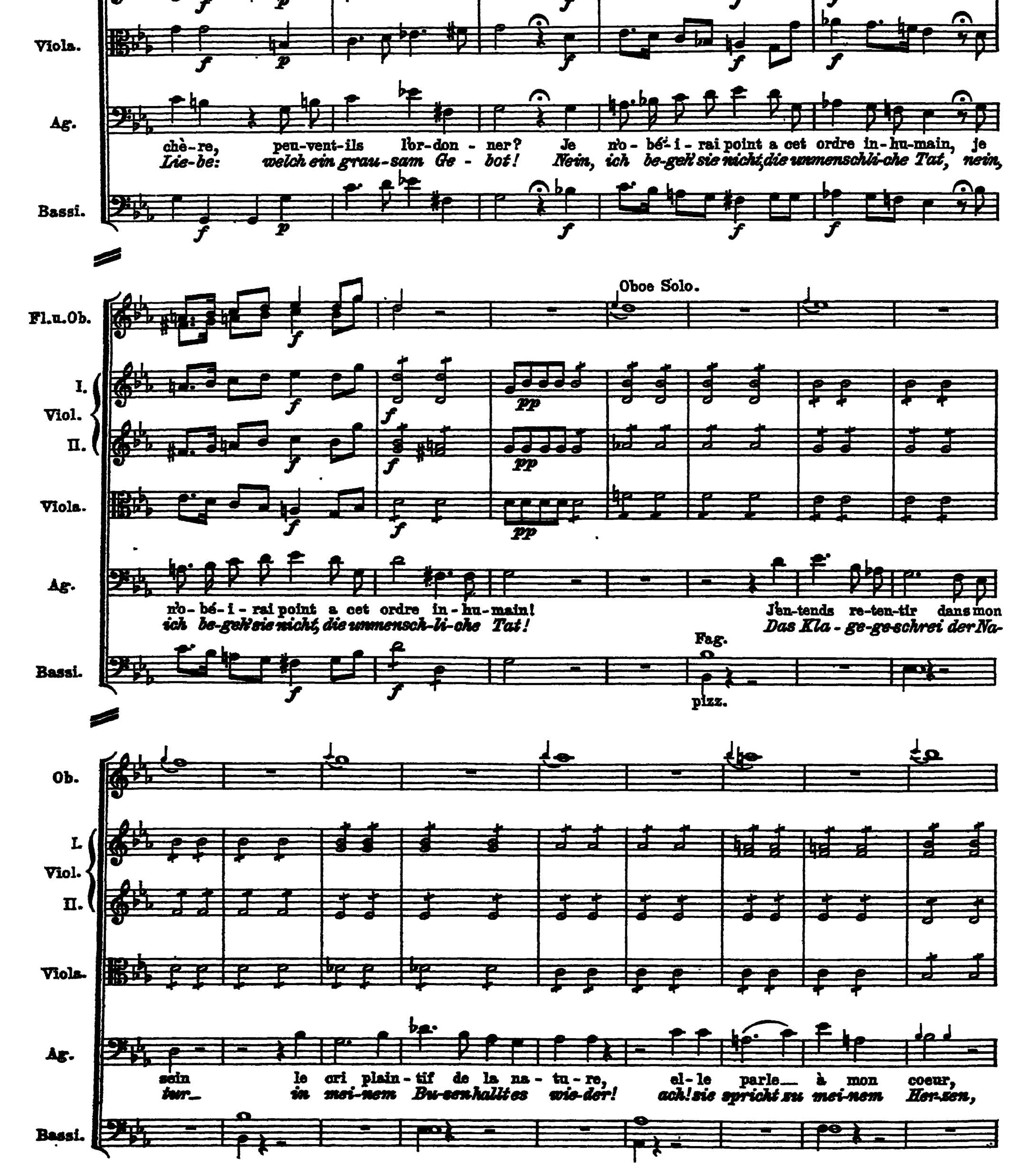
- rai point a cet ordre in-hu-main, je
Consider, too, the famous ritornelle in the aria from “Iphigénie en Tauride”: “O malheureuse Iphigénie!”’ (Act II, Scene 4). Again, the childlike cry of the orchestra when Alceste, in the enthusiasm of her heroic self-sacrifice, is struck by the recollection of her two little sons and suddenly interrupts the theme “Eh, pourrai-je vivre sans toi?” to respond to the touching appeal of the instruments with her heart-
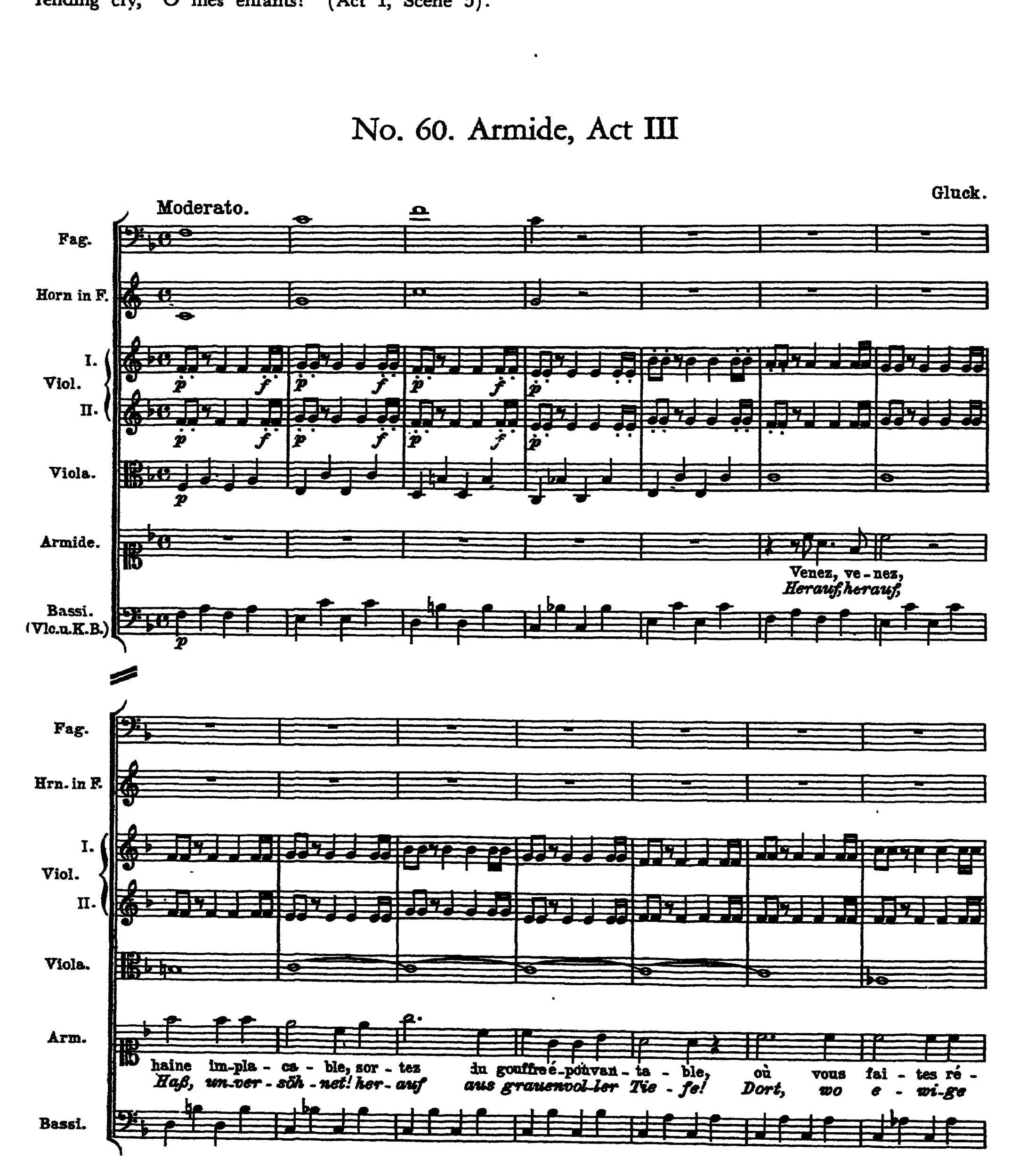
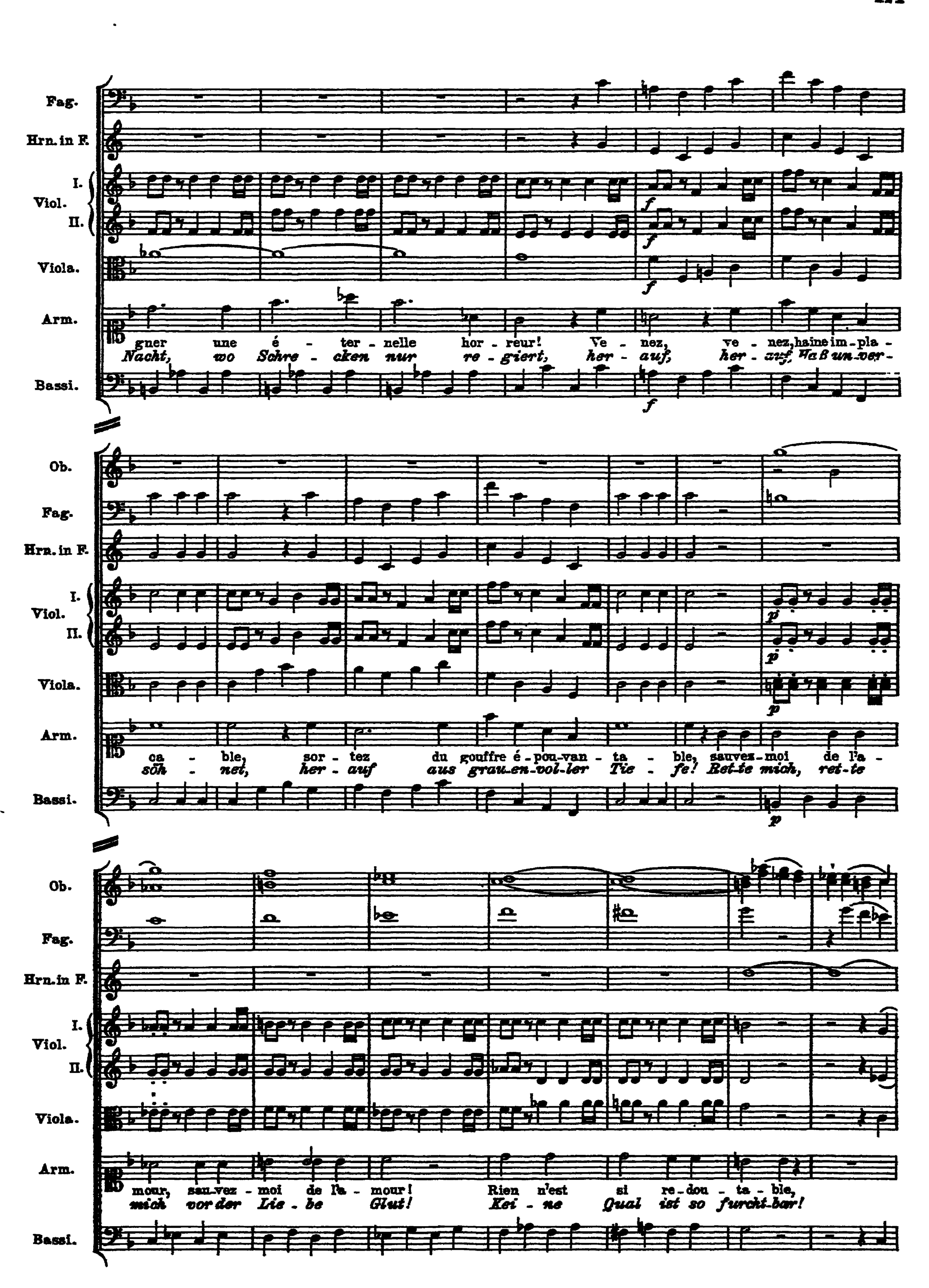
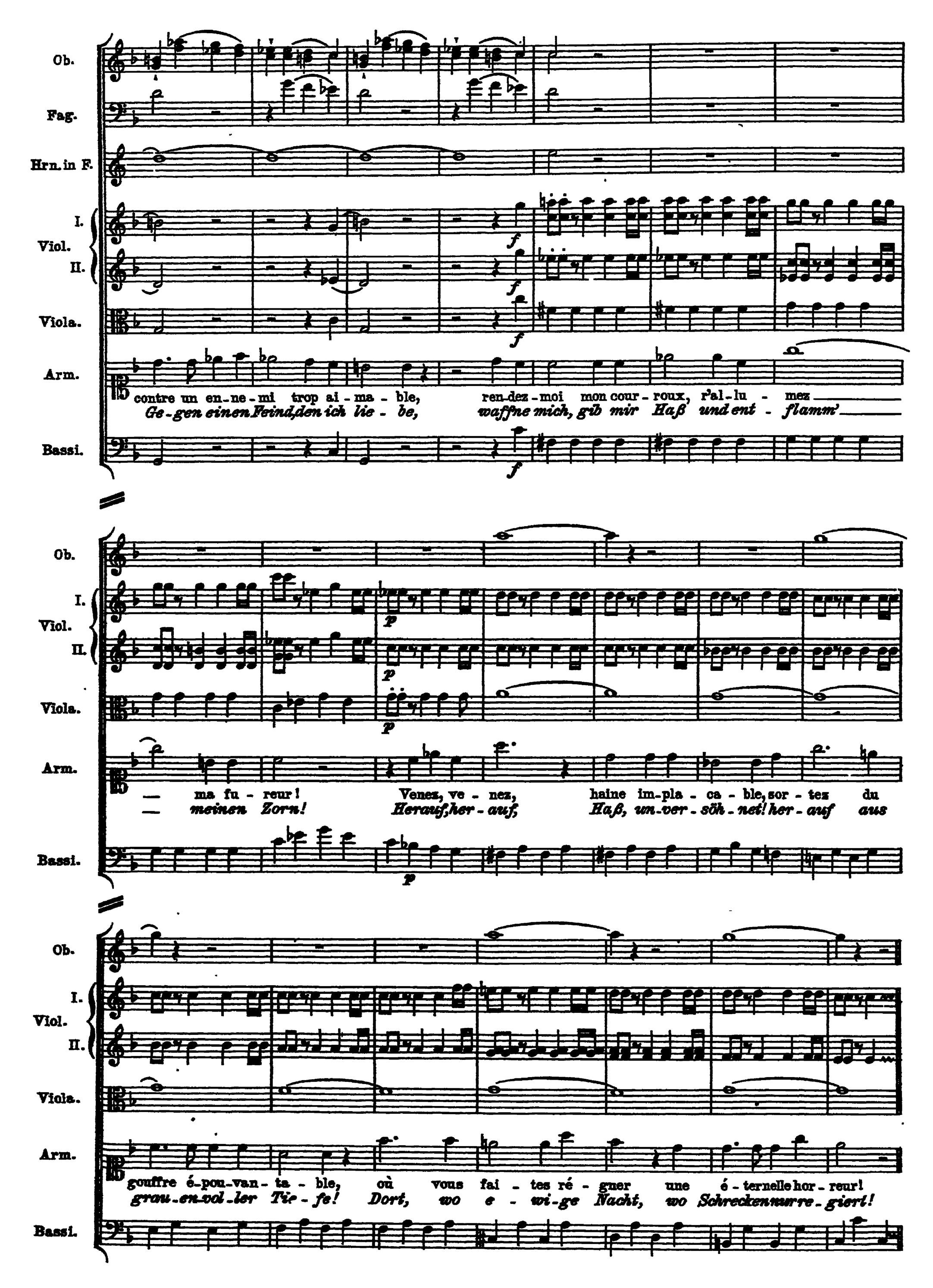
Finally, let us mention the discord of the minor second in Armida’s aria, with the words “Sauvez-moi de Yamour” (Example 60). All this is sublime—not only in its dramatic idea, its profound expression and in its melodic grandeur and beauty, but also in its instrumentation and the admirable choice of the oboe as the instrument most adequate and appropriate for creating such impressions.
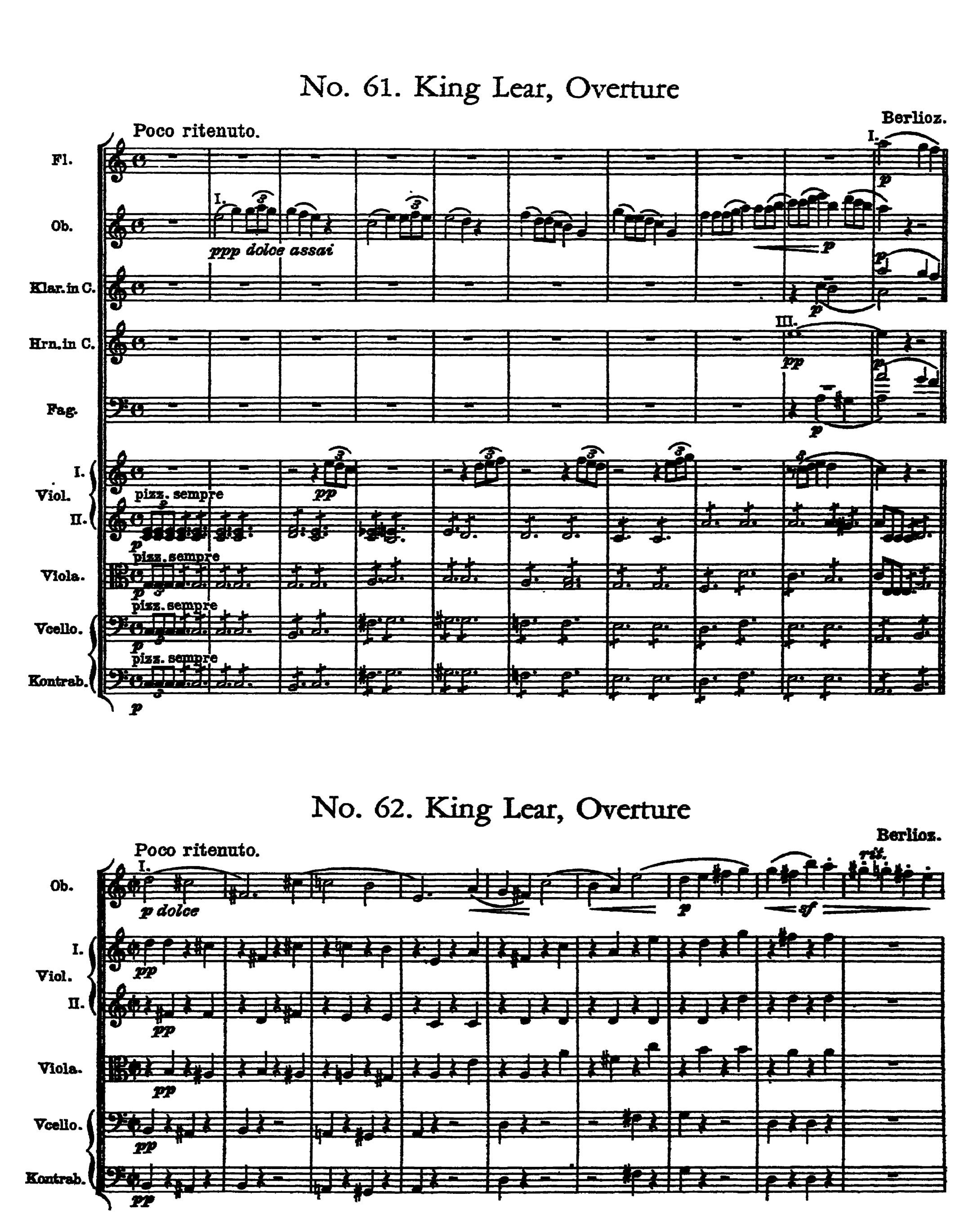
3 Examples of _extended oboe melodies, invented the overtures to “King Lear” and “Cellini”, and with the peculiar character of the instrument in in the “Symphonie Fantastique”. {Examples 61 mind, are to be found in Berlioz’ works. such as g and 62.,.
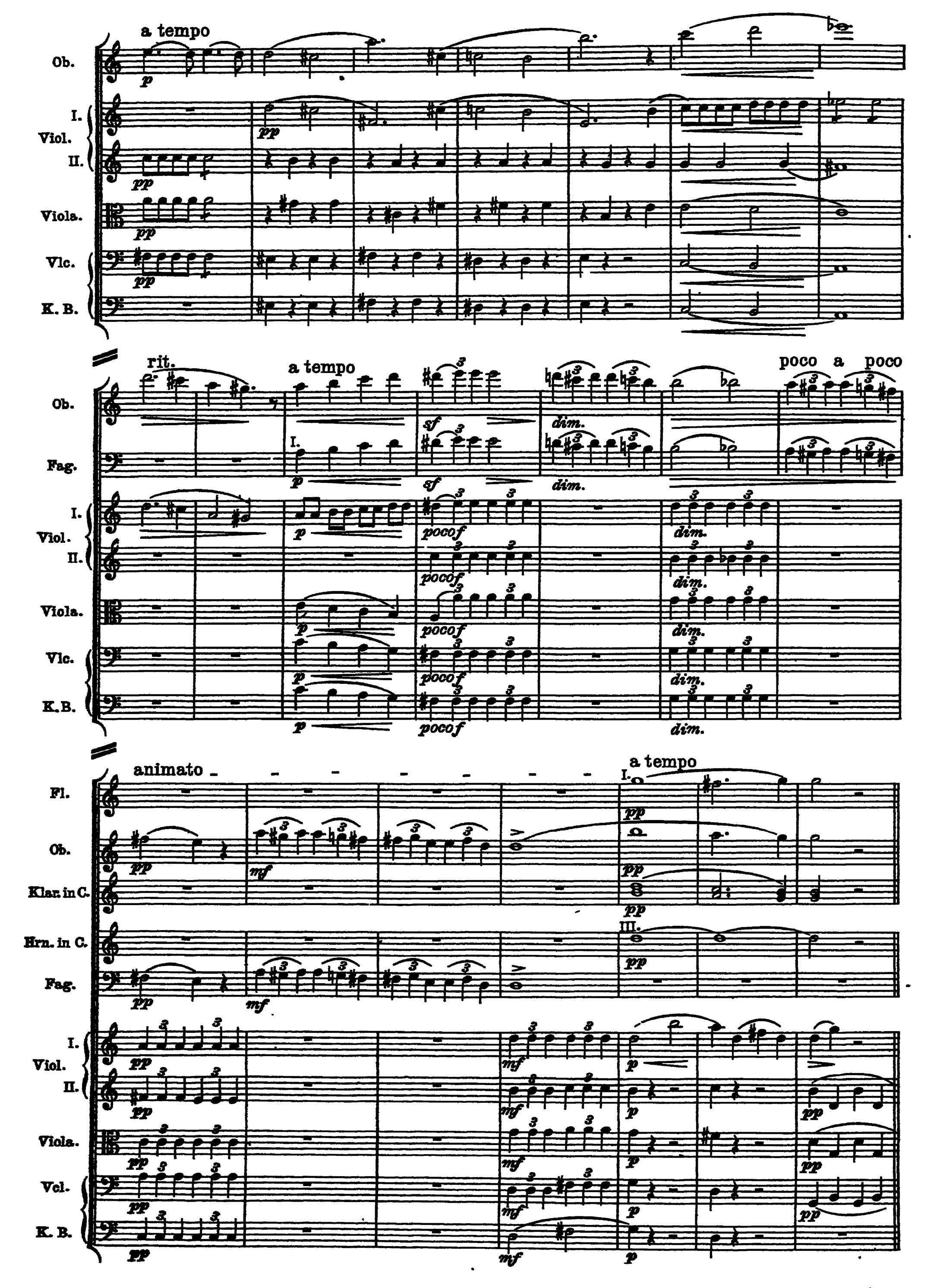
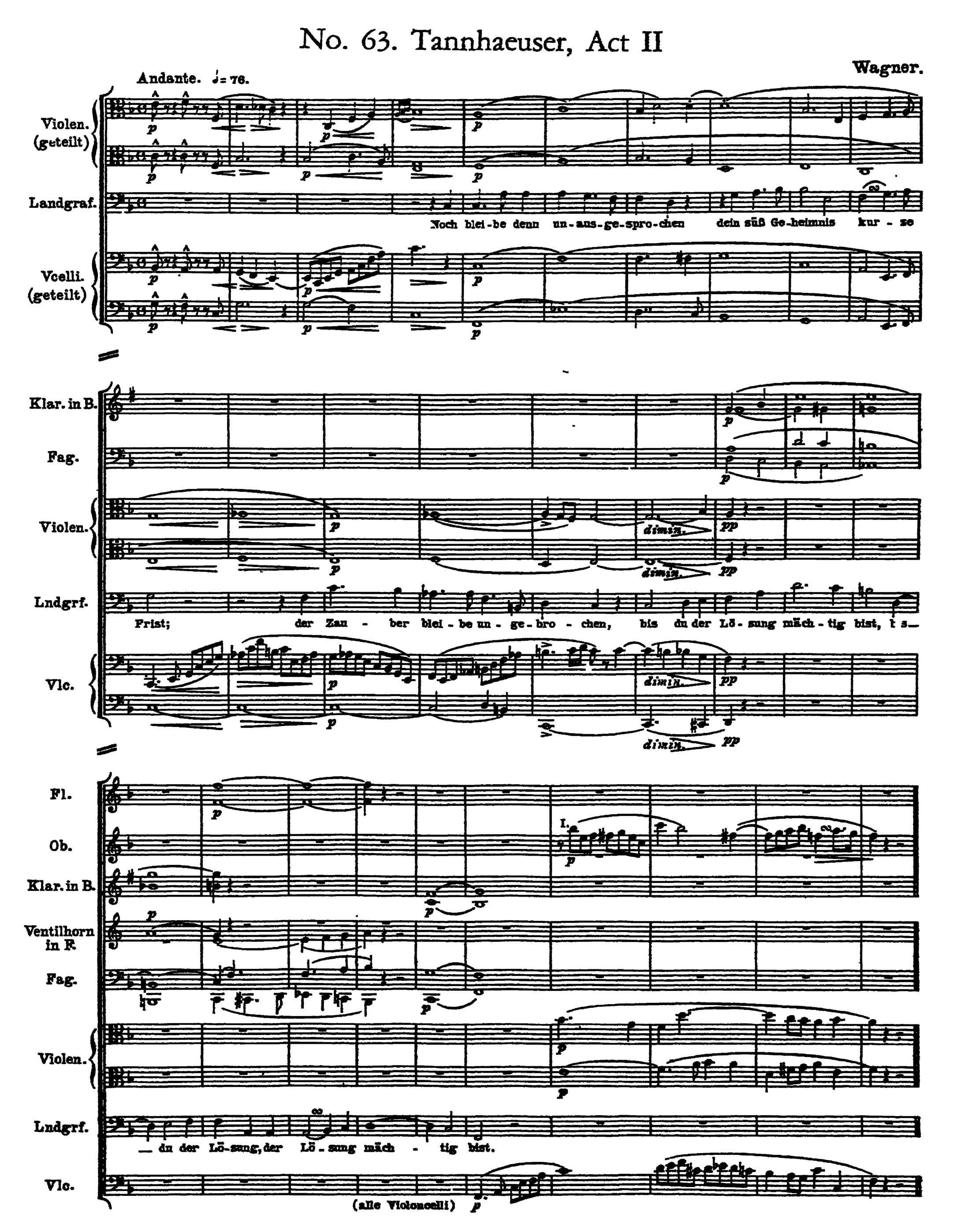
No other instrument could reveal the sweet; as the oboe in “Tannhaeuser”. ‘Example 63.)
secret of love’s innocence in such affecting tones
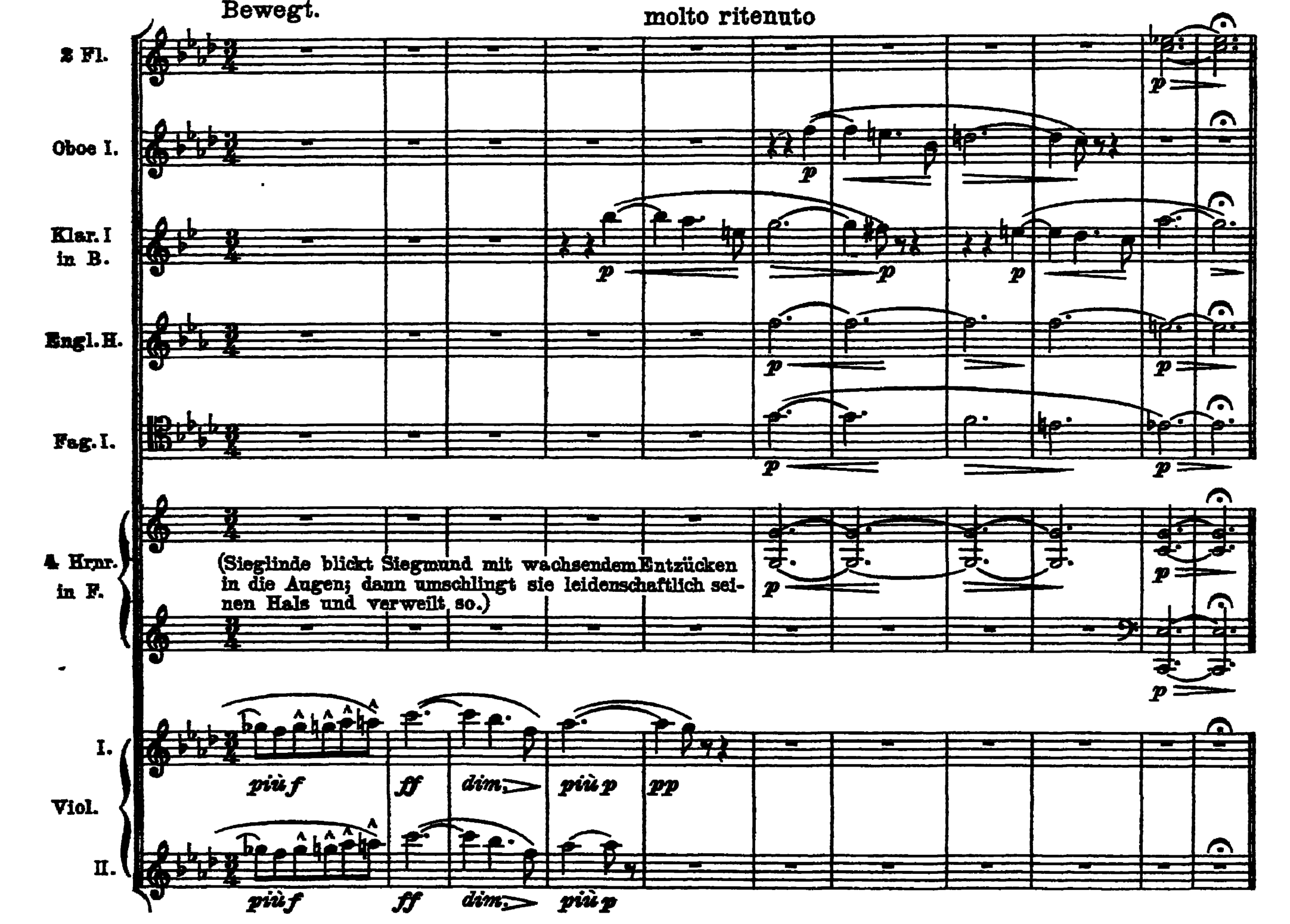
As a rule, however, Wagner rarely gives ex-
tended melodies to one instrument alone. He pre-
fers the method of distributing melodies among
No. 64. Walkuere, Act
in F. in die Augen; dann umschlingt sie leidenschaftlich sel- | p —==<t—— —r_ P
intricate combinations of several instruments. A classical example of this is to be found in the second act of “Walkuere” (Example 64).
Wagner.
The oboe with its thick and impudent low tones and its thin and bleating high tones, especially if
ted, is very suitable for humor-.
they are ous effects and for caricature. The oboe can rattle, bleat, scream just as well as it can sing and lament nobly and innocently, or play and warble cheer-
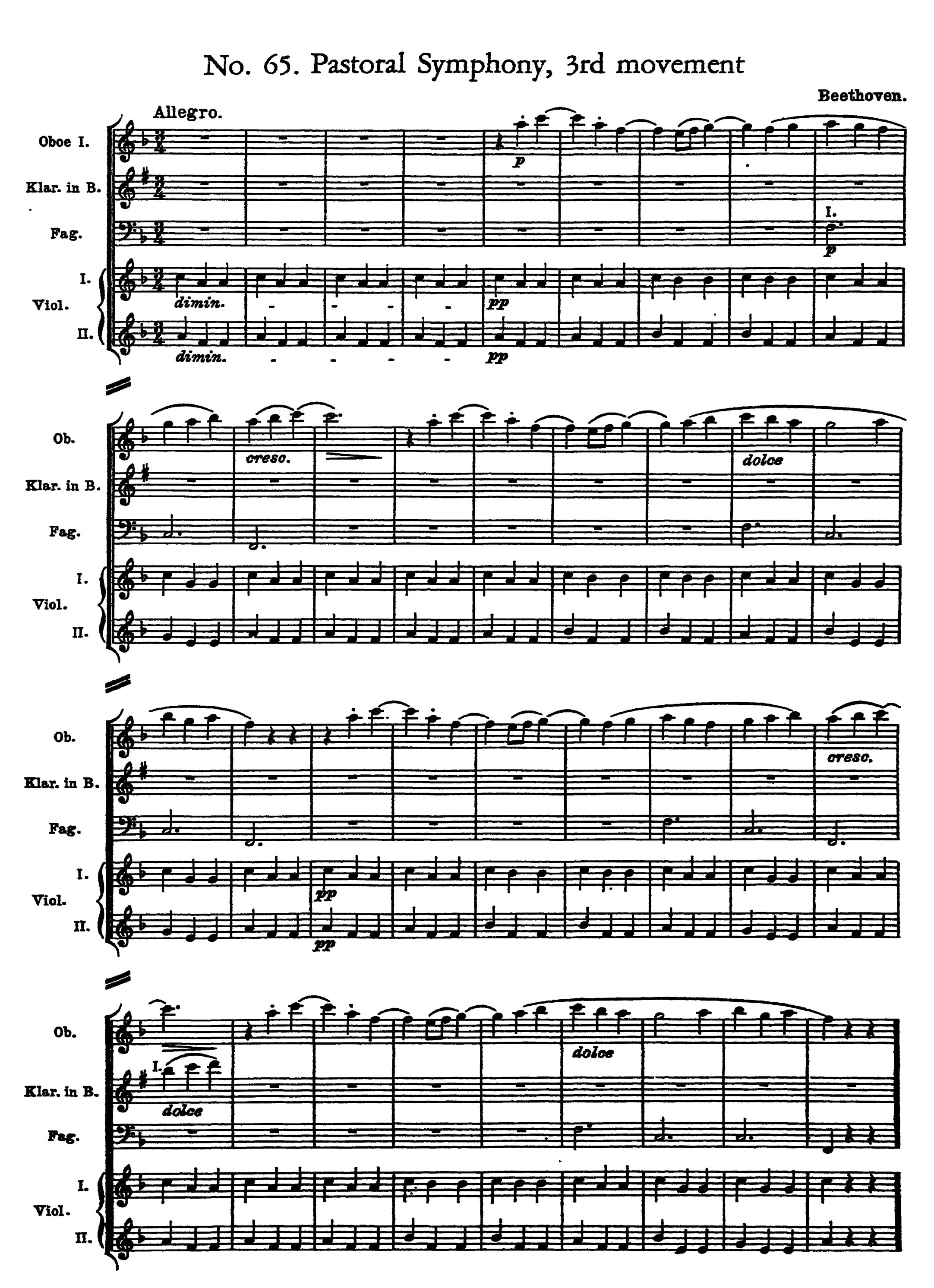
Beethoven used predominantly the gay expression of the oboes. Examples of this are to be found in the solo in the Scherzo of the Pastoral Symphony (Example 65), in the Scherzo of the Ninth Symphony,
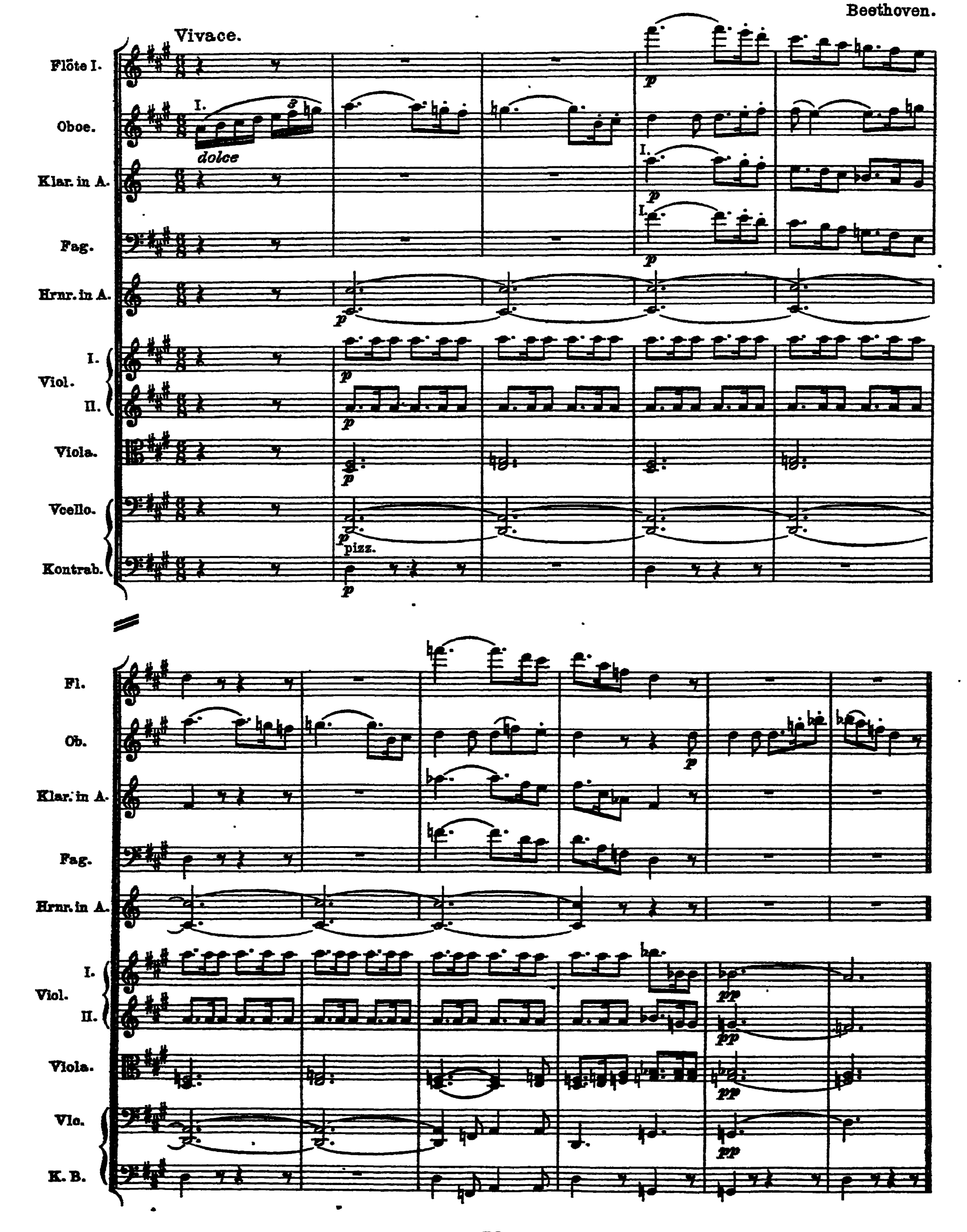
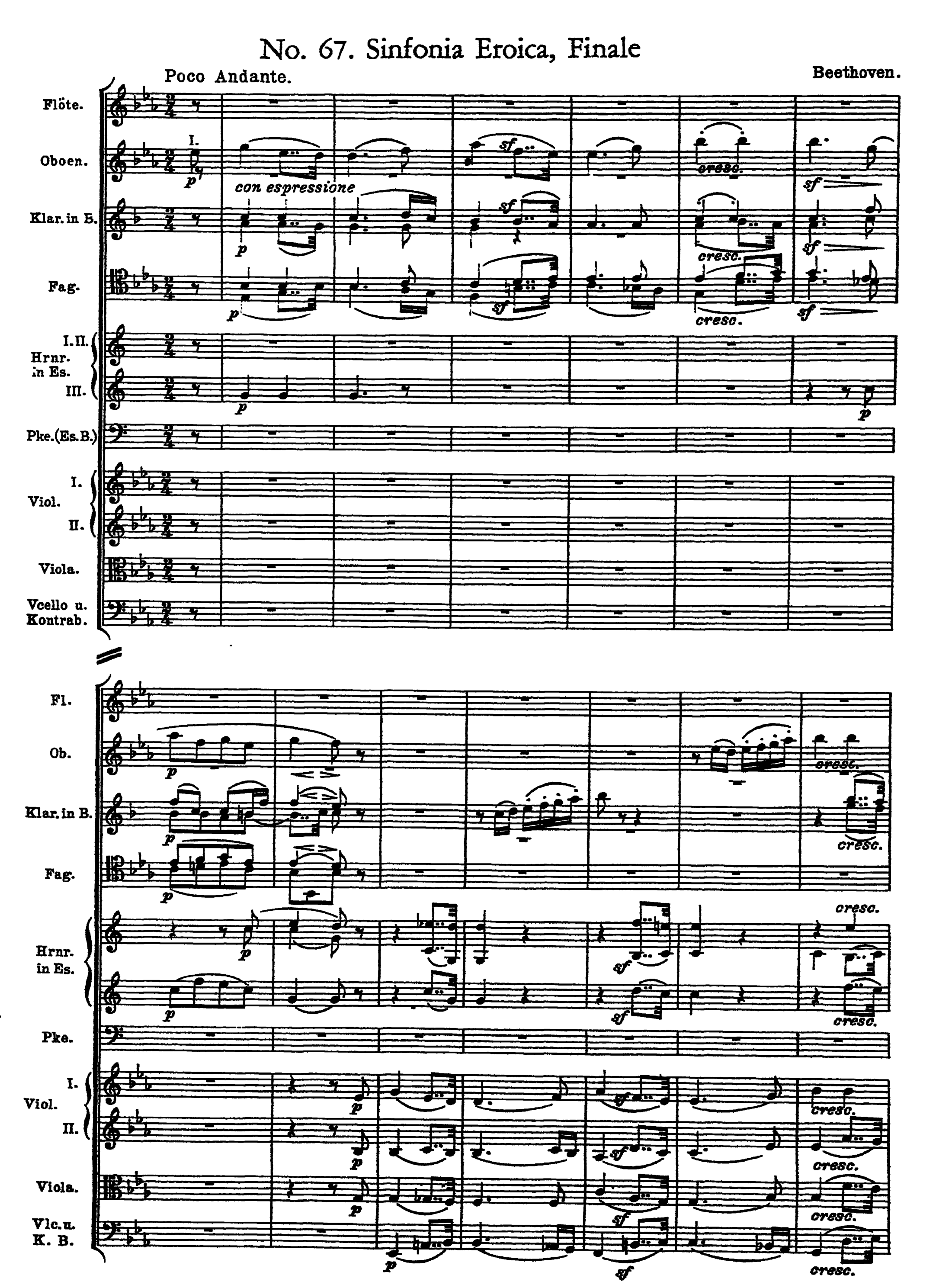
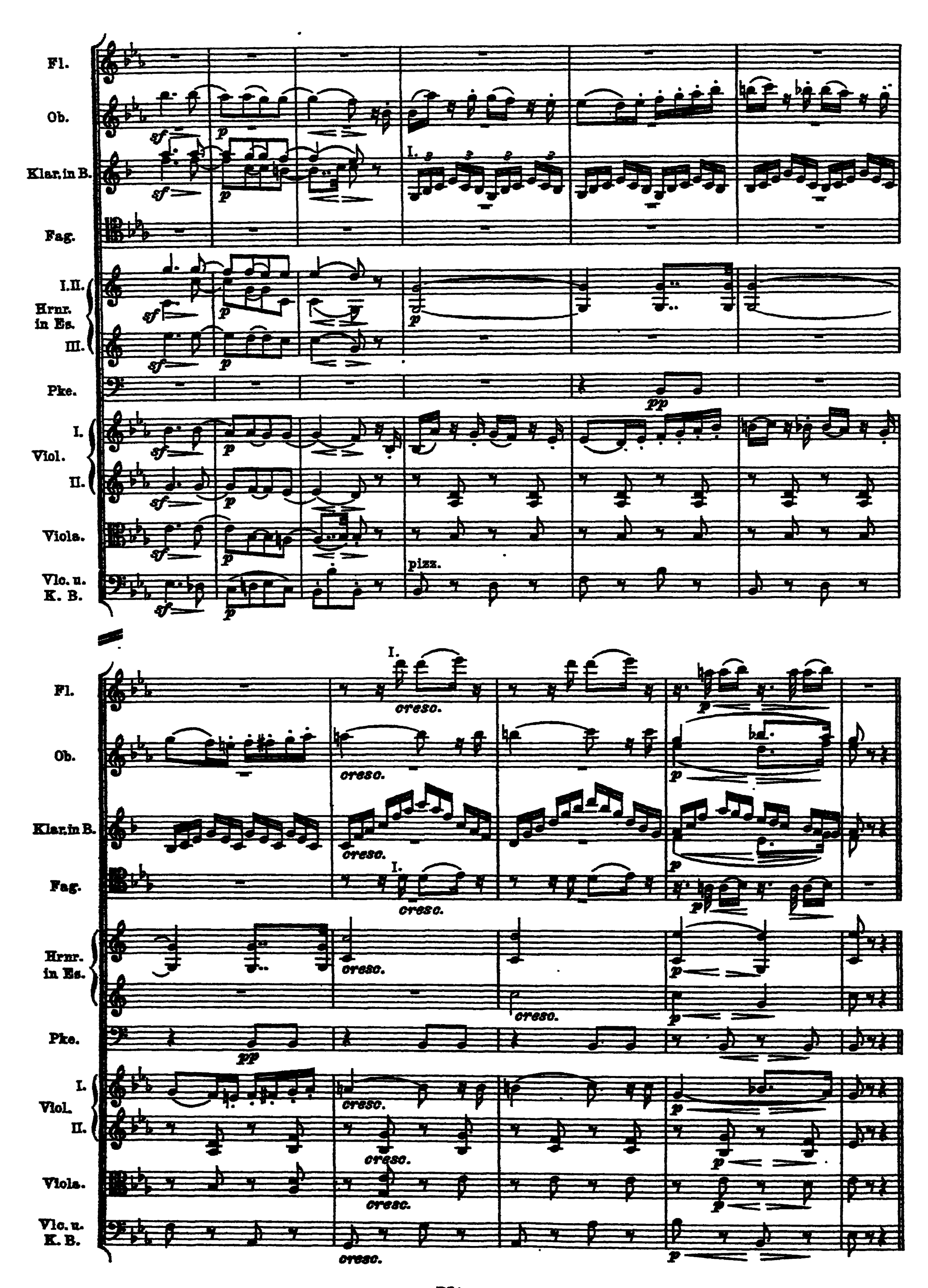
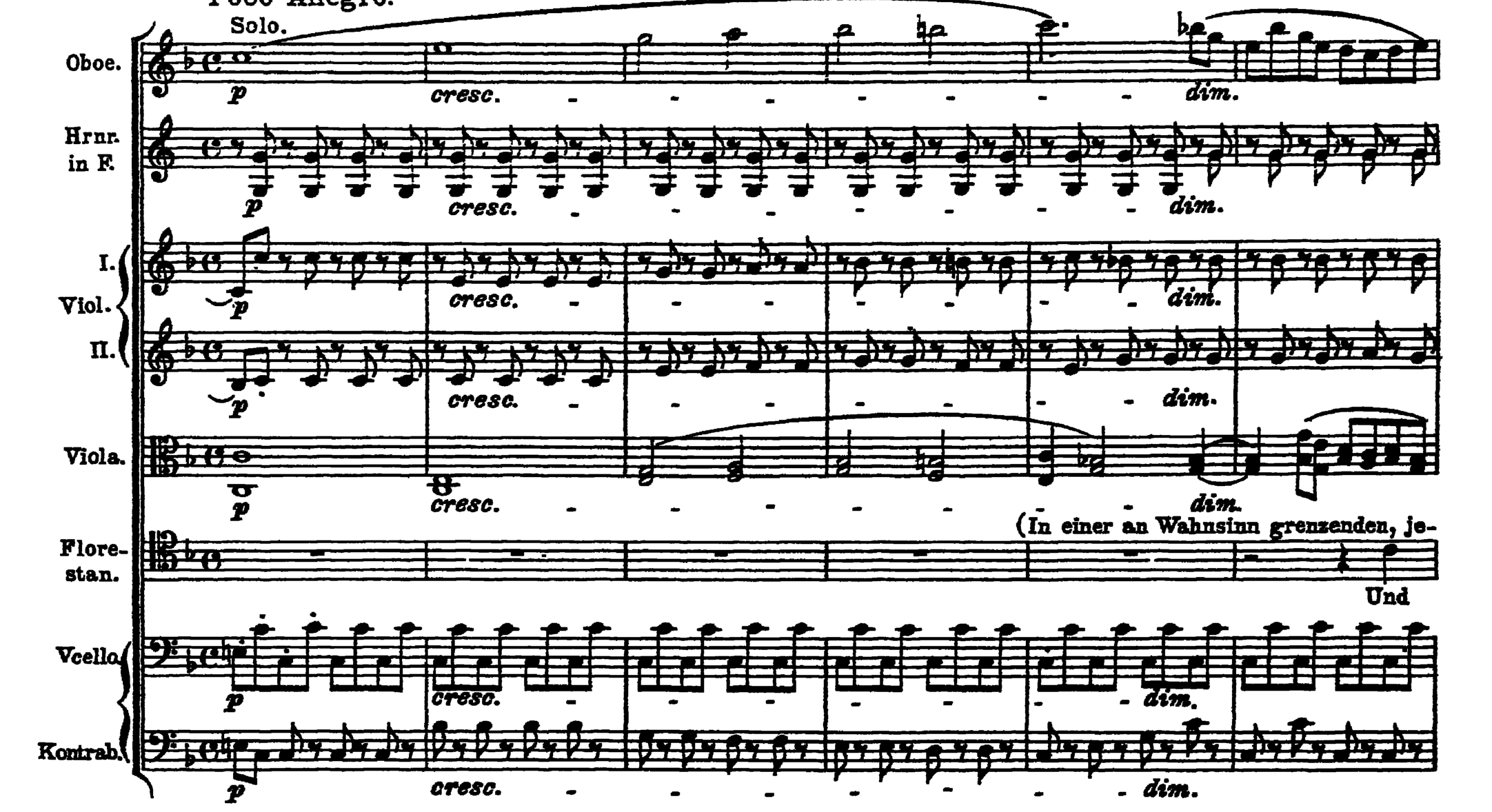
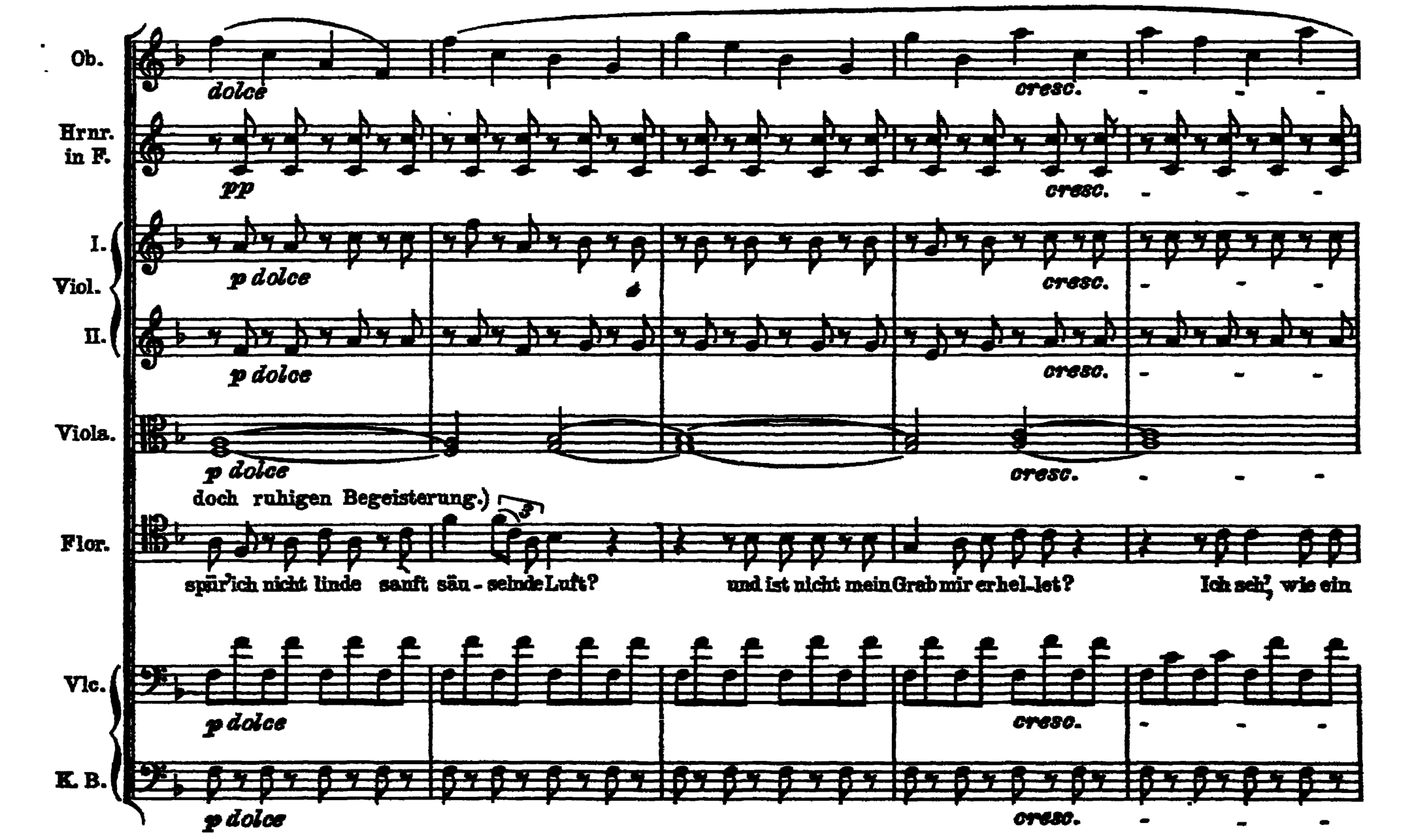
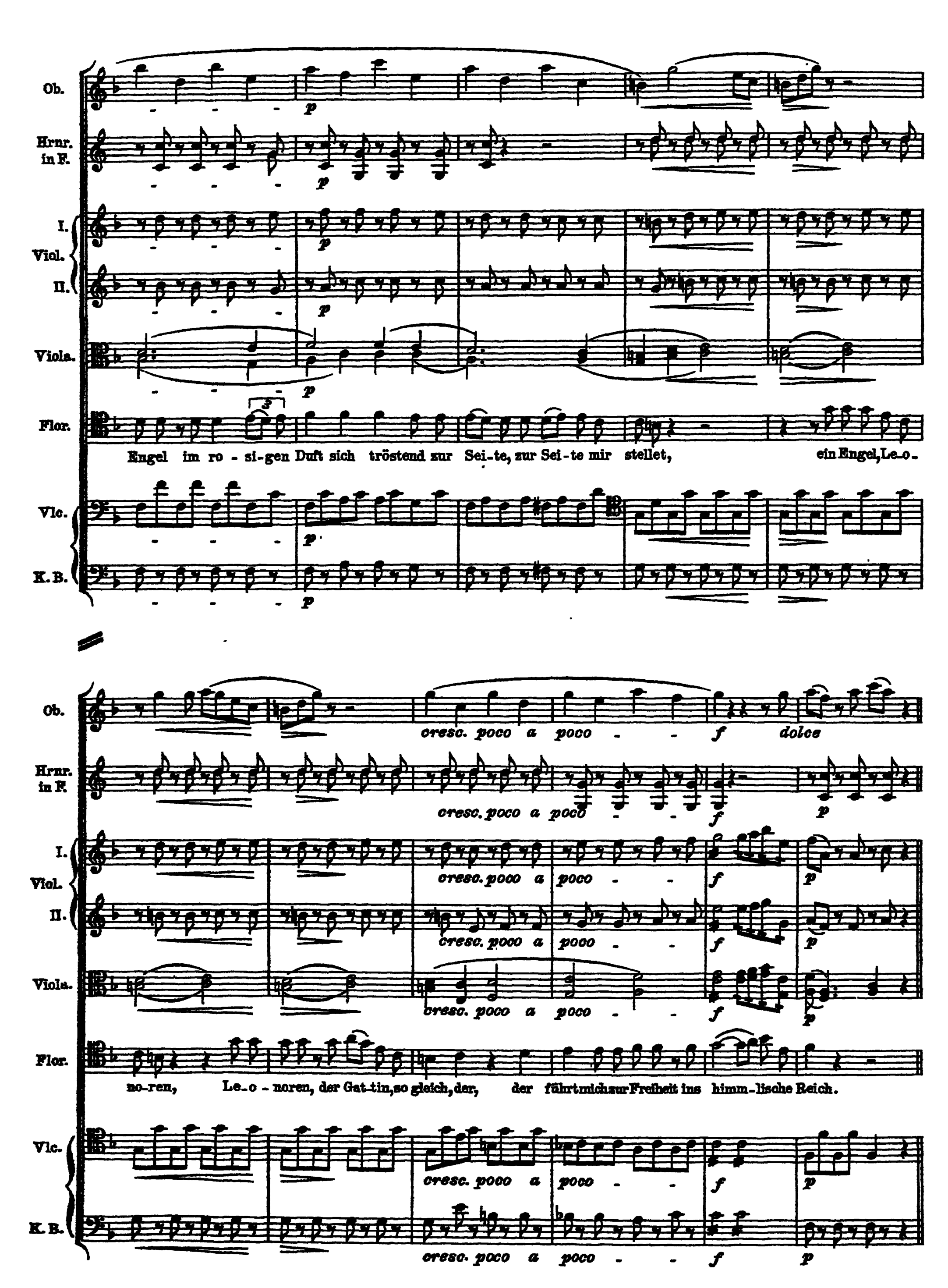
in the first movement of the Bb-major Symphony, etc. But he was no less successful in assigning tones of sadness or despair to the oboe. This is illustrated by the solo in minor, in the recapitulation of the first movement of the A-major Symphony, in the episodic Andante of the “Eroica” finale, and particularly in the aria in “Fidelio” where the starving Florestan imagines seeing his weeping wife in his delirious agony and mingles his ished cries with the sobs of the
No. 66. Symphony in A major, 1st movement
No. 68. Fidelio, Act II
| an Tt [' A Hl t i L L mi tL i |e ee ae [oe ee ee
peepee Bence rate aesatsesaaeatsS2as=a=
' The French instruments are of finer workmanship, their registers are more even, they respond more easily in
wewewewe www ew ------ |
the treble and allow a softer pp on low tones. Correspondingly, the style of playing and the tone of French oboists is by far preferable to that of the German players. Some German “methods" try to produce a tone as thick and trumpet-like as possible, which does not blend in at all with the flutes and clarinets and is often unpleasantly prominent.
The French tone, though thinner and frequently tremulant, is much more flexible and adaptable; yet, when