Playable Books
Hector Berlioz · section 29 of 67
The Trumpet
Read and hear this section in the playable edition →

Its range is approximately the same as that of the French horn; it has the same matural open tones. one octave higher. It is written in the G-clef,.
} high keys 1g
Some perfurmers succeed to a degree in producing stopped tones on the trumpet by introdzcing the hand into the bell, as on the horn. But the effect of these tones is so bad and their intonation is so uncertain that the great majority of composers have wisely abstsined and are continuing to abstain from using them. The
high F ——. however. should be excepted from this
worst of all. The trumpet in D> has the most beautiful tone; it is very brilliant and of pure intonation, But this instrument is hardly ever used becarse most composers do not know of its existence.
What has bern said above of the notes at the two extremes uf its scale shows that the range of the trampet is not the same in all xeys. Low trumpets. similarly to all other instraments of this type. must avoid the lowest notes. and high trumpets cannot reach the highest notes.
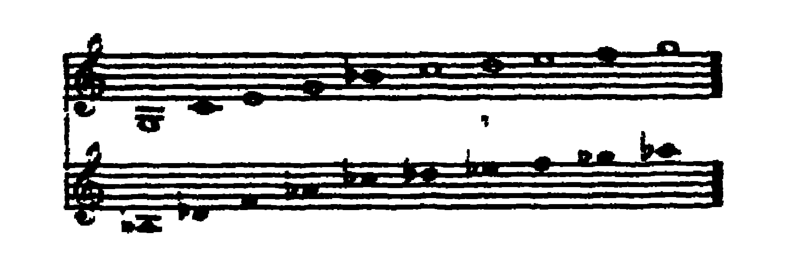
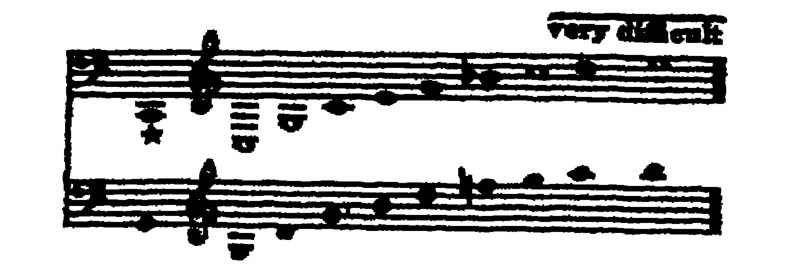
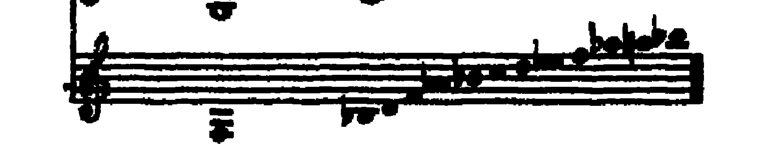
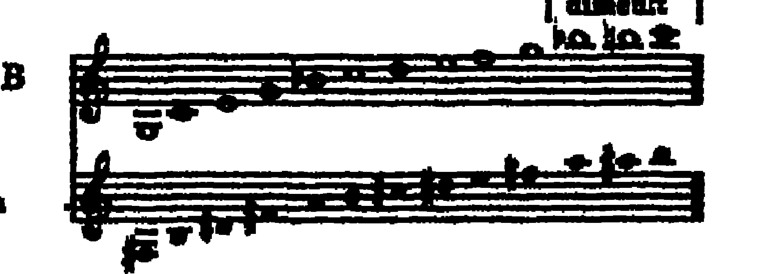
The range of the trumpet in the different keys is as follows:.

Trumpet in iow Ab

proscription and may be considered an open tone. It is produced br the lips only; but since it is always a Jittle too high in pitch, it can be used only as a passing note
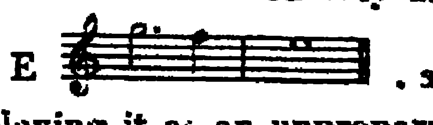
between G and E. and one mest re-
frain from employing it as an unprepared note or from
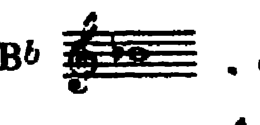
sustaining it. The medium Bo =. on the other
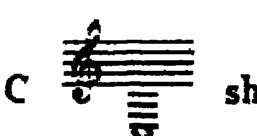
hand. is always a little flat. The low C =
be avoided on trempets in kers lower than F. It sounds weak and rough and is not suitable for characteristic effects. It can be easily replaced by a horn tone, which is better in every respect.,
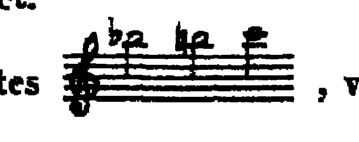
The three highest notes » very hazard-
ous on the trumpets in low A. B® snd C, are impracticable in higher keys. However. the high C can be produced with some effort even on trumpets in E> if it is introduced similarly to the following example:

Such a passage, which most German and English players would attack without hesitation, would be considered very risky in France, where one generally has to overcome great difficulties in employing the brass.
There are trumpets {made in one piece) in BO, C, D, Eb, E, F. G and—very rarely—in high Ab. By means of the lengthening piece previously mentioned in conneetion with the horn. which lowers the pitch of the instrament by a semitone, one obtains trumpets in A, B, Db (or C#) and G5 (or F*). By using a double lengthening piece, which lowers the pitch a whole tone, even a trumpet in low A® can be produced; but this key sounds



Trumpet in Bs

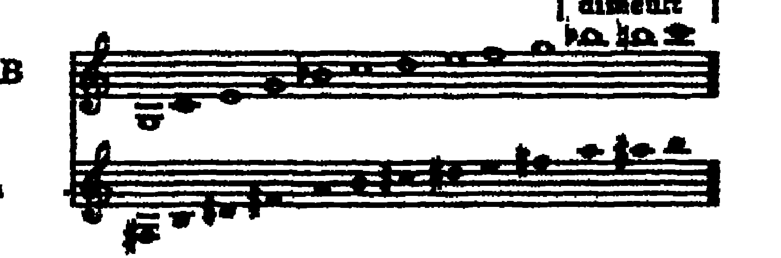
Trumpet in B
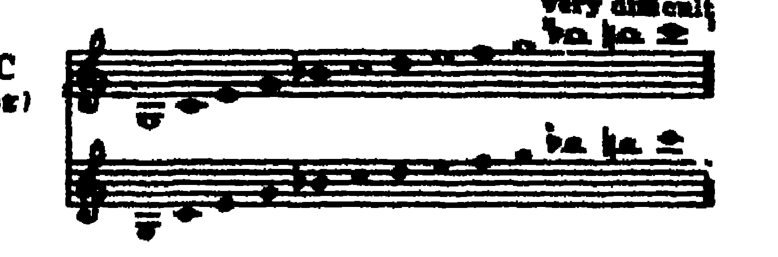
Trumpet in C
(not transposing)
Trumpet in Db

Trumpet in D

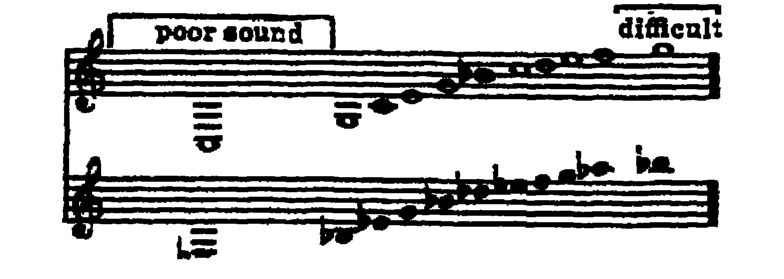
Trumpet in Eb
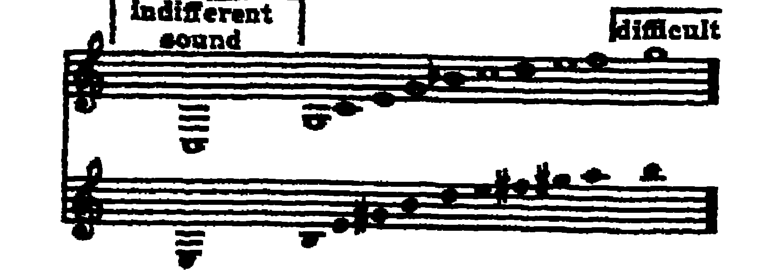
Trampet in E

Trompet in F
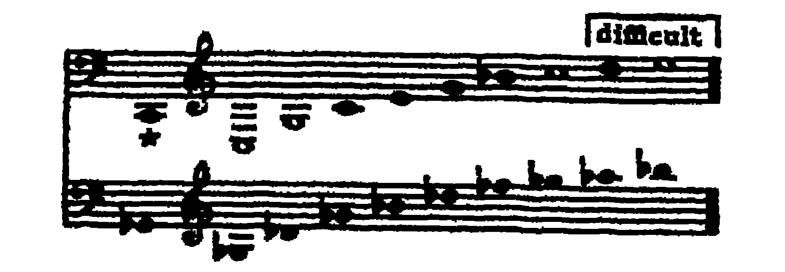
‘Trumpet in Gb
Trempet in G
The low C (marked *), which 1s written in the F-clef, is of excellent sonority in the three high keys (F, G, G). It ean be used very effectively on many occasions.
Trumpets in high Ab are found only in some military bands. Their tone is very brilliant, but their range is stil] smaller than that of the trumpet in G, since they cannot go above the fourth C.

Trumpet in high Ab

Adolphe Sax now makes small octave and tenth trumpets (in high C and high E®) of excellent tone. They should be emplored in all orchestras and military bands.
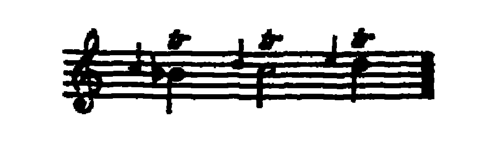
Trills are generally impracticable on the trumpet; in my opinion, they should not be used in the orchestra. The following three trills, however, sound quite well:
All that has been said above concerning the different
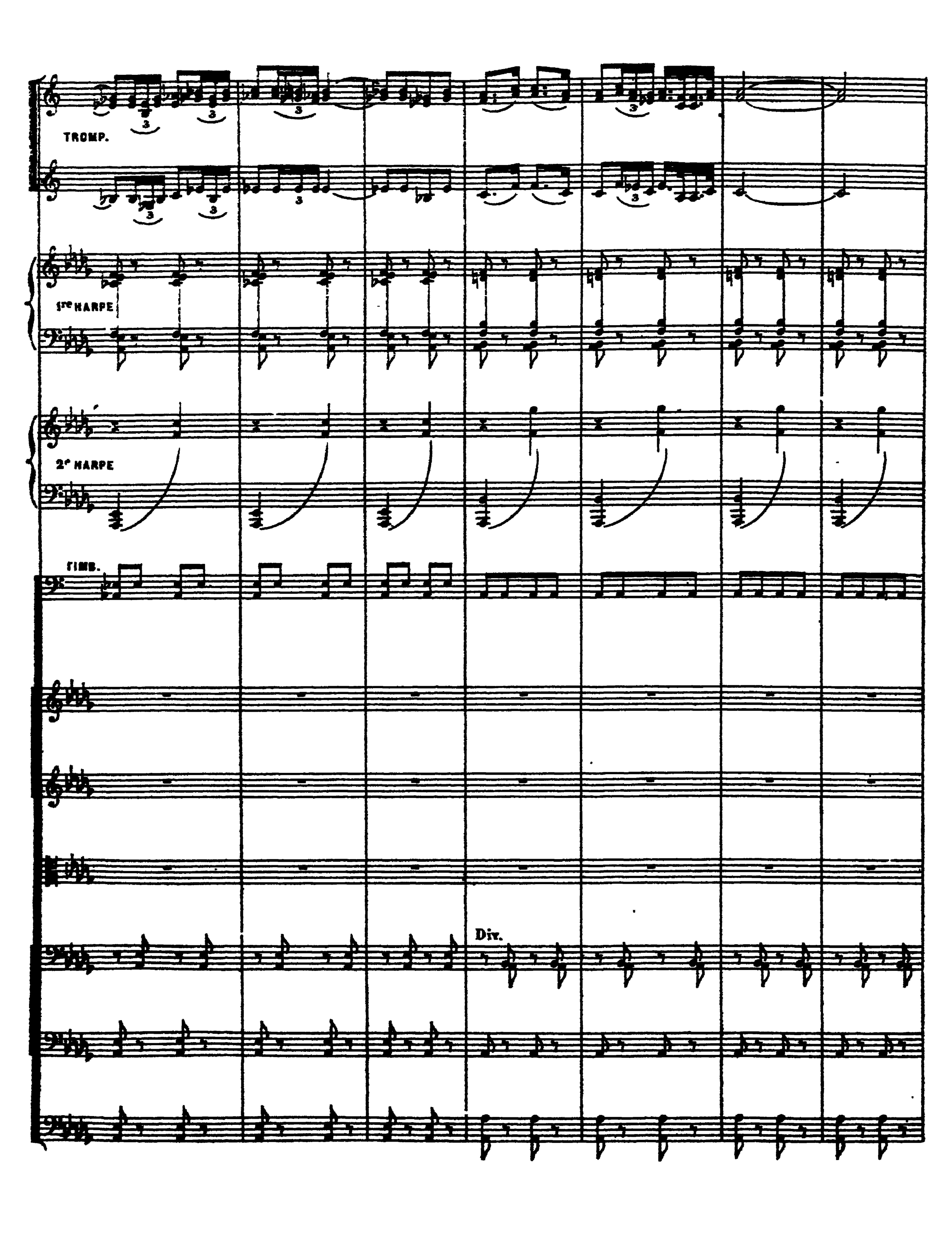
keys of the horns and about the method of taking advantage of them in combination applies equally to the trumpets. It should be added, however, that there is rarely an opportunity for using them in different keys. Most of our orchestras provide the composer with only two trumpets and two cornets, instead of four trumpets. It is therefore better to have two trumpets in the same key since the cornets can complete the harmony; the latter can play all intervals, and their timbre is not so dissimilar from that of the trumpets that they could not blend with them sufficiently in the ensemble. 4 This chapter is now also obsolete. All the composer needs is orchestral technique and tonal imagination; the key in which he writes the trumpet is unimportant. It is best to apply here, too, Wagner's } method of writing in all keys so as to leave the trumpet part in C major as much as possible. One can then leave the choice of the most suitable key to the individual trumpet player.
To the best of my knowledge, trumpet players now prefer the following keys: first trampets—high A, Bb had second trumpets—F, D, E6.
ly in minor keys is it necessary to use trum in two different keys, if there are passages containieg the third and fifth steps of the scale. In G# minor, for instance, if one trumpet is to play G# and B while the other one plays B and D* a third higher (or a sixth lower), it is necessary to employ one trumpet in E (whose EB and G produce G# and B) and another one in B (whose C and E produce B and D#). This is what Meyerbeer did in the great scene of the fourth act of

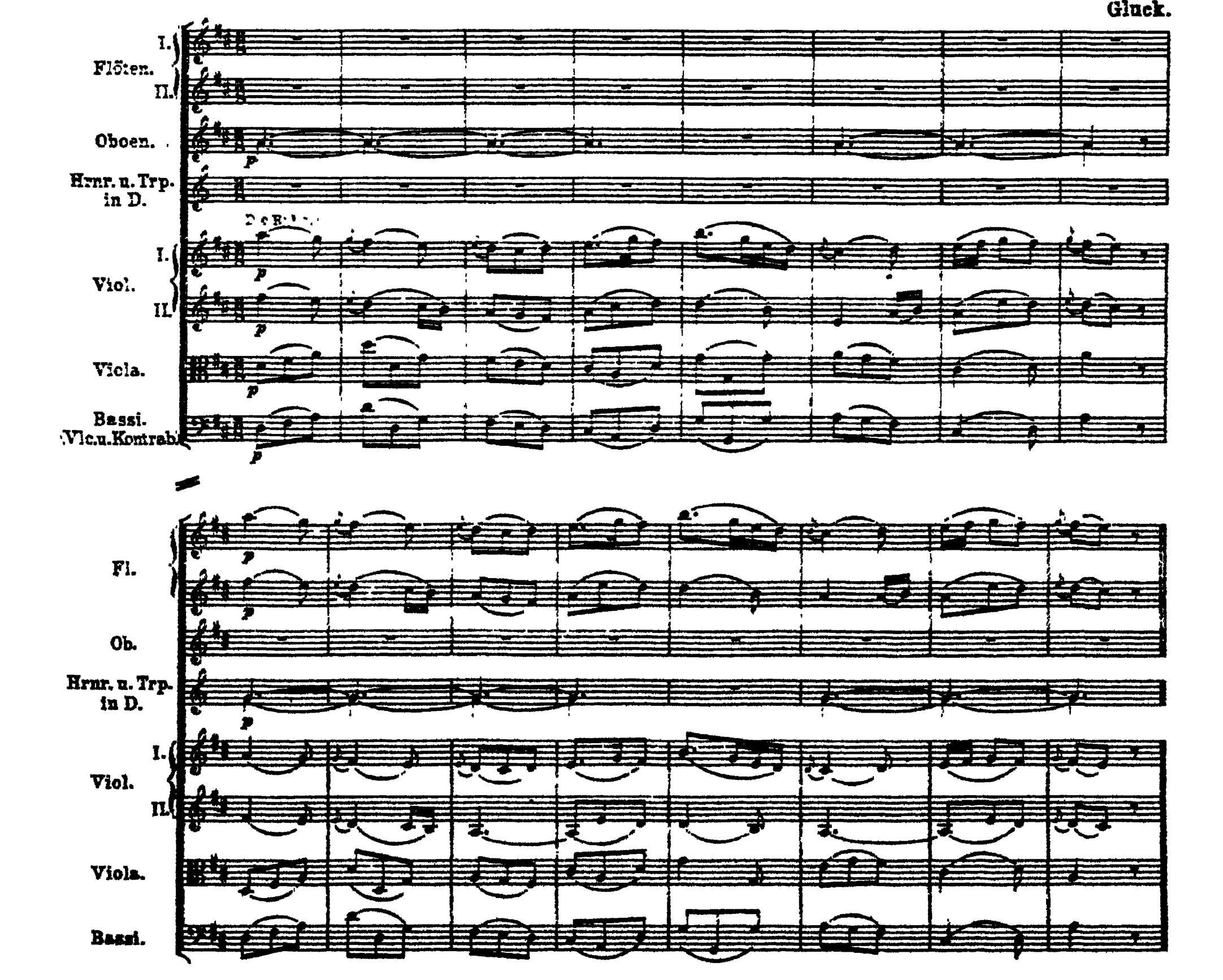
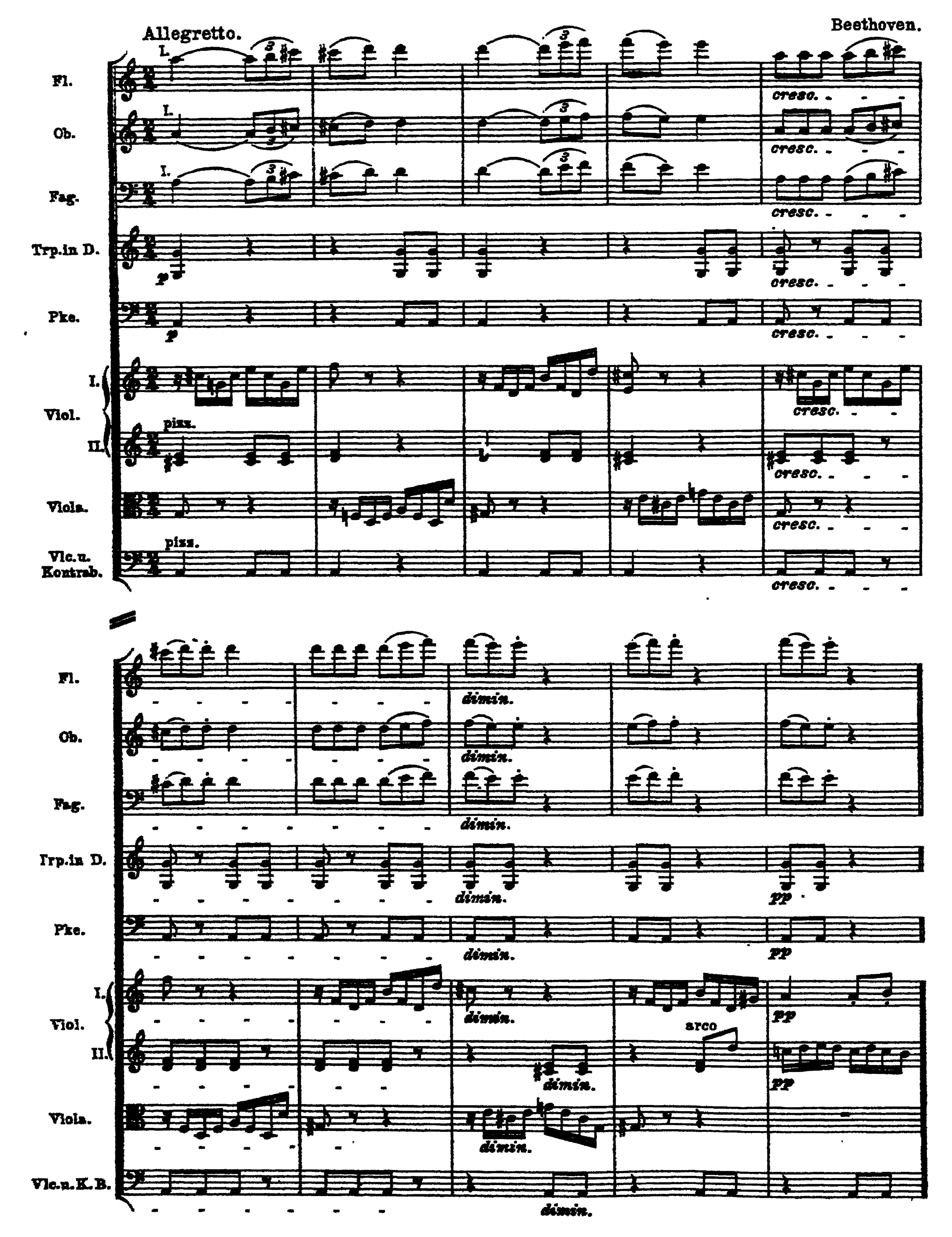
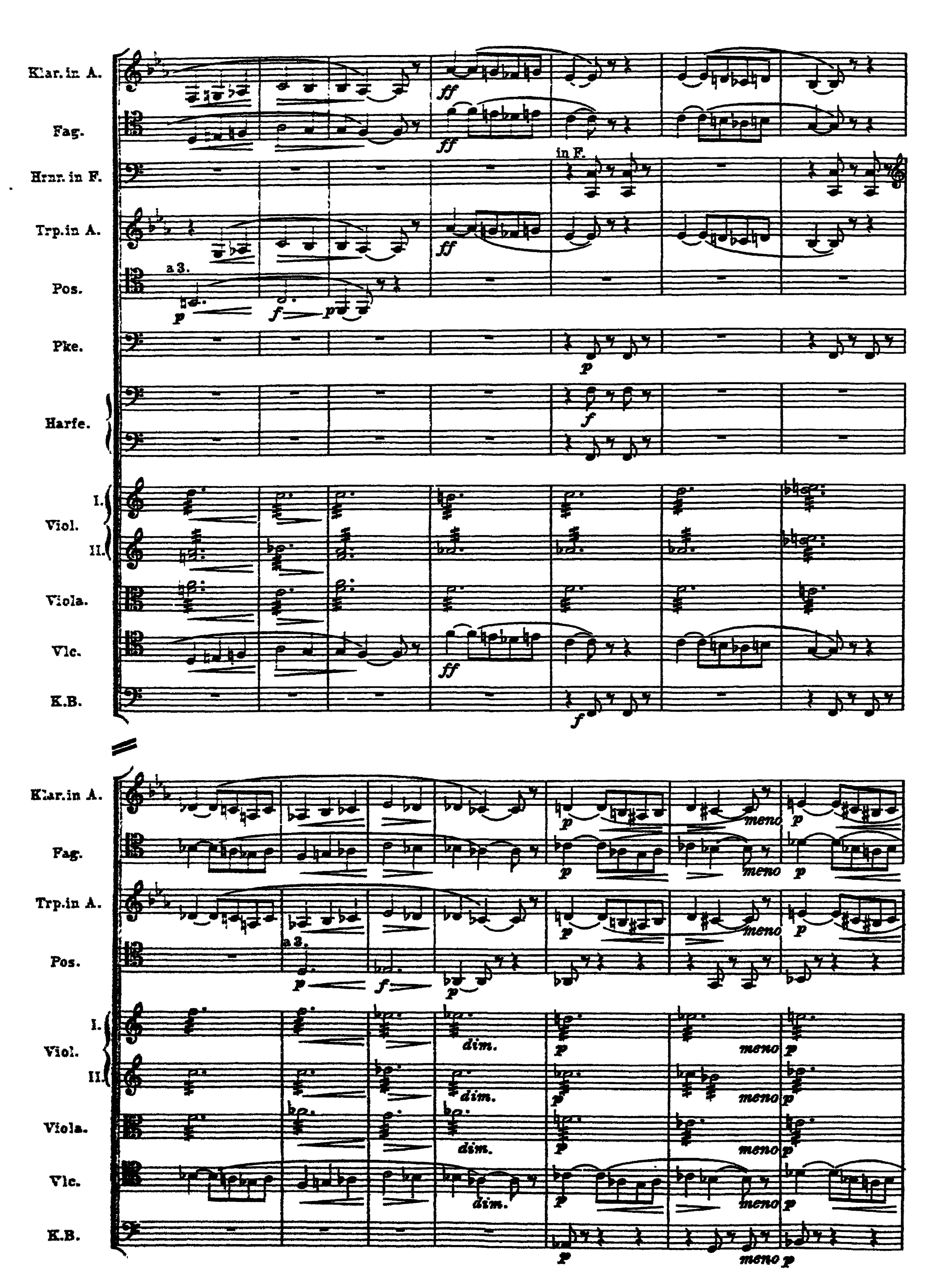
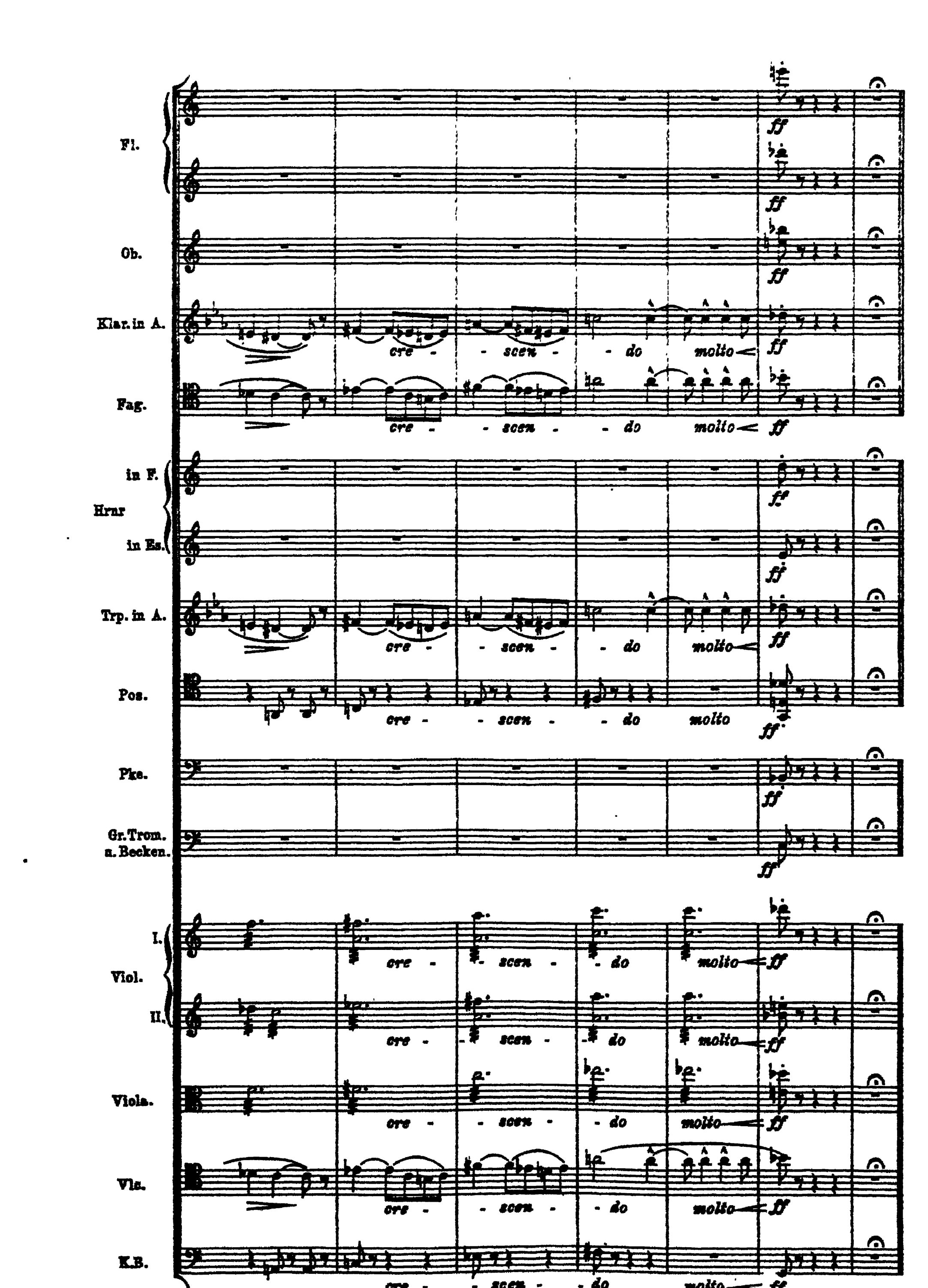
Contrary to traditional usage. the piano tene of the dsetion to “Iphigenie en Tauride.” Beethcven partiertrumpets can be employed with charming effect, Giack saris in the Andante of his A-mafor Syiaphony; and Was one of the first to give a convincing example of this We eter both used the piano possi thilities of the trumpets in the long sustained note of the twr tru smprts, united y feligifwsiv. Examples. 118 and i14). pianissimo on the dominant, in the Andante of the inrro-
113. iphigenie en tauride, act L
114. SYMPHONY IN A MAJOR, 2nd MOVEMENT
Its range is approximately the same as that of the French horn: it has the same natural open tones. one octave higher. It is written in the G-clef,

Some perfurmers succeed to a degree in producing stopped tones on the trumpet by introdscing the hand inte the bell, as on the horn. Bat the effect of these tones is so bad and their intonation is so uncertain that the great majority of composers have wisely abstsined and are continuing to abstain from using them. The
high F —— « however. shouid be excepted from this
worst of ali, The trumpet {n D> has the most beautiful tone; it is very brilliant and of pure intonation. But this instrument is hardly ever used becacse most composers do not know of its existence.
What has been said above of the notes at the two ex-
tremes uf its scale shows that the range of the trampet is not the same in all xeys. Low trumpets, similarly to all other instraments of this type. must avoid the lowest notes. and high trumpets cannot reach the highest notes.
The range of the trumpet in the different keys is as
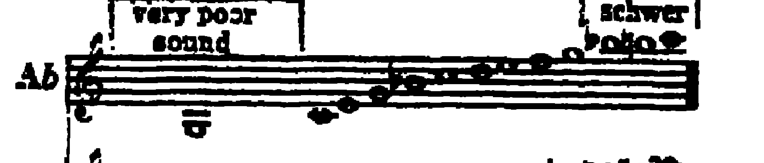
Trumpet in iow Ab

proscription and may be considered an open tone. It is produced by the lips only; but since it is always a Jittle too high in pitch, it can be used only as a passing note
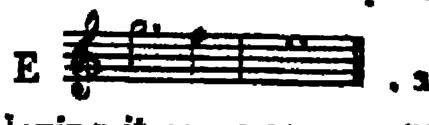
between G and E. and one must refrain from employing it as an unprepared note or from
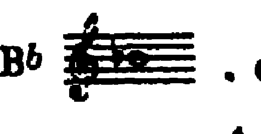
sustaining it. The medium Be ——. on the other
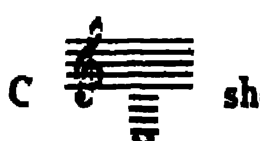
hand. is always a littie flat. The low C a should
be avoided on trumpets in kevs lower than F. It sounds weak and rough and is not suitable for characteristic effects. It can be easily replaced by a horn tone, which is better in every respect.
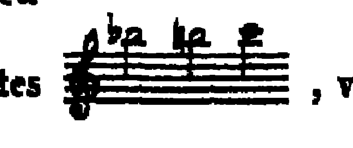
The three highest notes | ae, very hazard-
ous on the trumpets in low A. BO and C, are impracticable in higher keys. However. the high C can be produced with some effort even on trumpets in E® if it is introduced similarly to the following example:
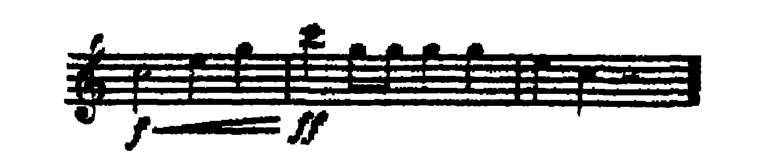
Such a passage, which most German and English players would attack without hesitation, would be considered very risky in France, where one generally has to overcome great difficulties in employing the brass.
There are trumpets {made in one piece) in Bb, C, D, Ed, E, F. G and—very rarely—in high Ao, By means of the lengthening piece previously mentioned in connection with the hora. which lowers the pitch of the instrament by a semitone, one obtains trumpets in A, B, Db (or C¥) and G> (or F*). By using a double lengthening piece, which lowers the pitch a whole tone, even & trumpet in low A® can be produced; but this key sounds
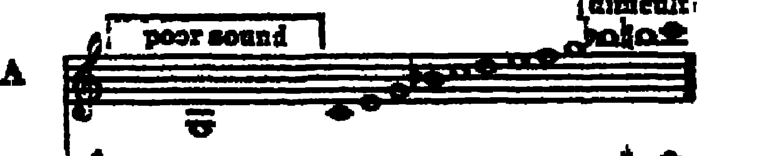
Trumpet in A
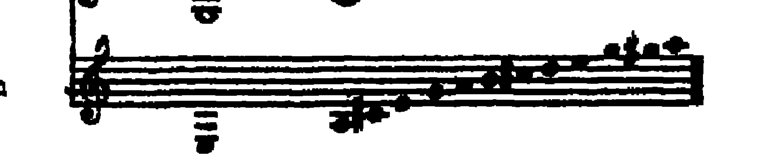
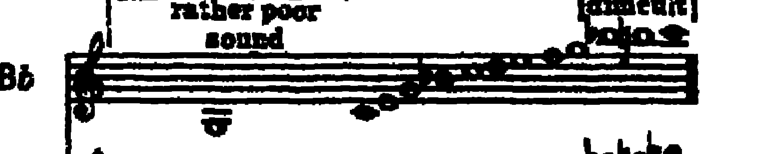
Trampet in Bo ff
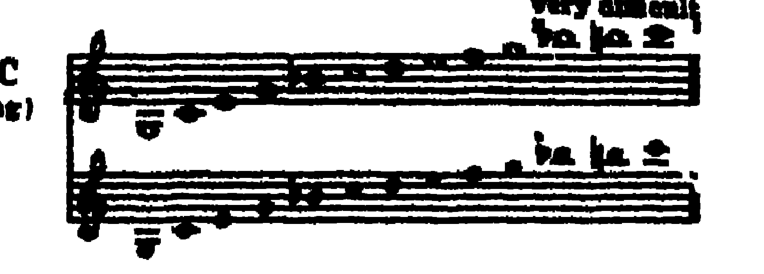
Trumpet in C {not transposing)
The trumpet can be employed even in pieces of gay character, provided that this mood is characterized in a spirited or brilliant manner.
In spite of its proud and distinguished timbre, the trumpet has been degraded as few other instruments. Up to the time of Beethoven and Weber, all composers—- not even excepting Mozart—limited its use to the low sphere of mere Hlling-in voices or to a few commonplace rhythmic formulas, as vapid as they are ridiculous, and usually contrary to the character of the piece in which they oecur. This trivial practice has at last been abandoned. Ai! composers possessing style strive to give to their melodic passages. accompaniments and figurations all the latitude, variety and independence which nature has accorded to the trumpet. It took almost a century to attain this!
Verdi used the trampet (as well as the trombone) in his later works (“Falstaff”, “Otello") very individually, bat without real feeling for its soul and true character. This application of the heavy brass, resulting from the use of the key trombones with their vulgar tone, is not to be recommended, although it belongs to the peculiarities of the old master.
In view of the incisive effect which the trumpet always has it is not necessary to quote the innumerable examples from Richard Wagner’s works: Siegmund's sword motif, Bruennhilde’s fighting call at the beginning of the second act of “Walkuere”, the trumpet octaves, as painful as sword thrusts, at the end of the second act of “Tristan”—all these are unforgettable to anyone who has ever heard them. The valve trumpets (with pistons or cylinders) have the advantage of being able to produce all the intervals of the chromatic scale, similarly to the valve horns. They have lost nothing of the peculiar timbre of the ordinary trumpet through the addition of this mechanism; and their intonation is satisfactory. Trumpets with cylinders are best of all; they will soon come into general use.
Key trumpets (still in use in some Italian orchestras) cannot match them in this respect.
The general range of the valve trumpet (with pistons or cylinders) is as follows:

rare, only in
The high cylinder trumpets, such as those in F and G,
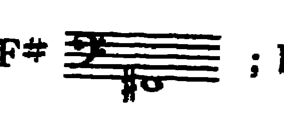
ean descend chromatically as far as F# ——— 3 but
these extremely low notes are of rather poor quality.
Major and minor trills practicable on the cylinder trumpet are the same as those on the cornet with three pistons. (See the table of trills on this instrument, p.298)
Slide trumpets (so called on account of the attached slide, which is moved by the right hand, similarly to that of the trombone) produce the purest intervals beeause of this mechanism. Their tone is exactly the same as that of the ordinary trumpets; their range is as folows:
Impracticable in
Impracticable in

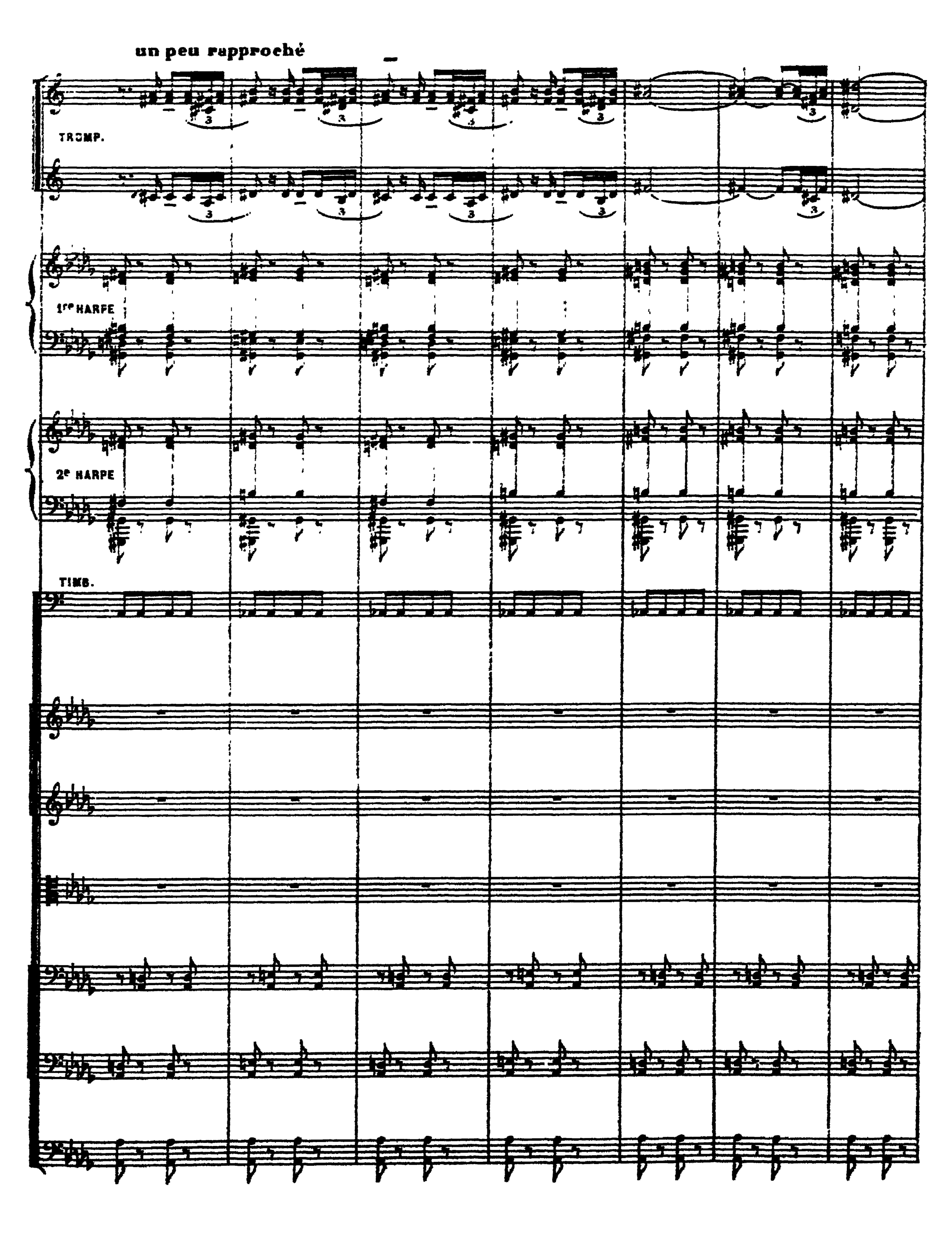
Muted trumpets frequently produce enchanting effects. In forte they are suitable for caricature and for the presentation of fantastic apparitions. The piano of muted trumpets has a magical, silverv sound (Example 116).
The muted trumpet is much easier to play than the muted horn. The latter still offers difficulties in regard to purity of intonation, which can be overcome only by diligent practice.
116. nocturnes—les fetes*
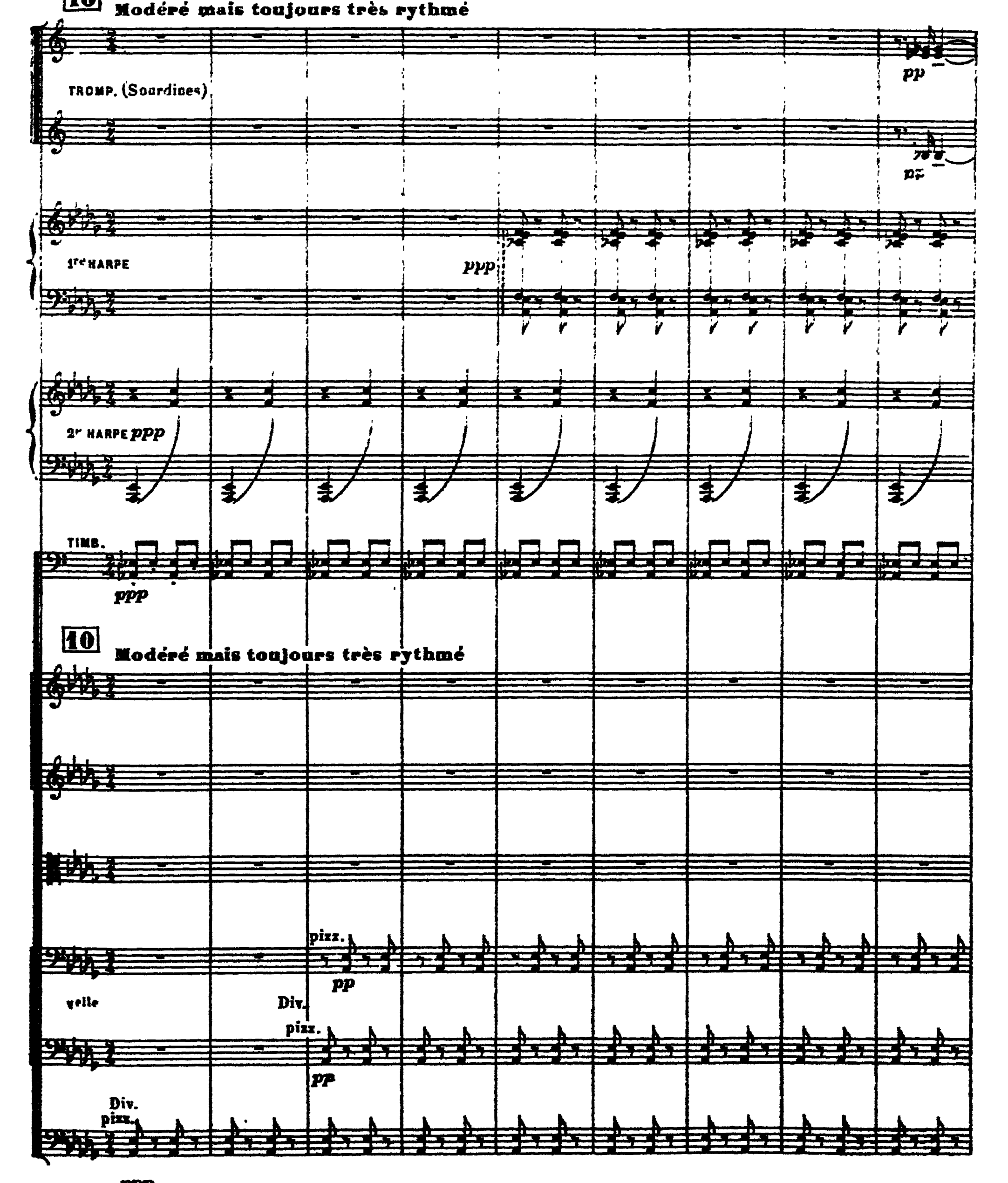
“This plece replaces two excerpts from “Fenersnot” quoted by Strauss.
BSt