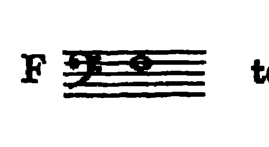
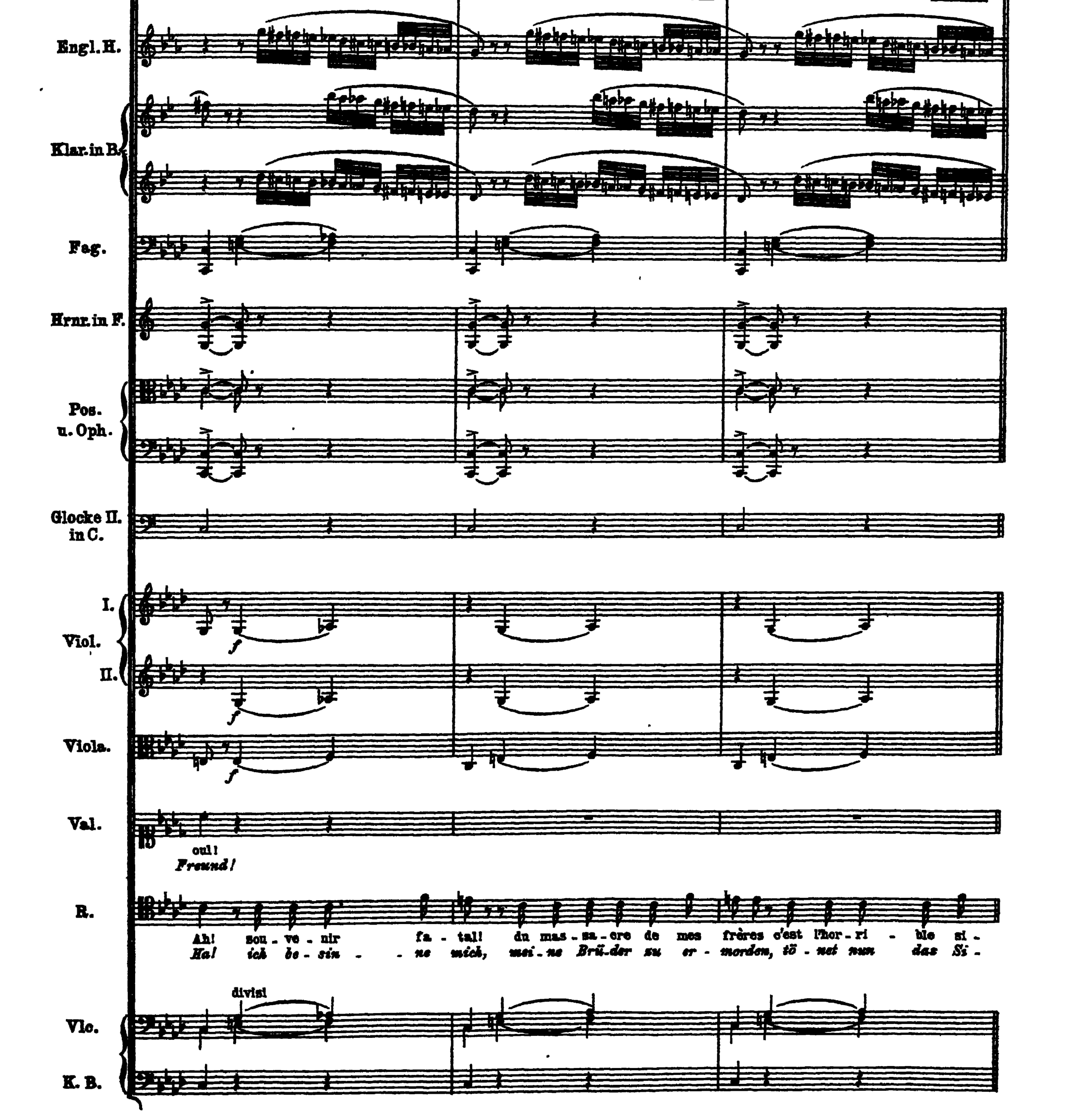
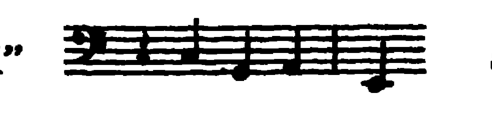
They have been introduced into instrumentation more for the sake of dramatic than of purely musical effects. The timbre of low bells is appropriate only for solemn and grandiose scenes. On the other hand, that of the high bells has a more serene character; it has something rustic and naive about it; this makes it particularly suitable for religious and pastoral scenes. For this reason Rossini has employed a little bell in high G to accompany the graceful chorus in the second act of “Guillaume Tell’, whose refrain is “Voici la nuit’;
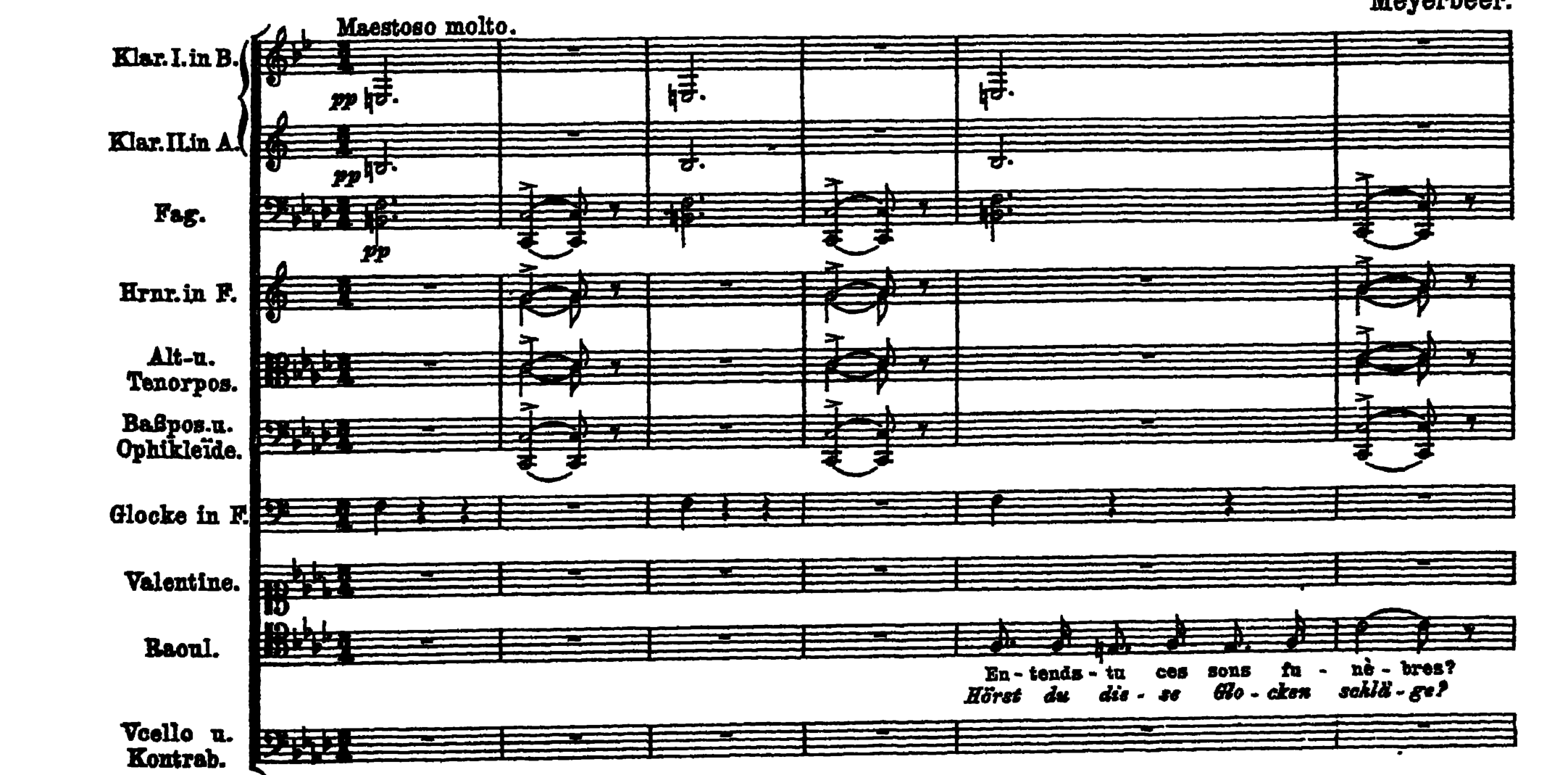
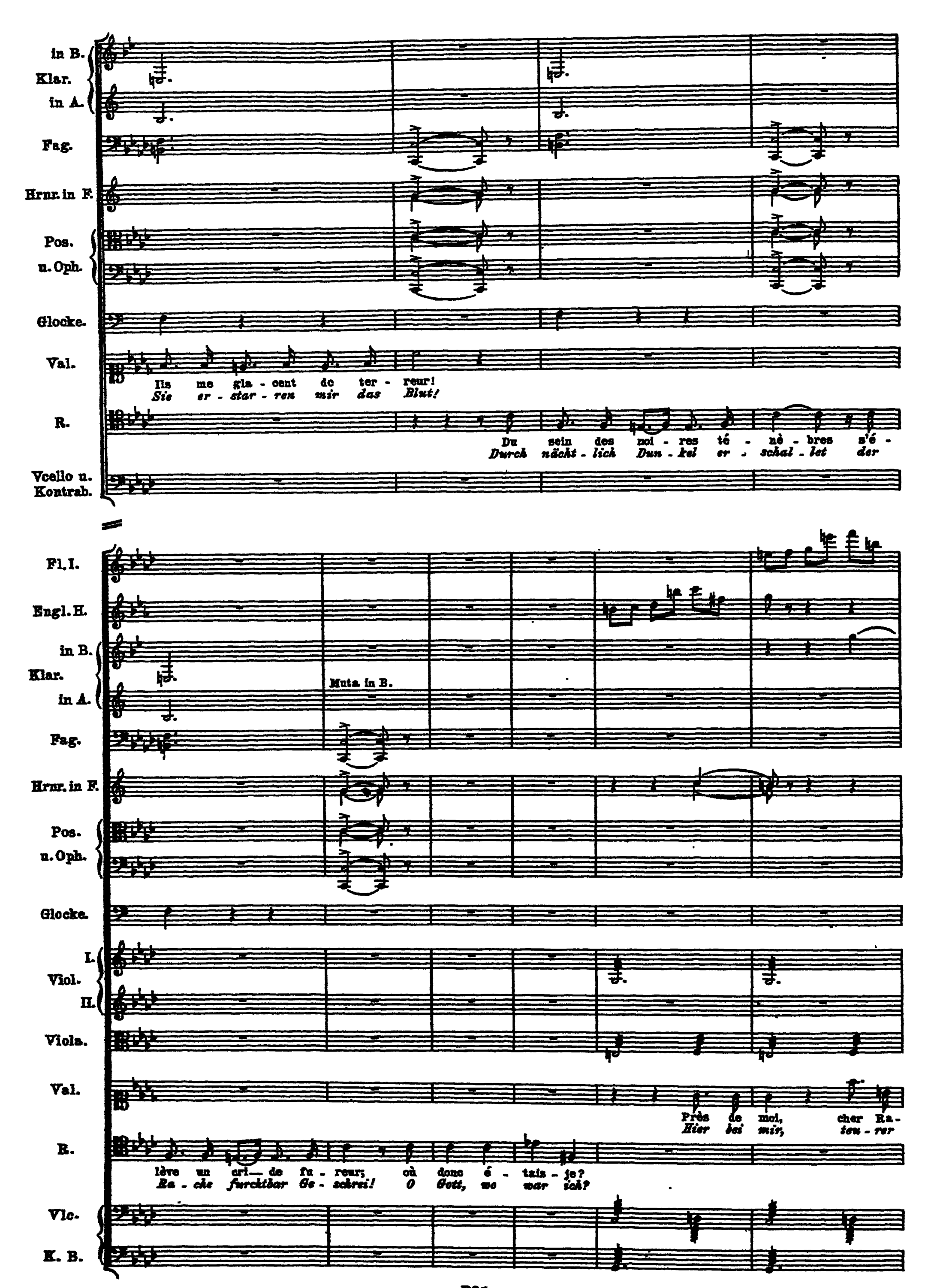
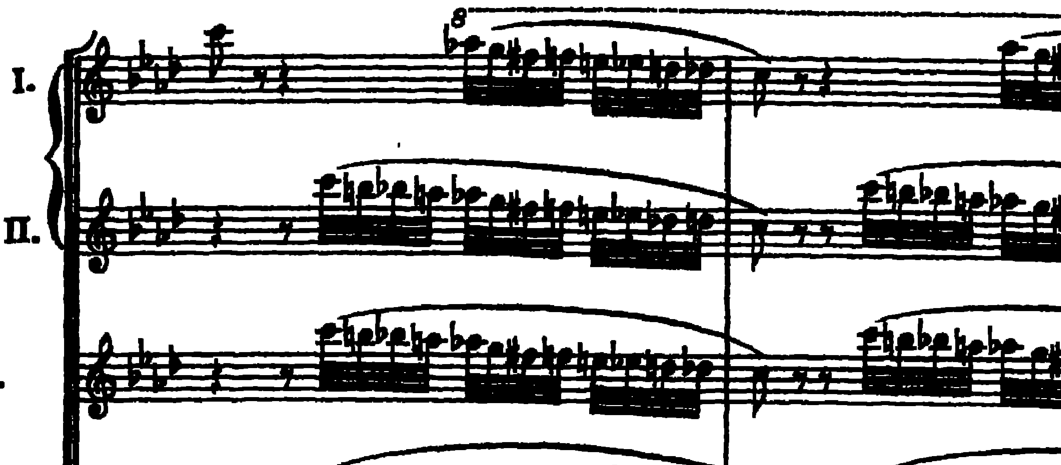
give the signal for the massacre in the fourth act of his “Les Huguenots”. At the same time the bassoons play a B - the diminished fifth of this F; together with the low tones of the two clarinets (in Bb and A) these create that ominous sound which spreads awe and horror in this immortal scene. (Example 146.)
 Playable Books