 Playable Books
Johann Joseph Fux · section 23 of 32
Double counterpoint at the tenth
Read and hear this section in the playable edition →Sixth lesson
On double counterpoint with transposition at the tenth
From what was said a little earlier it must be understood that double counterpoint as such is a genus, and therefore comprises several species, whose differences arise from the varying transposition of the parts.
I think enough has been said about the first species, namely counterpoint at the octave.
We must now proceed to the second species, namely counterpoint at the tenth, so called because, with certain consonances and dissonances omitted, either part may be transposed a tenth upward or downward, the note forms remaining exactly the same. Which intervals must be avoided is clear from the following numbers placed opposite one another.

From this it follows that two thirds or two tenths cannot follow one another by similar motion, because the former would produce two octaves and the latter two unisons through inversion. In the same way two sixths are forbidden, because their inversion at the tenth would produce two fifths. Furthermore, one must avoid a tied fourth in the upper part, because inverted it produces a seventh not accepted in practice, as has already been demonstrated elsewhere. Finally, the tenth must not be exceeded. Please examine an example bound to the cantus firmus used thus far.
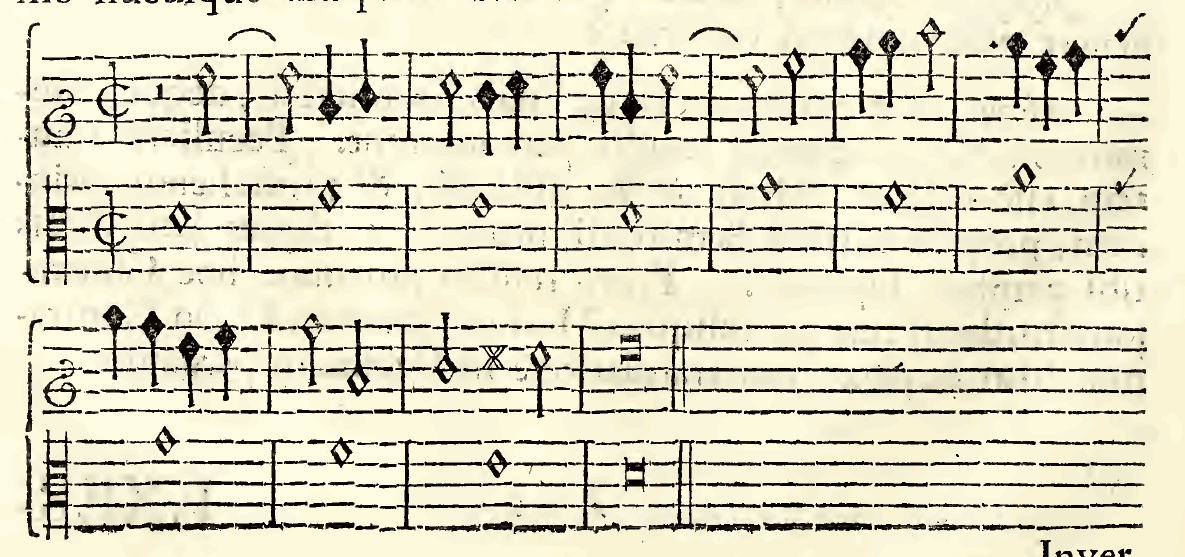
Inversion at the tenth, with the same cantus firmus remaining in its place.
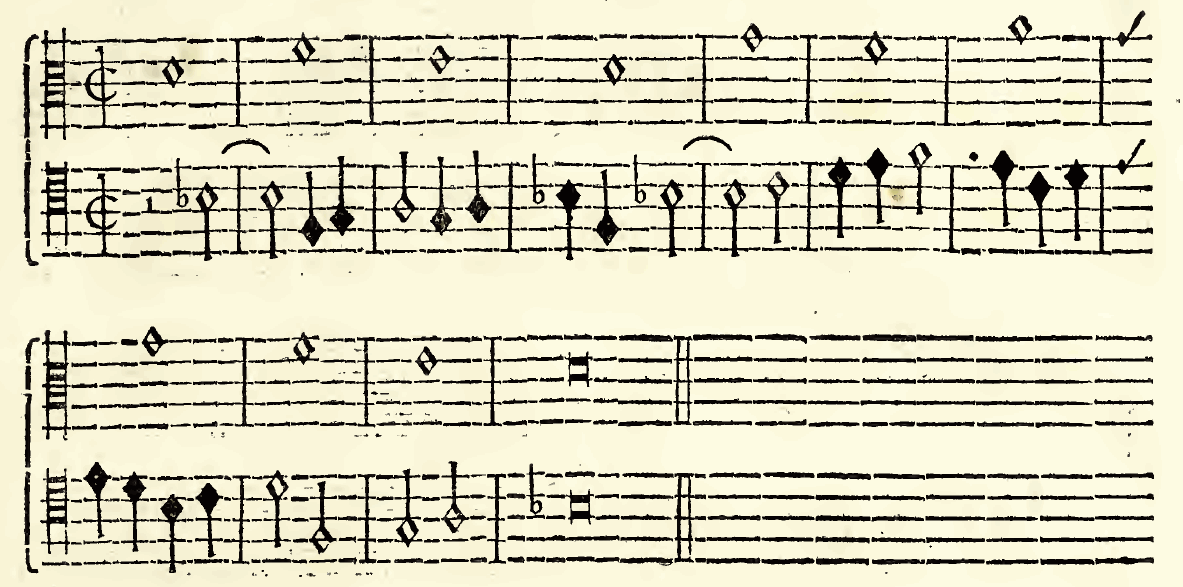
The same occurs if the cantus firmus is raised a third and the counterpoint transposed an octave downward. The reason is clear: two tones added to the octave likewise make a tenth.
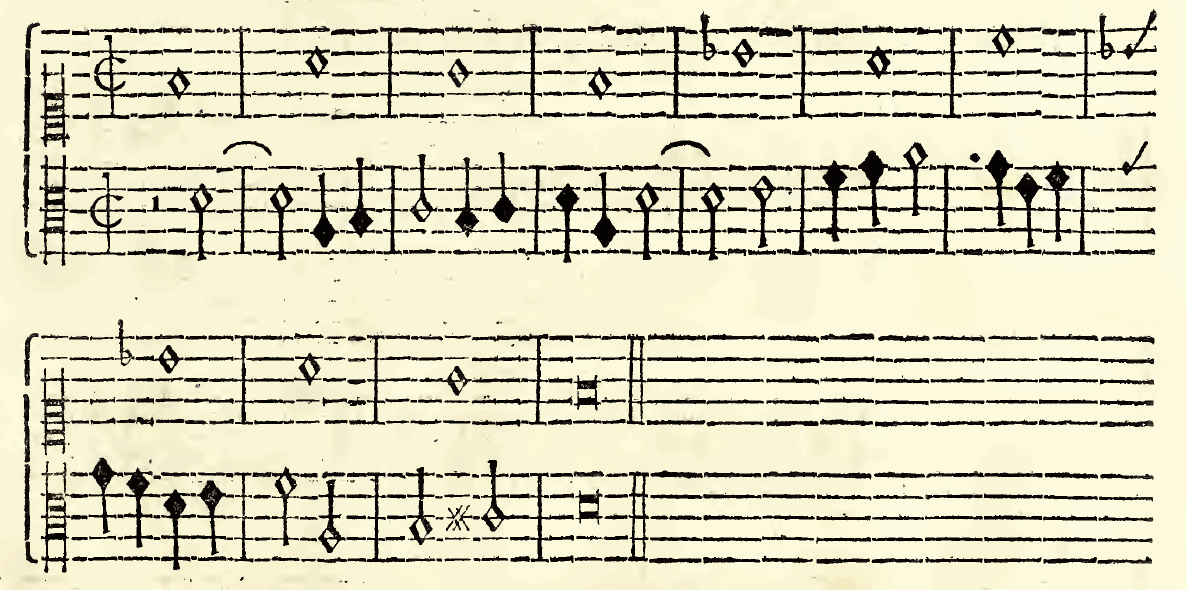
This same counterpoint can be sung by three voices if the cantus firmus, copied note for note, is placed a tenth lower while the two parts remain.
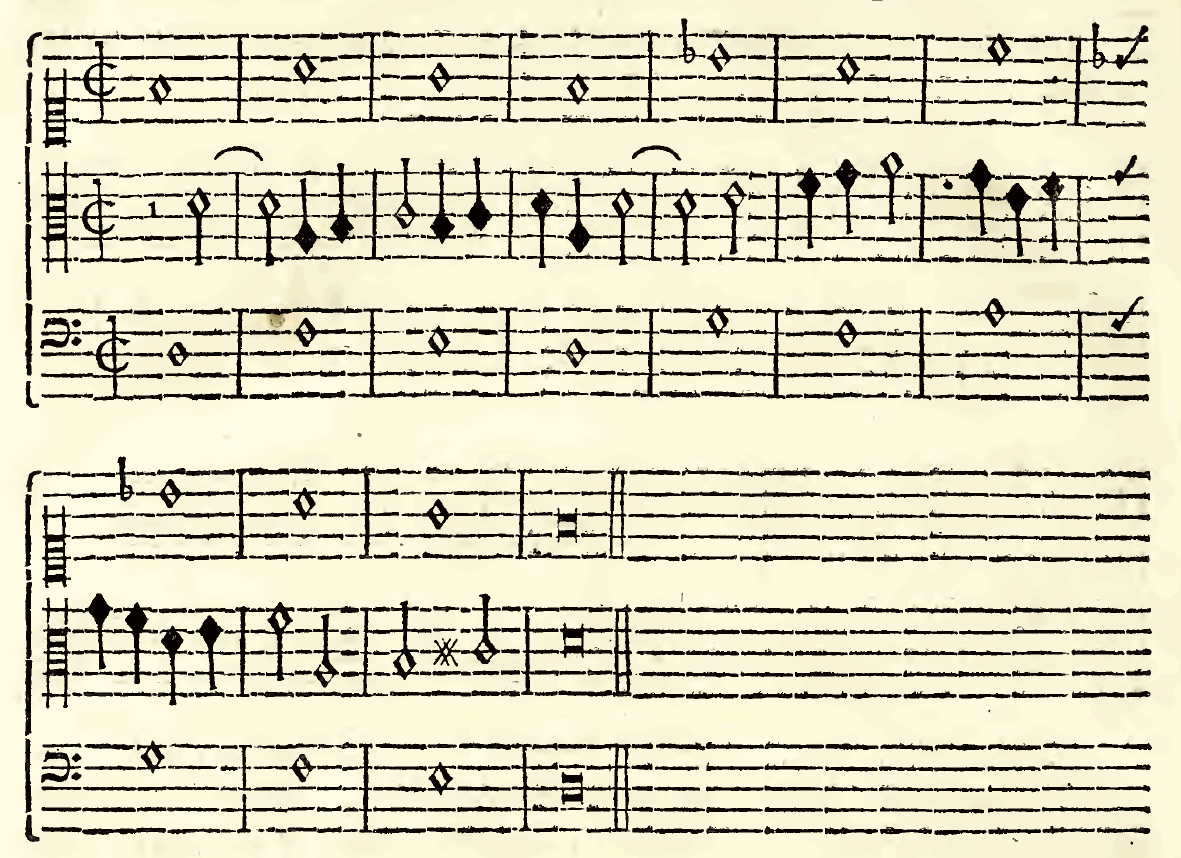
The same is to be understood of the first example of this counterpoint, by transcribing the counterpoint a tenth lower while the remaining parts stay in place.
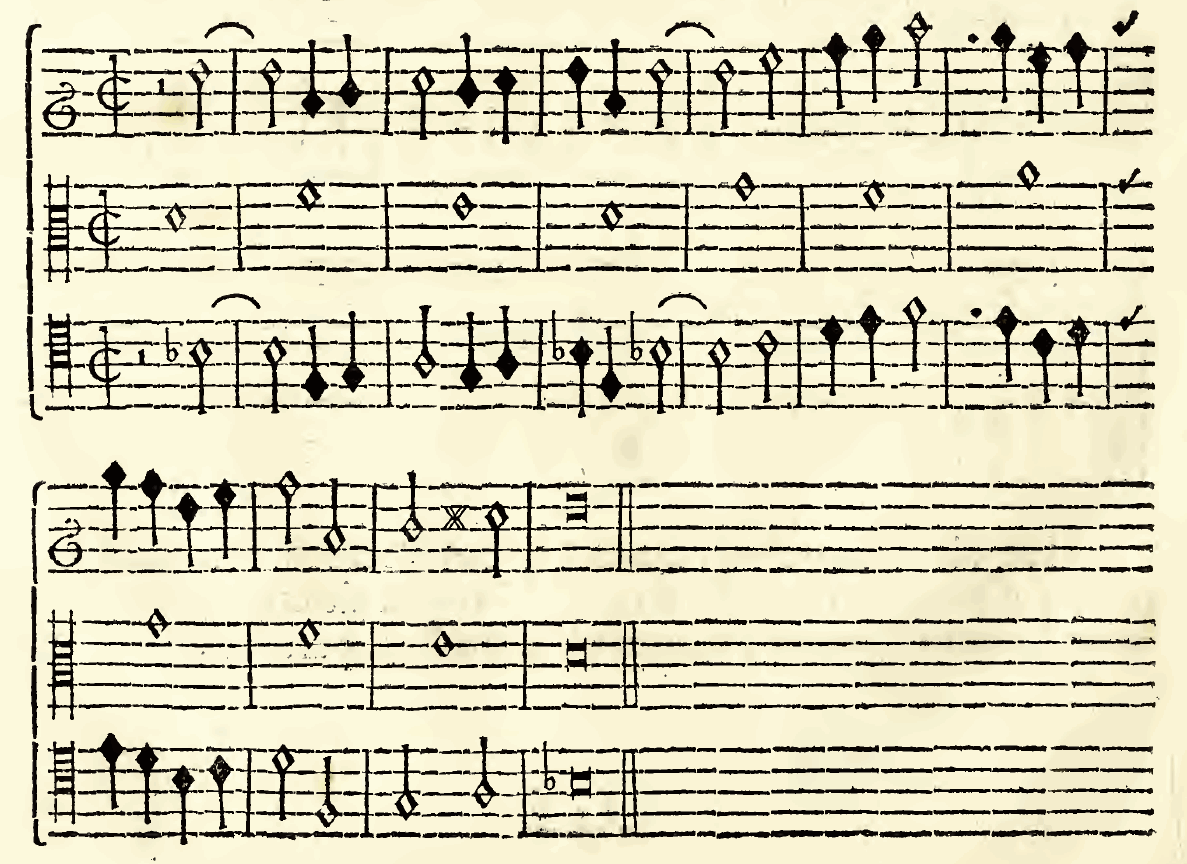
Joseph. How wonderful is the artifice of this counterpoint, by whose means a third part is made by copying! But can every two-voice composition of this species be turned into three voices?
Aloysius. Certainly, if, besides observing the precepts given for this species, every thesis has either contrary or oblique motion, as in the preceding examples.
I shall now add two examples without the obligation of a cantus firmus, so that nothing concerning this counterpoint may remain unknown to you.
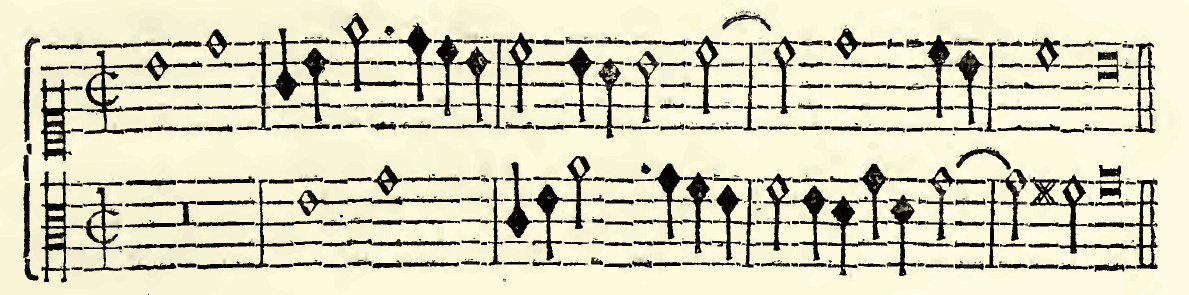
By copying the soprano part note for note a tenth lower, you will have a three-voice composition complete according to all the precepts.
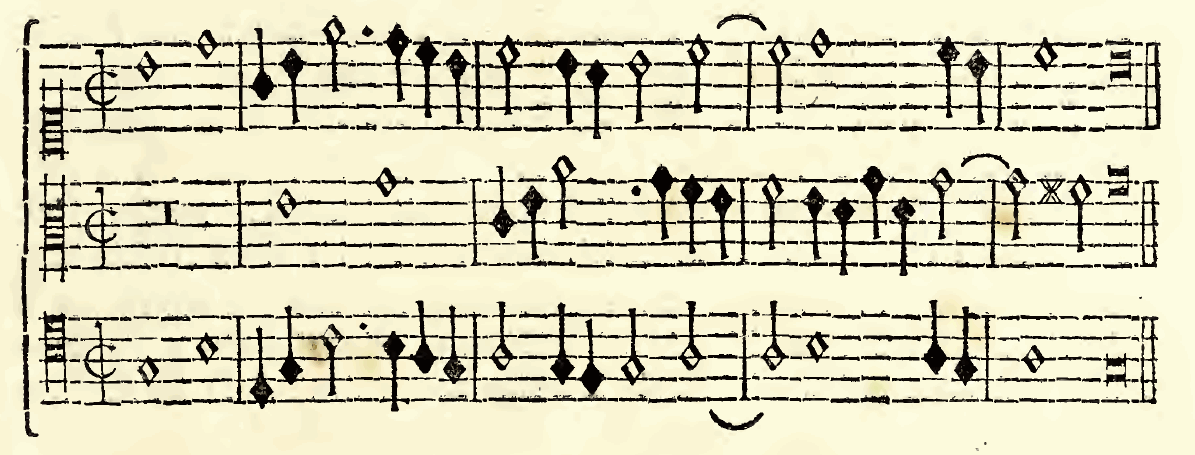
The soprano of the following example, transposed an octave lower and a third higher, will produce a complete three-voice composition.
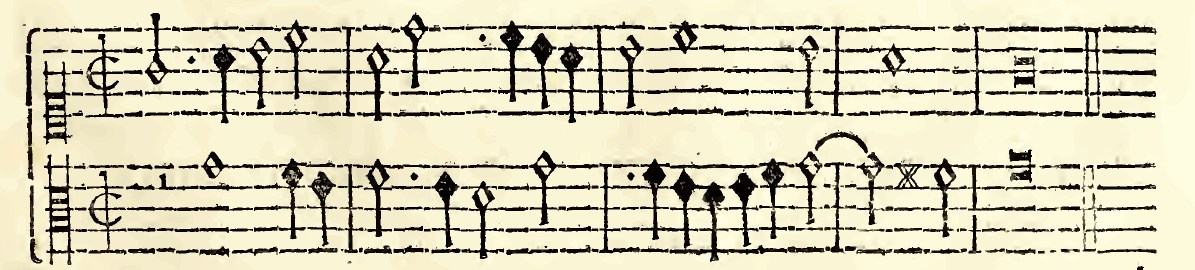
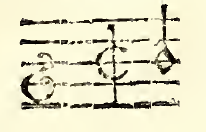
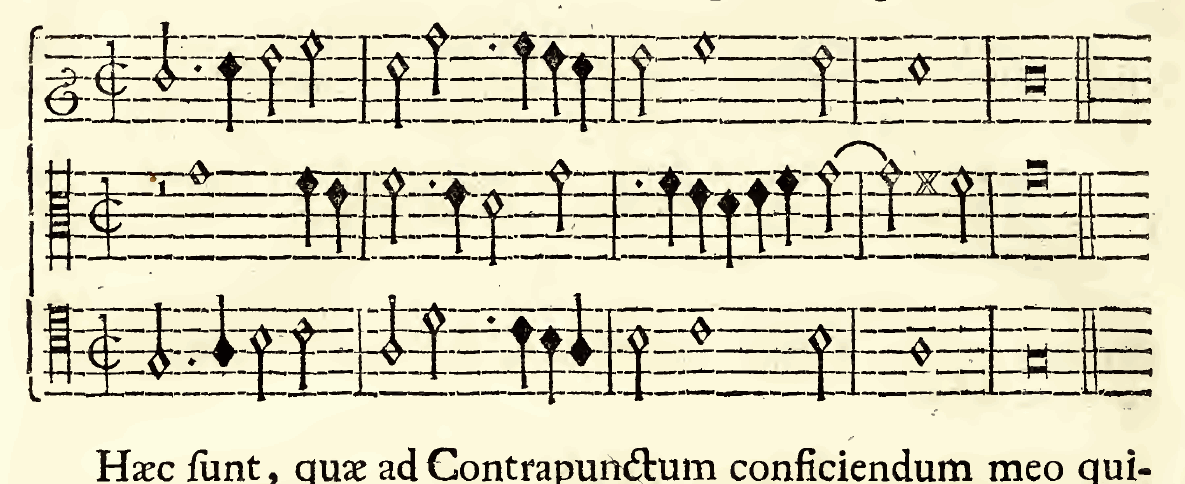
These are the things which, in my judgment, are required for constructing this counterpoint. I entrust it to you to practice for some time until its use becomes easy for you. If any further doubt remains, please put it forward.
Joseph. It seems that the first example with the cantus firmus, through inversion, passes outside the bounds of the mode both at the beginning and at the end.
Aloysius. It does pass outside them, but into a mode by no means hostile to the one in which it began. Moreover, these examples are offered here less for practical use than for the sake of inversion. The inversion need not be used immediately at the beginning or continued to the end. Rather, after a subject suited to the mode, another subject invertible at the tenth may be introduced and then inverted at a suitable place according to the composer’s judgment, as I shall demonstrate in a fugue to be given shortly as an example. But if one wishes to establish the inversion at the beginning of a composition, the beginning must be taken from the third or unison of the mode; in that case the inverted part will remain within the bounds of the mode, as the preceding examples without a cantus firmus demonstrate.
Joseph. If this counterpoint is used in composition for four parts, what must the fourth part do?
Aloysius. It may either rest meanwhile, fill the vacant space with extended melodic continuation, or enter with the subject by contrary motion or in another permissible way. Let the preceding example turned into four voices serve as an example for you.
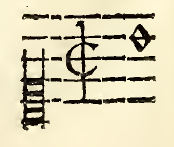
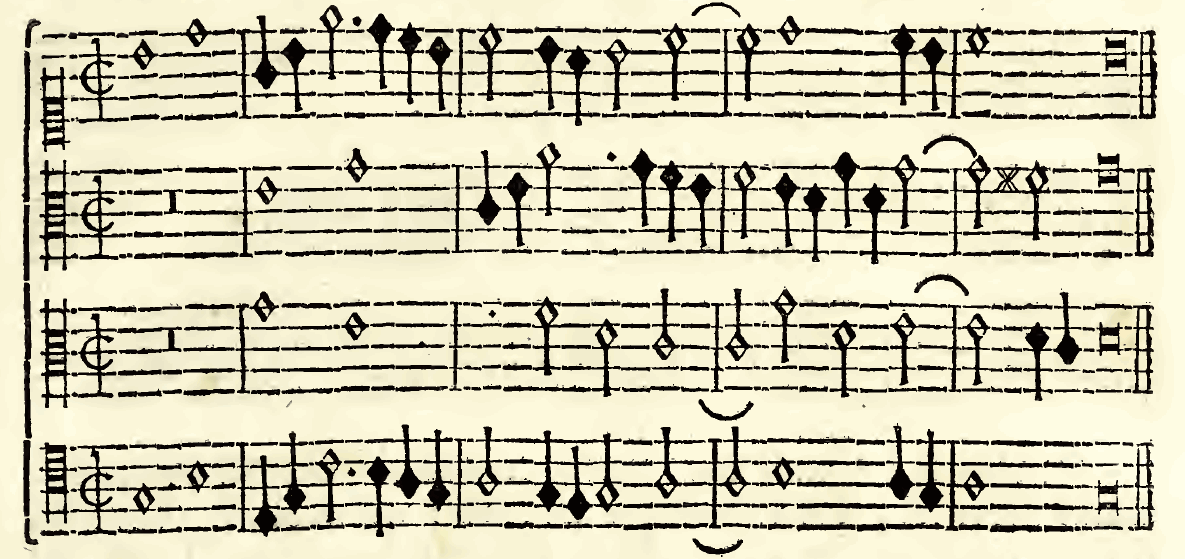
It now remains to demonstrate how this counterpoint is to be put to use in composing. I shall do this by taking the subject of the first mode used in the simple fugues and elsewhere thus far.
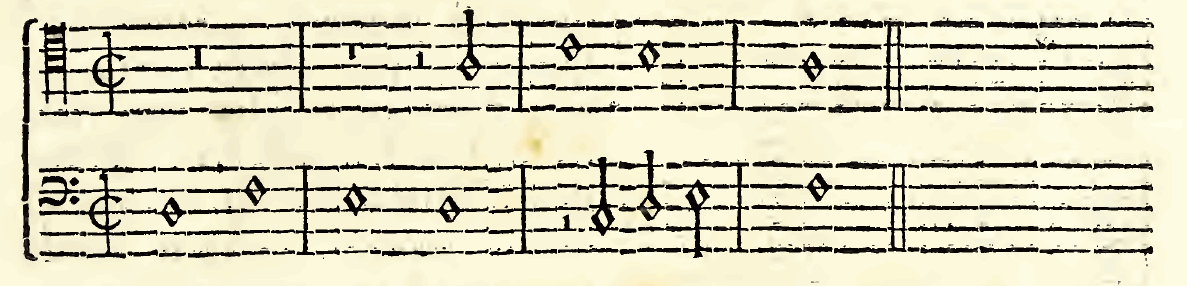
Joseph. Do not hold it against me, revered Master, if I dare to interrupt you.
Aloysius. Go on, speak.
Joseph. I see that this countersubject can be inverted at the octave, and therefore it seems to belong to counterpoint at the octave.
Aloysius. You judge wrongly that it does not belong here because this subject can also be inverted at the octave. It should be clear to you from the last example of counterpoint at the octave, and from the last examples of the species in which we are now engaged, that these kinds of counterpoint, namely at the octave and tenth, can be combined. But to demonstrate to you that this subject can also be inverted at the tenth, examine the following example before I proceed further.
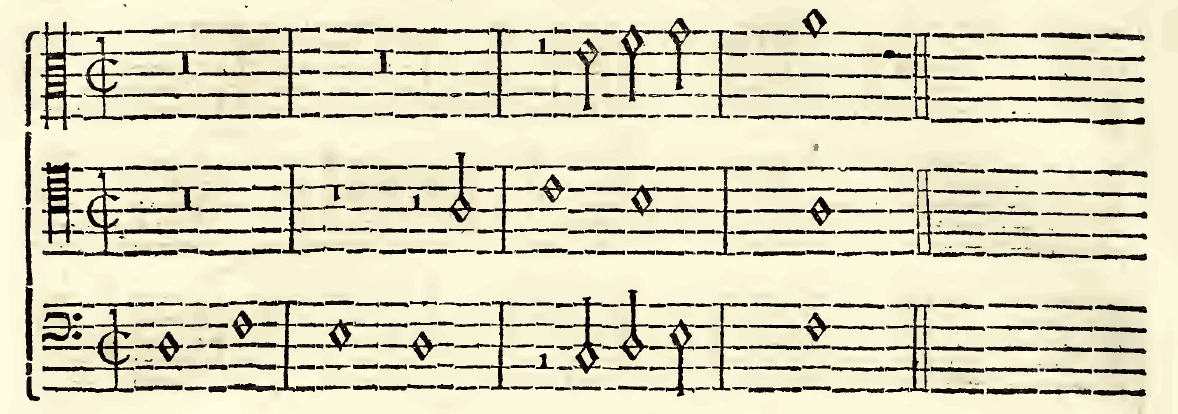
Here you see the alto proceeding with the bass countersubject entirely in tenths and producing a three-voice composition. The same occurs if the countersubject is raised an octave and lowered a third, according to the paradox given for this species of counterpoint. For example:
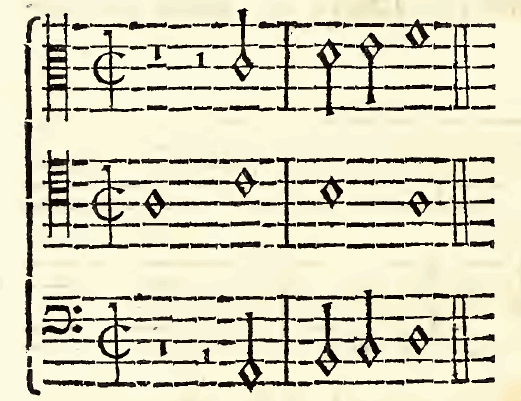
Joseph. I give you the greatest thanks, Master, for recalling to my memory what has already been said and again freeing me from doubt with such clear examples. Now, please, take this fugue in hand again and carry it on in the manner begun.
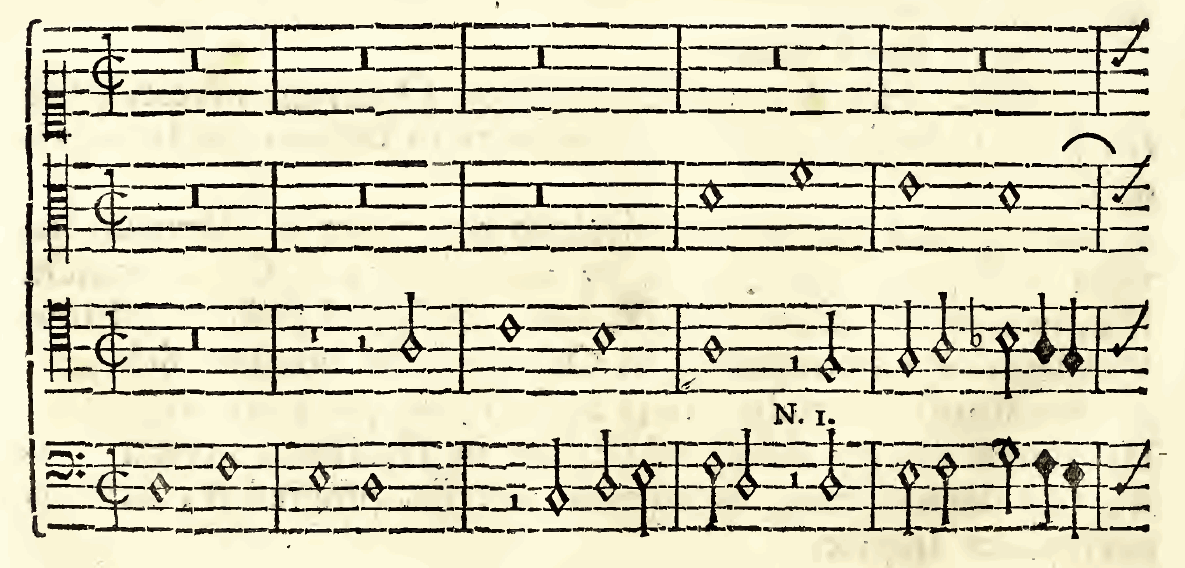
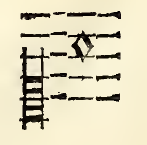
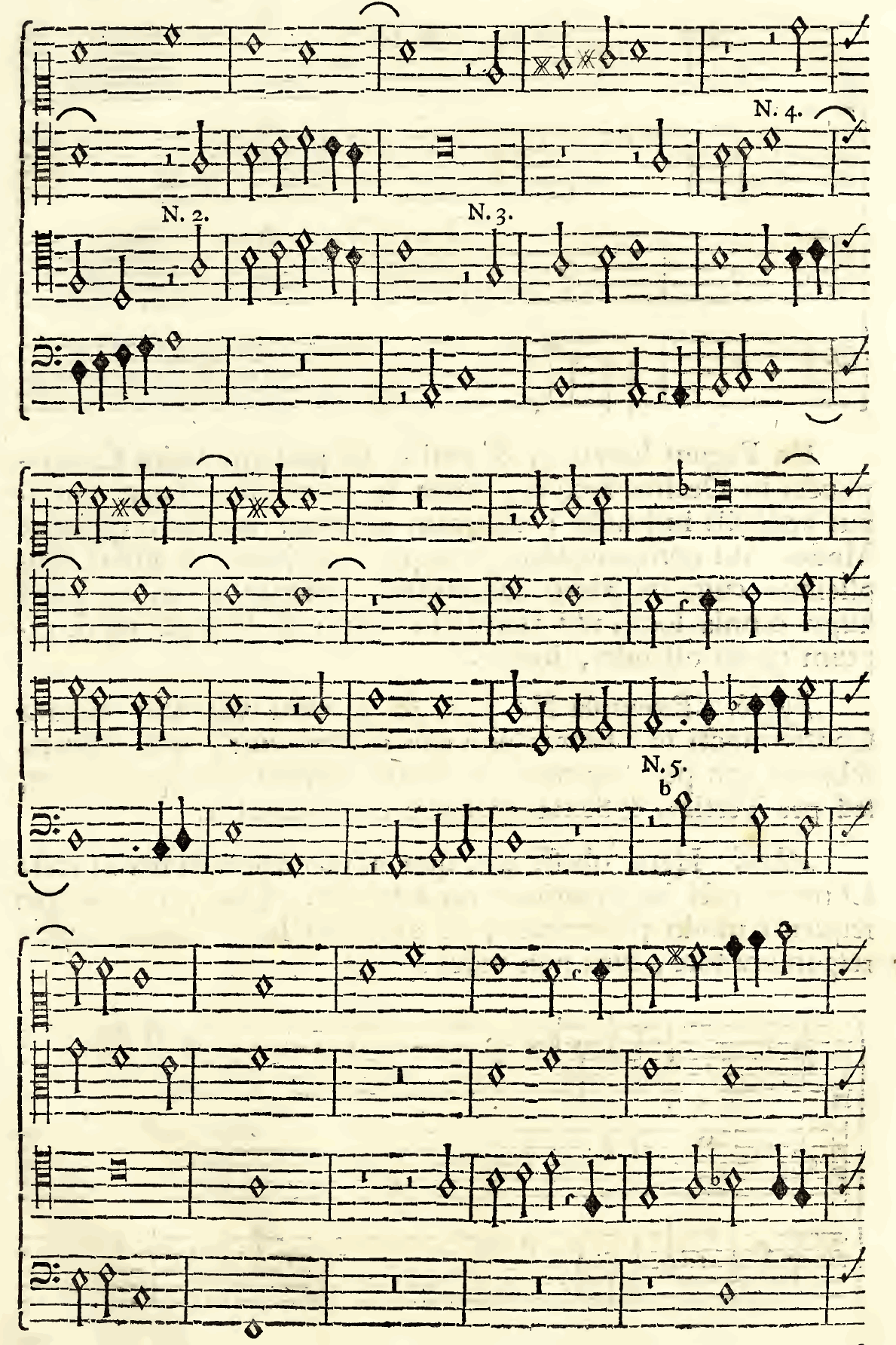
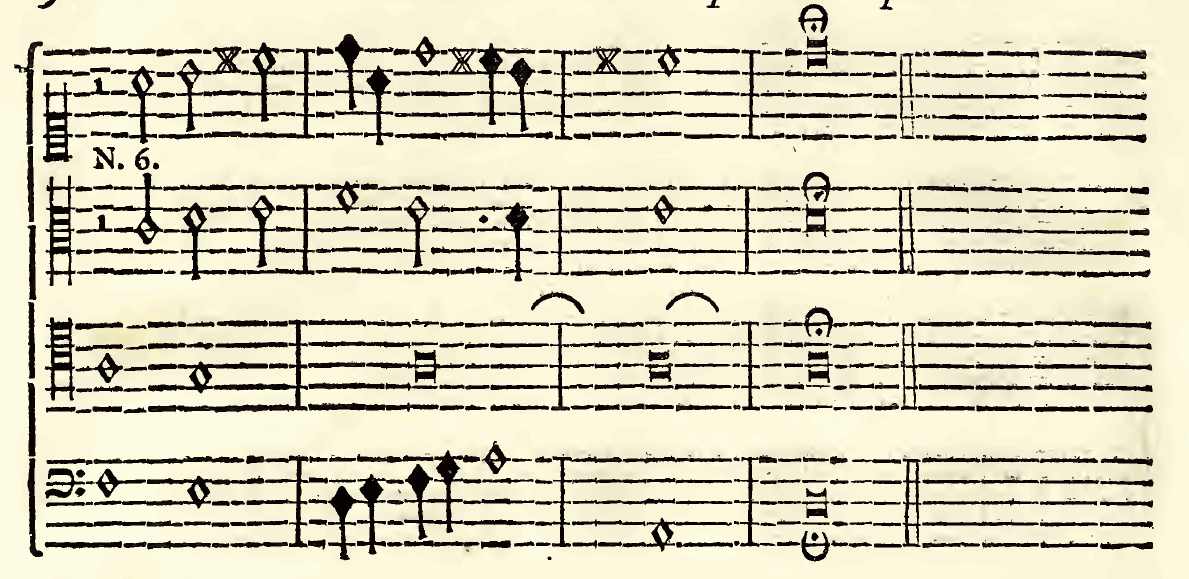
Here is a fugue made briefly, and more for the sake of this counterpoint at the tenth than as an example of a fugue furnished with every artifice. I leave you to compose in the remaining five modes on this model, taking subjects from the simple fugues of each mode. Meanwhile, examine all the places in this fugue where transposition occurs, and if you encounter anything beyond your understanding, point it out.
Joseph. Examples numbered 1, 2, and 3 seem to me not to accord with the nature of counterpoint at the tenth, because the countersubjects are seen to proceed not in tenths, as the nature of this counterpoint requires, but in thirds and sixths.
Aloysius. I say that this does not prevent those examples from being founded on the correct principle of this counterpoint. For who does not see that, if the examples were placed in the following manner, they would correspond exactly to this counterpoint?
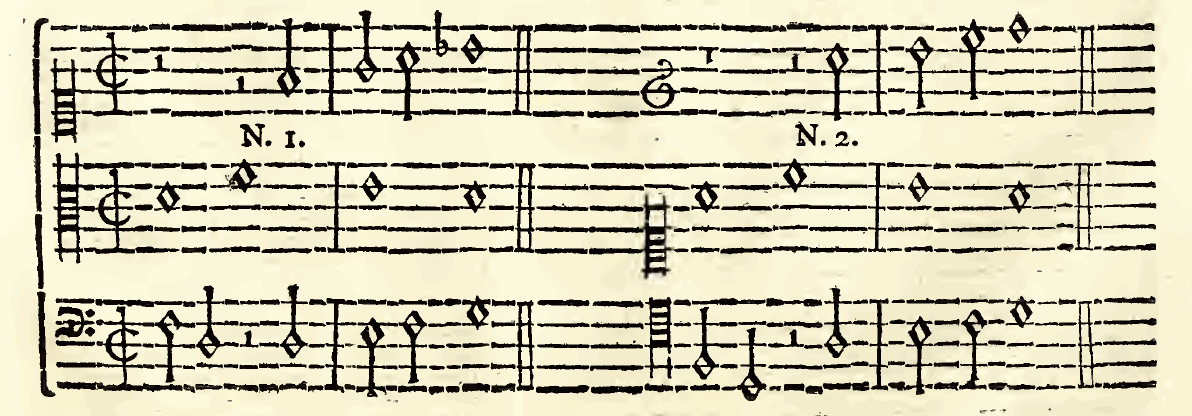
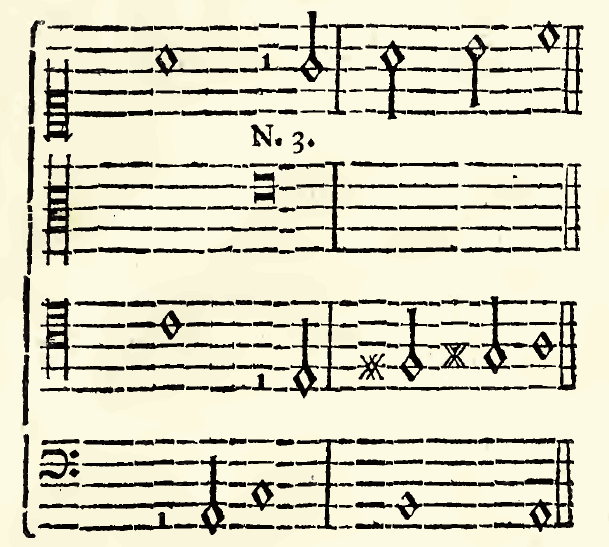
But since the tenor at number 1 and the alto at number 2 cannot reach as far as the tenth, it was necessary to give those parts a third lower. The case at number 3 seemed best arranged in this way because of the closer joining of the parts; I think the same should be understood of number 6. What doubt arises concerning numbers 4 and 5?
Joseph. I remember that you said elsewhere that the subject must necessarily be taken up again after a rest, which does not appear to have been done in those places.
Aloysius. I said that subjects must be introduced either in their original form or inverted. Do you not see that the countersubject there is inverted, or in contrary motion? This is not only permitted but gives no little variety to the composition. Moreover, I wish to warn you that great judgment is needed in this composition: besides observing what belongs to the nature of this counterpoint, the parts must be so arranged that they do not pass too far beyond the bounds of the staff or otherwise leave the composition empty of harmony.