 Playable Books
Concept index · Imitation and fugue
Stretto
Taught in 2 books. Each one opens at the passage; ▶ plays the example beside it. Also called stretti.
This index is Playable Books’ own: a first pass that finds the term’s words in each book, corrected by hand. The authors did not tag these passages, and their terms can differ (Fux’s “ligature” is a suspension). The quoted text is the book’s.
 Counterpoint AppliedPercy Goetschius, 1902
Start: Chapter IV →- Chapter IV
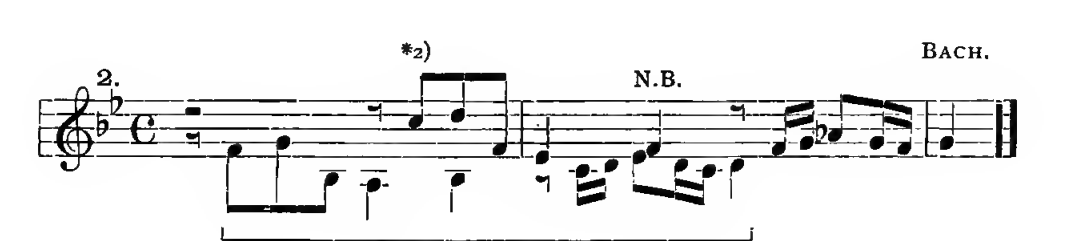
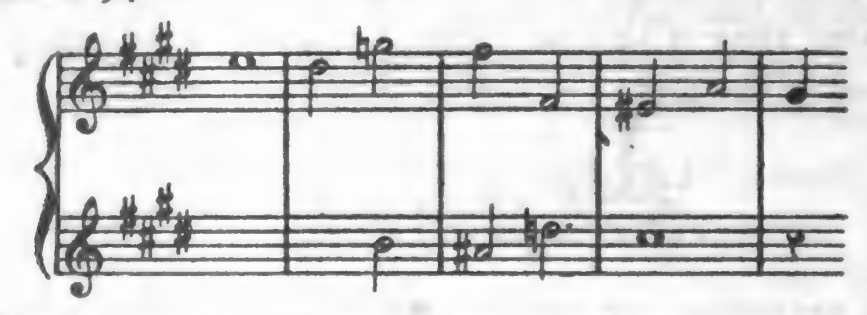
*I) In defining a Stretto-Imitation, both the melodic and rhythmic intervals are specified: At (a) it is a Stretto "in the 5th, after six beats; " at (5) in the 4th, after one measure; at (c) in the octave, after one measure; at (d) in the sth, after three…
▶ Fig. 200 nearby - Chapter IV
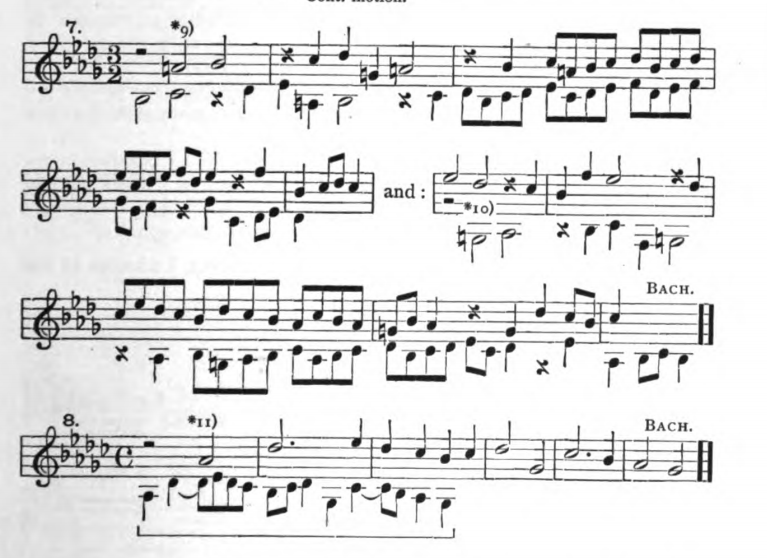
first interval-progression is changed, to facilitate the Stretto. — *6) The same Stretto as in the preceding measure, but with inverted parts, — *7) The Stretto begins in the 4th, after one-half beat; at this point the tone g is inserted, and the Stretto then…
▶ Fig. 200 nearby - Chapter XII
In Vol. II, Fugue 5, the stretto-design is more elaborate. Analyze minutely. There are eight sufficiently definite sections; in Sec. V (meas. 27) a z-voice stretto appears; in Sec. VI (meas. 33) a 3-voice stretto; and in Sec. VIII (meas. 44) a 4-voice stretto.
- Chapter XII
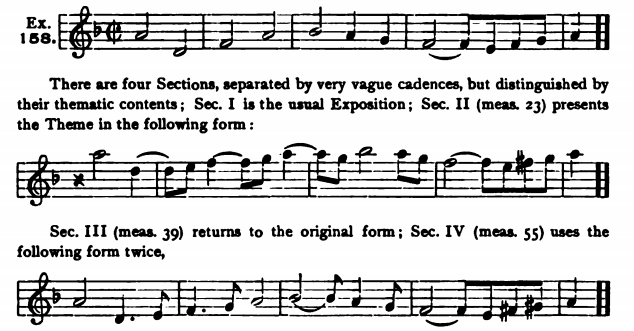
…the Theme in contrary motion, to meas. 27; Sec. III is the exposition of a stretto in the 8ve after two beats (Soprano and Tenor) carried through all the parts, up to meas. 48; Sec. IV is a similar exposition of the same stretto in contrary motion (Alto and…
▶ Fig. 366 nearby - Chapter XII
…Exposition up to meas. 25 ; Sec. II is the Exposition of a remarkable stretto, after one beat in the 7th (meas. 27, Tenor and Alto); Sec. III, meas. 42, is an Exposition of the Theme in contrary motion; Sec. IV, meas, 67, the same stretto as before, but in…
▶ Fig. 366 nearby - Chapter XII
Vol. II, Fugue 9; "Gregorian" Theme; Sec. I, Exposition; Sec. II, meas. 9, stretto in 4th after two beats (Alto, Tenor, Bass, Soprano); Sec, III, meas. 16, new stretto, in 5th after one measure (Alto, Soprano, Bass, Tenor); Sec. IV, meas. 23, new stretto, in…
▶ Fig. 366 nearby
 ▶ Ex86-1
 ▶ Ex86-2
 ▶ Ex86-7-8
 ▶ Ex158
 Analysis of J. S. Bach’s Forty-Eight FuguesEbenezer Prout, 1910
Start: Introduction →- Introduction
STRETTO.—An overlapping of two entries of the subject (or subject and answer); one voice entering before the previous one has completed its course. Stretto maestrale is a stretto in "canon" (see below), each voice completing the subject instead of breaking…
- Fugue 1 · Book I, No. 1 · BWV 846
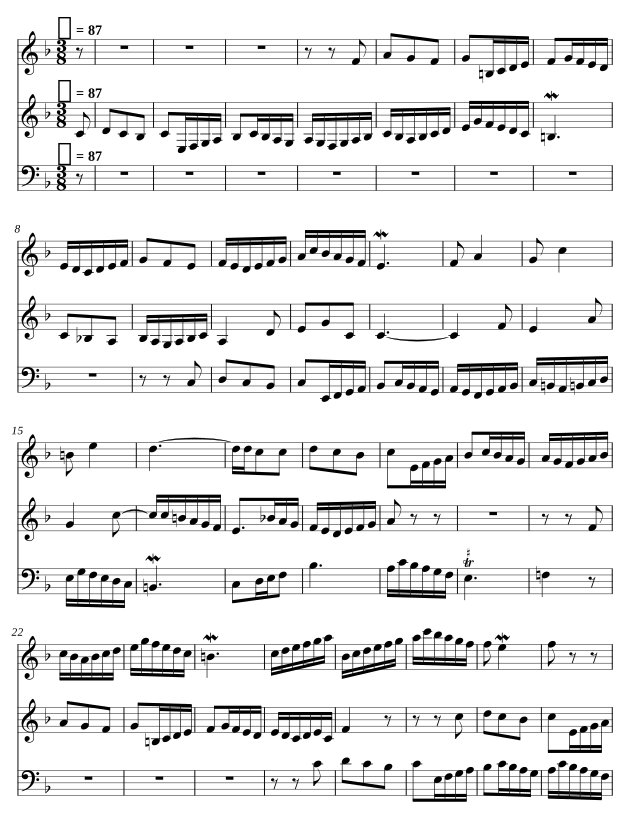
At bar 14 we see another stretto, closer than the preceding, and in which all the voices take part. It is not very common to find middle entries (as here) in the original keys of the tonic and dominant, though another instance will be seen in the third fugue…
▶ Fig. 2 nearby - Fugue 4 · Book I, No. 4 · BWV 849
…(bar 81). In the following episode (bars 84 to 88) CS 2 is again treated in stretto (tenor second treble, bass) at one bar's distance. At bar 89 we find the fourth consecutive entry of the subject in the tonic key, accompanied by CS 2, but not by CS 1. At bar…
▶ Fig. 12 nearby - Fugue 11 · Book I, No. 11 · BWV 856
…with a free bass. The appearances of the subject in this section are in stretto, and are very orderly. Bars 36 to 44 are in D minor, the stretto in the octave at two bars' distance, all the voices participating, beginning with the highest; bars 46 to 54 in G…
▶ Fig. 30 nearby - Fugue 24 · Book I, No. 24 · BWV 869
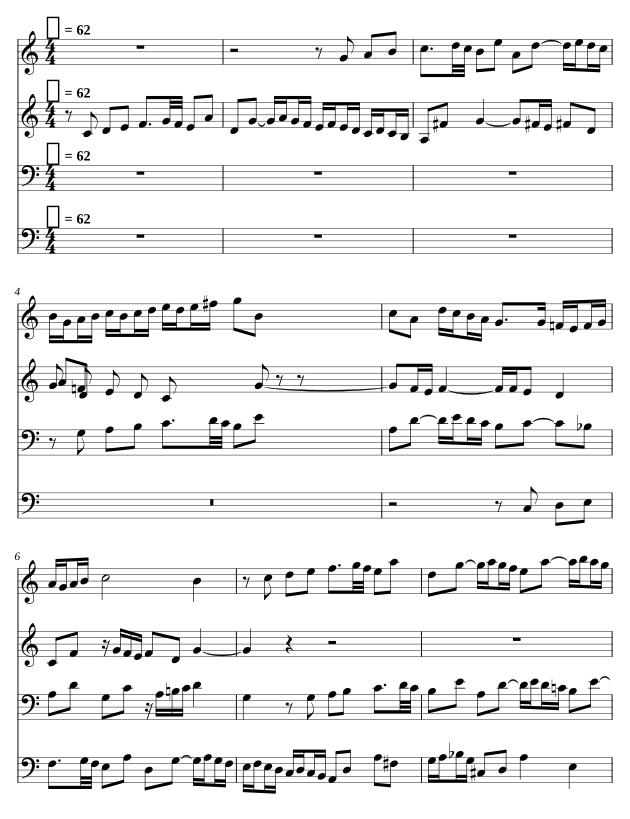
…is given to the tenor, in the new key of E minor, and at bar 34 the first stretto commences, only two voices participating. In bar 38 the subject, with its first note modified, appears in the bass, leading to a second and more complete stretto, which commences…
▶ Fig. 59 nearby - Fugue 29 · Book II, No. 5 · BWV 874
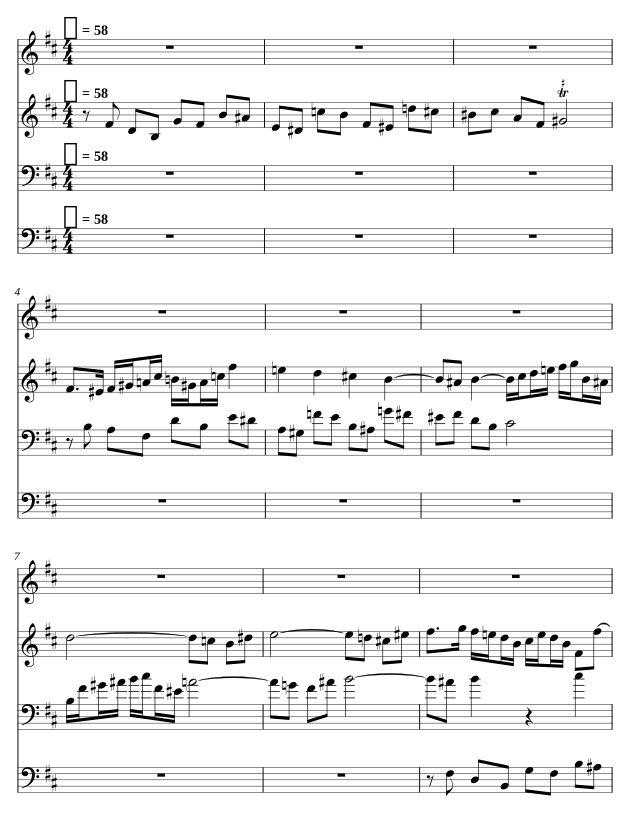
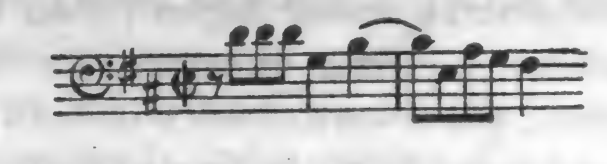
…respectively, and in bars 14 to 16 the same two voices constitute a two-part stretto in the original key. The second episode (bars 16 to 21) leads to a second stretto (bars 21 to 24), in B minor and F sharp minor, for tenor, treble and alto, at one bar's…
▶ Fig. 68 nearby
59 more passages in Analysis of J. S. Bach’s Forty-Eight Fugues →
 ▶ Complete score
 ▶ Stretto · two voices · Fugue 4
 ▶ Complete score
 ▶ Complete score
 ▶ Prout’s excerpt · Fugue 29
More in Imitation and fugue
Imitation · Canon · Invertible (double) counterpoint · Fugue · Subject, answer and countersubject · Episode